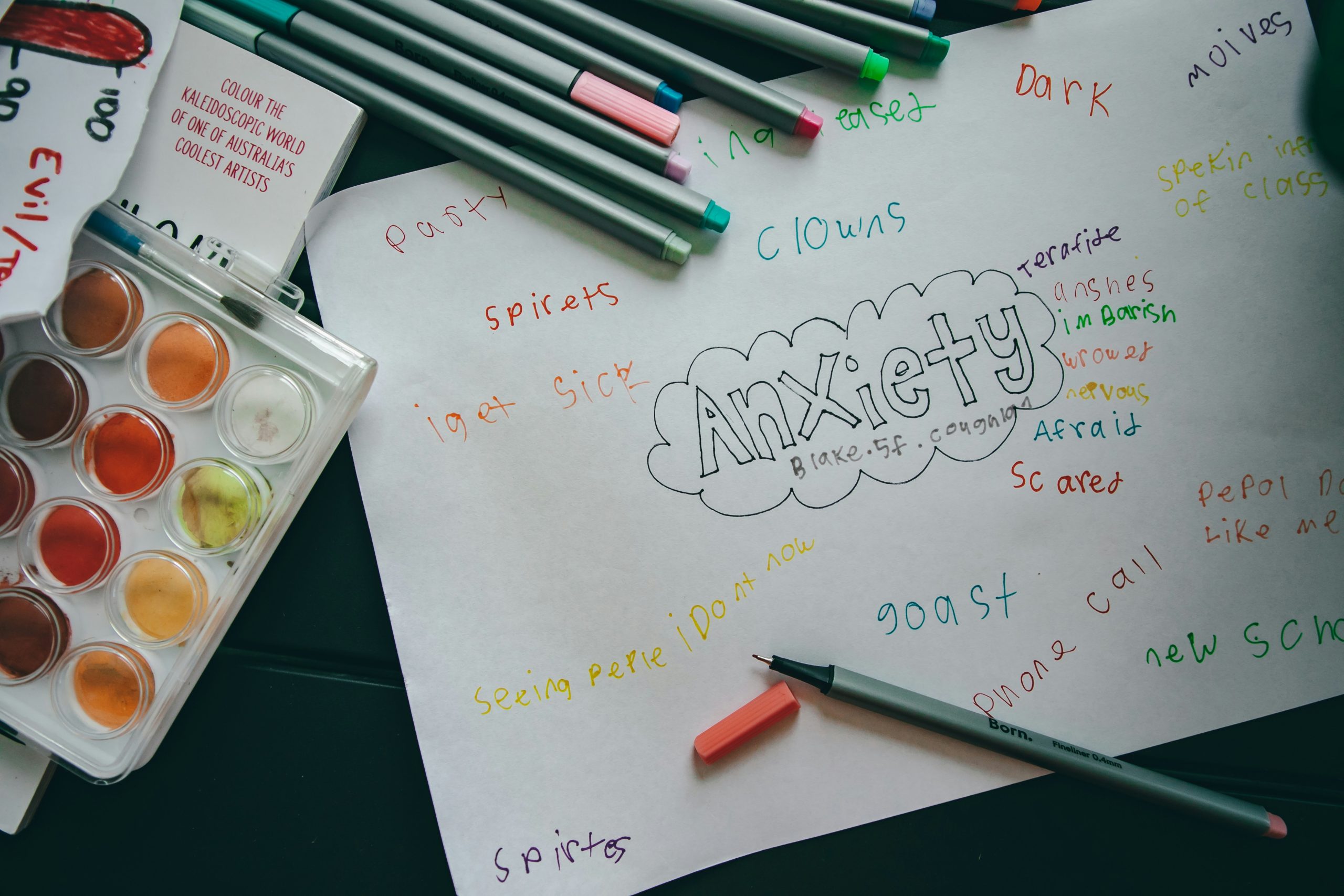
The Hidden Signs Your Mind and Body Need a Reset

The body is honest long before the mind is willing to admit anything is wrong. It sends up little flares, small signals that something has tipped out of balance, and most of us have become remarkably skilled at ignoring them. We push through. We tell ourselves it is just a busy stretch, just a rough week, just the way things are right now. And the signals, being patient, simply get louder until we can no longer pretend not to hear them.
I have learned, slowly and not always gracefully, that the quietest signs are usually the most important ones. By the time something is impossible to ignore, it has often been knocking for a long while. So today I want to gently name some of the hidden signs that your mind and body might be asking for a reset, the kind of signals that are easy to explain away but worth pausing for. Not to alarm you, but paying attention early is one of the kindest things you can do for yourself.
A gentle note before we begin: this is a personal and informational piece, not medical advice. The signs below can overlap with real medical and mental health conditions, so please treat them as an invitation to check in with yourself and, when needed, a licensed professional, not as a way to diagnose yourself. If you are struggling, you can call or text the 988 Suicide & Crisis Lifeline any time, or call SAMHSA’s free, confidential National Helpline at 1-800-662-HELP (4357), day or night.
The Tiredness That Sleep Doesn’t Touch
This is the one almost everyone recognizes once it is named. You sleep, sometimes even for a full night, and you wake up just as depleted as when you went to bed. It is not ordinary tiredness, the kind a good rest can fix. It lives deeper than that, in the muscles and behind the eyes, a fatigue that follows you from room to room no matter what you do. When exhaustion stops responding to sleep, it is rarely about sleep at all. It is usually a sign that something in your life is draining you faster than you can refill.
The instinct is to power through, but power is exactly what you have run out of. What this kind of tiredness actually needs is real, unapologetic rest, the sort we have been taught to feel guilty about. I keep coming back to this truth, that rest itself becomes a form of self-care, not a reward you earn only after collapse.
You Feel Wired, but You Can’t Actually Relax
Here is a strange and very modern sign: being exhausted and unable to switch off at the same time. You finally sit down, and your body hums with a restless, low-grade agitation. You reach for your phone before you have even decided to. You cannot quite let yourself be still, and stillness, when it comes, feels almost unbearable. This is what an overstimulated nervous system looks like, stuck in a gear it does not know how to leave.
So much of this is environmental. We are marinating in noise, notifications, and demands from the moment we wake, and a nervous system never gets the chance to come down. Part of the reset is reclaiming quiet on purpose, learning to make your home a haven from the noise rather than another place that pulls at you. There is no shame in needing that quiet. The shame would be in continuing to deny yourself it.
Sleep Gets Strange
When the mind and body are overloaded, sleep is often the first thing to fray. You lie awake with a racing mind, wake at 3 a.m, and cannot drift back. Or you sleep too much and still feel tired. The public health guidance that most adults need around seven or more hours says nothing about quality, and it is quality that tends to suffer first when we are stretched too thin.
Sleep is not a luxury the body can simply do without. It is when we repair, consolidate, and reset on a cellular level, which is why disrupted sleep is such a meaningful signal. Tending it gently, through ritual and environment rather than force, makes a real difference. If rest has become elusive for you, there is comfort and practical wisdom in these reflections on creating a path to deeper sleep.
The Body Starts Keeping Score
Stress does not stay politely in the mind. It moves into the body and sets up residence. Tension headaches. A jaw clenched so habitually you stop noticing it. Shoulders climbing toward your ears. A stomach that has become unpredictable, knotted, or simply off. These physical complaints are easy to treat as isolated annoyances, but very often they are the body translating emotional overload into a language we cannot ignore.
The gut, in particular, is deeply tied to how we feel, which is why chronic stress so often shows up there first. Caring for it gently is one small, concrete way to begin a reset, and there is real value in building daily habits that support gut health naturally. When your body keeps raising its hand, it is worth asking what it has been trying to tell you all along.
A Low Hum of Anxiety You’ve Started Calling Normal
One of the sneakiest signs is the anxiety that has been around so long it feels like personality. A constant background dread. A mind that catastrophizes before your feet hit the floor. A sense of bracing for something that never quite arrives. When this becomes your baseline, you stop noticing it as a problem and start treating it as simply who you are.
But a perpetually activated mind is not a character trait, it is a signal, and an important one. Part of resetting is learning to recognize it for what it is and to release the stories that keep it spinning. It can be genuinely freeing to let go of the myths about anxiety that keep us stuck, and to begin navigating life’s storms through mindfulness and self-care instead of white-knuckling through every day.
You’ve Gone a Little Numb
Sometimes the sign is not too much feeling but too little. The things that used to light you up feel flat. You move through your days competently, even successfully, and yet something essential has dimmed. Joy feels far away. You are not in crisis, exactly, just oddly absent from your own life, going through motions that no longer move you. This quiet numbness is one of the most overlooked signals of all, precisely because it does not look like anything is wrong.
Often this flatness is not laziness or ingratitude, it is depletion or a sign that you have outgrown a chapter without realizing it. If that resonates, you may find yourself in these reflections on not falling behind, but quietly opting out of a pace that was never sustainable. Naming the numbness is often the first step back toward feeling.
You’ve Quietly Abandoned the Basics
Watch for the small, telling ways you stop taking care of yourself. Meals become whatever is fastest. Water gets forgotten. Movement disappears. The little rituals that used to anchor your day fall away one by one, not through any dramatic decision but through a slow erosion you barely register. When the foundations start slipping, it is usually a sign your capacity is already stretched past its limit.
The good news is that these same small things are often where a reset begins. Returning to the humble, unglamorous practices we tend to neglect can be surprisingly powerful, which is the heart of these self-care habits you are probably ignoring and why they matter. You do not have to overhaul your whole life. You can start by drinking a glass of water and stepping outside.
So What Does a Reset Actually Look Like?
A reset is not a single grand gesture. It is permission you grant to yourself, to stop and tend. For some people, it is small and daily: a gentler morning, a walk, a return to the rituals that ground them. So much of recovery is really just the quiet practice of starting your day the wellness way, one ordinary morning at a time. For others, a reset means stepping further out of the noise entirely, even for an afternoon set aside as a solo self-care getaway.
Nature, in particular, has a way of recalibrating us that nothing indoors quite matches. Many people describe how nature-based experiences can reset their whole perspective on life, loosening something that thinking alone never could. The deeper point underneath all of it is simple: caring for yourself as a whole person, the kind of self-care that nurtures the mind, body, and spirit together, is what a true reset is made of.
When a Reset Isn’t Enough
Here is the honest, important part. Sometimes these signs are pointing to something a long weekend or a new morning routine cannot resolve on its own. Persistent exhaustion, anxiety, numbness, or loss of function can be symptoms of conditions that deserve real, professional attention, and there is no weakness in needing more than a reset. The strength is in being honest about it.
If the signals in your life have grown loud or lasting, a more structured and immersive experience can offer the space and support a hectic life simply cannot. For those who need a deeper reset, you can explore what a dedicated wellness retreat program involves and how immersive, environment-centered care works. And because the right fit is everything, it helps to remember that personalized care matters so much on any wellness journey. No two people need exactly the same medicine.
When you are weighing options, choose carefully. Look for providers licensed by their state and independently accredited by a respected nonprofit body such as The Joint Commission or CARF International, and favor evidence-based approaches grounded in real research. You can learn what sound, science-backed care looks like through the National Institute of Mental Health and the National Center for Complementary and Integrative Health, both part of the National Institutes of Health. The most reliable starting point for finding licensed help is the government’s own free, anonymous locator, FindTreatment.gov, run by SAMHSA.
You’re Not Alone in This
If several of these signs felt a little too familiar, please be tender with yourself rather than alarmed. Noticing is not failing. Noticing is the beginning of taking care. So much of what wears us down is the quiet belief that we have to carry it all by ourselves, and one of the most healing things we can do is let that belief go. There is real comfort in the role support groups play in emotional healing, and for many people, steady, structured help that fits around daily life through outpatient mental health services makes all the difference.
Your mind and body have been speaking to you this whole time. The reset begins the moment you decide to listen. You do not have to wait until you are in crisis to deserve care, and you do not have to figure it all out today. You only have to take the next small, gentle step. Wherever your path leads, I am quietly rooting for you. Be kind to yourself on the way there.
Help Available Right Now
- 988 Suicide & Crisis Lifeline — call or text 988, 24/7, free and confidential.
- SAMHSA National Helpline — 1-800-662-HELP (4357), free, confidential, 24/7/365 treatment referral and information, in English and Spanish.
- FindTreatment.gov — the government’s free, anonymous locator for licensed treatment facilities.
About the Author
Negin Rezaei is a behavioral health advocate and communications specialist focused on connecting individuals and families with trusted resources for healing. She works at the intersection of digital media and wellness, amplifying compassionate, evidence-based care options and ensuring that life-changing recovery information reaches those who need it most.
According to Negin, being in the right environment is an important part of the healing process. Her digital outreach and advocacy work is designed to help destigmatize mental health and point people in the right direction to get the help they deserve to start over.
Sources & Further Reading
- National Institute of Mental Health (NIMH), National Institutes of Health — nimh.nih.gov
- National Center for Complementary and Integrative Health (NCCIH), National Institutes of Health — nccih.nih.gov
- Substance Abuse and Mental Health Services Administration (SAMHSA) — National Helpline and FindTreatment.gov
- The Joint Commission — jointcommission.org
- CARF International — carf.org
Disclaimer: This article is for general informational and educational purposes only and does not constitute medical, psychological, or professional advice. Always seek the guidance of a qualified health provider with any questions you may have regarding a medical or mental health condition. If you are in crisis, call or text 988 immediately.