When the Magic Shifts: What I Learned About Switching from Tirzepatide to Semaglutide

There is something quietly vulnerable about changing your medication. You found something that was working, or at least working well enough, and then life intervened in the form of a cost increase, an insurance change, a shortage at the pharmacy, or a side effect that just would not let up. Suddenly you are back at the drawing board, Googling things at midnight, and wondering if starting over means you failed somehow. You did not. I promise you that.
I have been on my own GLP-1 journey for a while now, and the conversations I have had with others in this space have taught me that switching medications is far more common than anyone lets on. Around one in ten people switch from one GLP-1 medication to another within their first year of treatment, which means you are absolutely not alone in finding yourself at this crossroads. The wellness world can make it feel like any detour from the plan is a setback, but I genuinely believe the real magic is in learning to adapt. SkinnyRx
So today I want to sit with you in that uncertainty and walk through what actually happens when you switch from tirzepatide to semaglutide. Not the clinical version that feels like reading a textbook, but the grounded, real-life version that helps you go into the conversation with your doctor feeling informed, prepared, and maybe even a little less anxious about what comes next.
Why People Switch from Tirzepatide to Semaglutide
The reasons behind this particular switch are more varied than you might think, and none of them reflect poorly on you or your commitment to your health journey. The most common reasons people transition from tirzepatide to semaglutide include cost, insurance coverage changes (what happened to me), supply shortages, and side effects that persist over time. All of those are completely valid, and all of them are outside your control in ways that deserve acknowledgment rather than shame. NiceRx
Cost is a significant driver for many people. Tirzepatide, sold under brand names like Mounjaro and Zepbound, can carry a steep price tag without adequate insurance support. Semaglutide, the active ingredient in Ozempic and Wegovy, may come with better coverage depending on your plan, your diagnosis, and the specific year your benefits were negotiated. It is frustrating that access to medication so often comes down to paperwork and plan tiers, but here we are. Cost was a huge factor for me when making the decision to go on sema rather than tirz when my insurance stopped covering GLPs.
Side effects are another legitimate reason. Some people tolerate tirzepatide beautifully at the start and then find that over time, the GI symptoms become difficult to manage. Others simply reach a point where the medication stops feeling like a good fit, and their provider wants to explore a different approach. There are also cases where someone moves, changes providers, or gets new clinical guidance that points toward semaglutide as the better choice for their specific health picture.
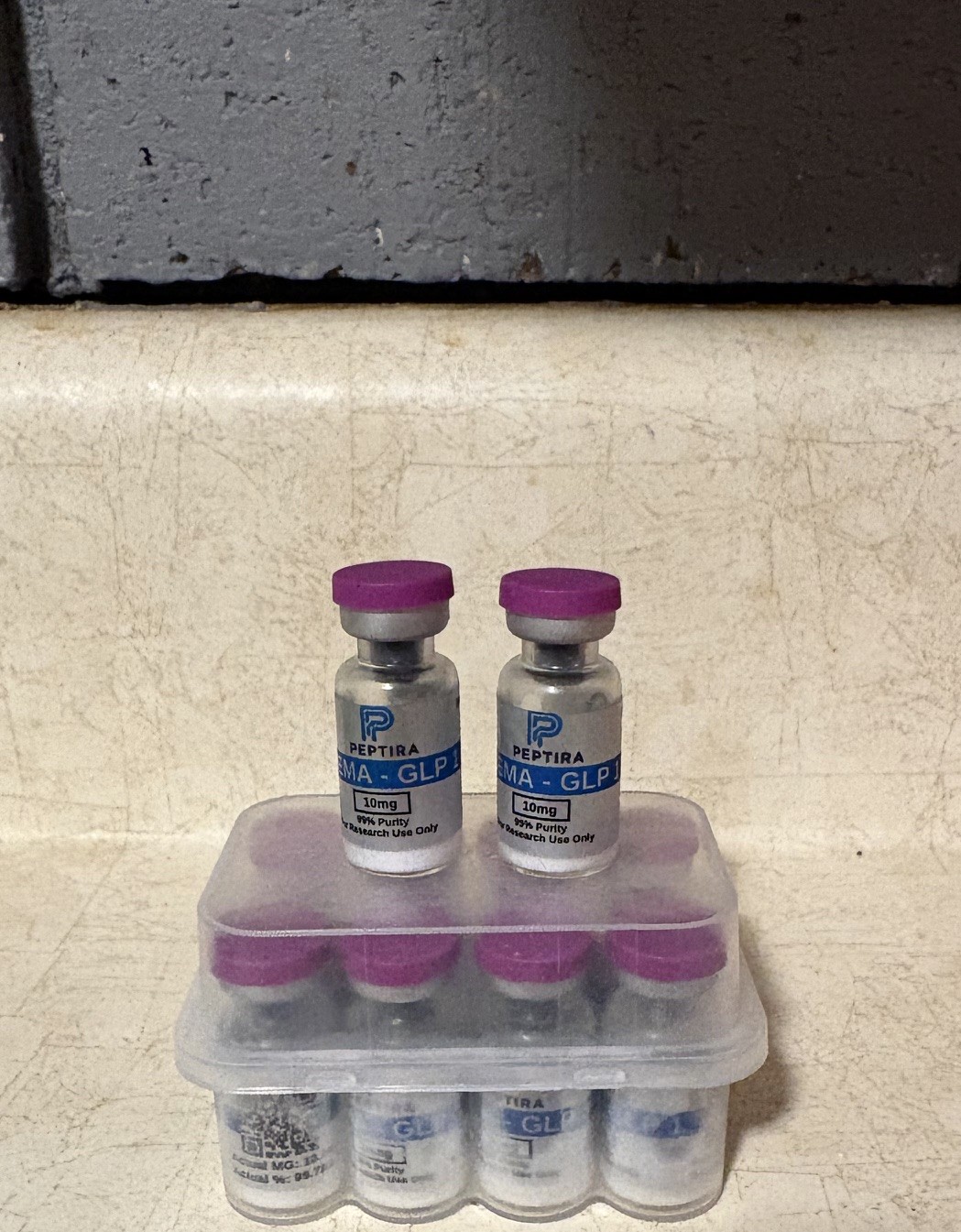
Understanding the Difference Between These Two Medications
Before you can fully understand what the transition will feel like, it helps to understand what you are transitioning between. Both tirzepatide and semaglutide belong to the group of medications known as GLP-1 receptor agonists, meaning they mimic a natural hormone your body produces called glucagon-like peptide-1, which regulates blood sugar by increasing insulin production, slowing digestion, and reducing appetite. Simmonsmdhealth
The meaningful difference between the two is that tirzepatide does something additional. Tirzepatide mimics two hormones, GLP-1 and GIP, while semaglutide mimics only GLP-1. That dual action is part of why tirzepatide has shown strong results in clinical studies, but it also means the two medications do not work identically in your body. They are not interchangeable on a milligram-for-milligram basis, and your dosing will need to be recalibrated completely when you make the switch. Simmonsmdhealth
Because semaglutide and tirzepatide have different mechanisms of action and dose formulations, a safe transition is never improvised and requires a thoughtful plan in partnership with your doctor. Understanding this distinction is not meant to intimidate you but to help you advocate for yourself in that conversation. You deserve a provider who takes the transition seriously and maps out the titration schedule with you rather than just handing you a new prescription and sending you on your way. NiceRx
How the Dosing Transition Actually Works
This is the part that surprises most people, and honestly it surprised me too when I first learned about it. There is no validated dose equivalence between tirzepatide and semaglutide due to their differing receptor profiles. What that means in plain language is that your doctor cannot simply convert your tirzepatide dose into an equivalent semaglutide dose the way you might convert cups to milliliters. The math does not exist. The Pharmaceutical Journal
The safest approach is to restart semaglutide at its lowest available dose, which is 0.25 mg weekly, and then titrate gradually per the standard schedule, regardless of what dose of tirzepatide you were previously taking. So if you were on tirzepatide 10 mg or even 15 mg, you will still begin semaglutide at the starting dose. That can feel discouraging if you interpret it as going backward, but what you are actually doing is letting your body acclimate to a medication that works through a slightly different mechanism. The Pharmaceutical Journal
The timing of the switch also matters. The transition is typically straightforward: finish your last dose of tirzepatide, wait about a week, and then start semaglutide at a low dose. The waiting period allows the tirzepatide to begin clearing your system and reduces the risk of overlapping effects. Using both medications at the same time could increase side effects without providing additional benefits, and in some cases could be dangerous. Your provider will help you map out the exact timing based on your specific situation. Fay NutritionFay Nutrition
What to Expect During the Transition Period
Let me be honest with you about this part: the transition period can involve some adjustment, and it is better to know that going in than to be caught off guard. When transitioning GLP-1 medications, you can expect to experience some side effects and a possible slowdown in weight loss as your body adjusts to the new medication. This is not a sign that semaglutide is not working. It is a sign that your body is doing exactly what bodies do, which is adapting. SkinnyRx
Temporary side effects such as nausea, vomiting, diarrhea, and constipation can occur during the transition phase, but they typically subside with time. You may feel like you are back at the beginning of your GLP-1 journey in terms of how your stomach responds, and in some ways you are. The good news is that you have been here before and you know how to get through it. Gentle foods, consistent hydration, and a little extra grace toward yourself go a long way in this window. NiceRx
Appetite may shift during this period as well, and that can feel unsettling. Focusing on nutrient-dense meals, consistent protein, and adequate hydration helps manage appetite shifts and digestive changes during the transition. It is also a good time to check in with your provider more frequently than usual, even if just through a message portal, so they can track how you are responding and adjust the titration schedule if needed. You are not being high-maintenance by staying in close communication. You are being a good steward of your own health. Fay Nutrition
Staying Grounded in Your Wellness Journey Through the Change
A medication switch can do strange things to your mindset if you let it. There is a version of this experience where you spiral into comparison, doubt every decision that led you here, and start measuring your worth against the number on the scale. I want to gently encourage you to choose a different path through this.
Your wellness journey is not a straight line, and it was never meant to be. The fact that you are asking thoughtful questions about how to transition safely, rather than either giving up or making impulsive changes, says something real about your commitment to yourself. Switching medications is a clinical decision made with your doctor, not a referendum on your willpower or your worth.
Take note of what is working beyond the scale during this transition. How is your energy? How are you sleeping? How do your clothes fit? How do you feel in your body on an ordinary Tuesday? These markers of progress are real even when the numbers are in a slow phase. The slow-living philosophy that anchors everything I share here applies to wellness too. You are allowed to take this one week at a time, one dose at a time, one conversation with your doctor at a time.
Finding Your Footing After the Switch
Once you are a few months into semaglutide and the transition side effects have settled, most people find a new rhythm with the medication. Your healthcare provider will increase your dosage every four weeks until you reach an effective maintenance dose, with the maximum dosage of Wegovy sitting at 2.4 mg weekly. The titration process takes time, but it is designed to work with your body rather than force it into rapid change. SkinnyRx
This post-transition period is actually a beautiful opportunity to reassess your habits and your relationship with your body. When you are no longer in the adjustment phase and the medication is doing its steady work in the background, you can return your attention to the practices that support your overall wellbeing. Sleep, movement that feels good, meals that nourish rather than punish, time outside, and the kind of slow intentional living that makes everything else more sustainable.
If you find that semaglutide is not delivering the results you hoped for after a full titration period, that is also a conversation worth having with your provider. The decision to switch or adjust should always be made in consultation with your healthcare provider, who can assess your medical history, your current response to the medication, and the potential benefits of any adjustments. You are not locked into anything. You are always in the middle of a conversation with your own body, and that conversation gets to evolve. Helimeds
You Do Not Have to Navigate This Alone
If you are reading this while sitting in the middle of a medication change, or trying to decide whether to bring the idea up with your doctor, I hope this gave you something useful to hold onto. The practical details matter, and so does the reminder that you are doing something genuinely brave by staying engaged with your health even when it gets complicated.
Grab yourself something warm and cozy and come join me for coffee over in the archives. There is plenty more here on GLP-1 wellness, slow living, and building a life that actually feels good to live. You belong in this community exactly as you are, wherever you are in your journey.
If you are switching medication, like me, we are on this journey together.
Like what you read? Drop me a line – let’s chat over virtual coffee.
~ Chrystal
Main Photo Source: Image by freepik
Peptide Photo Source: Chrystal Mahan