The Connection Between Nature, Wellness Retreats, and Emotional Healing
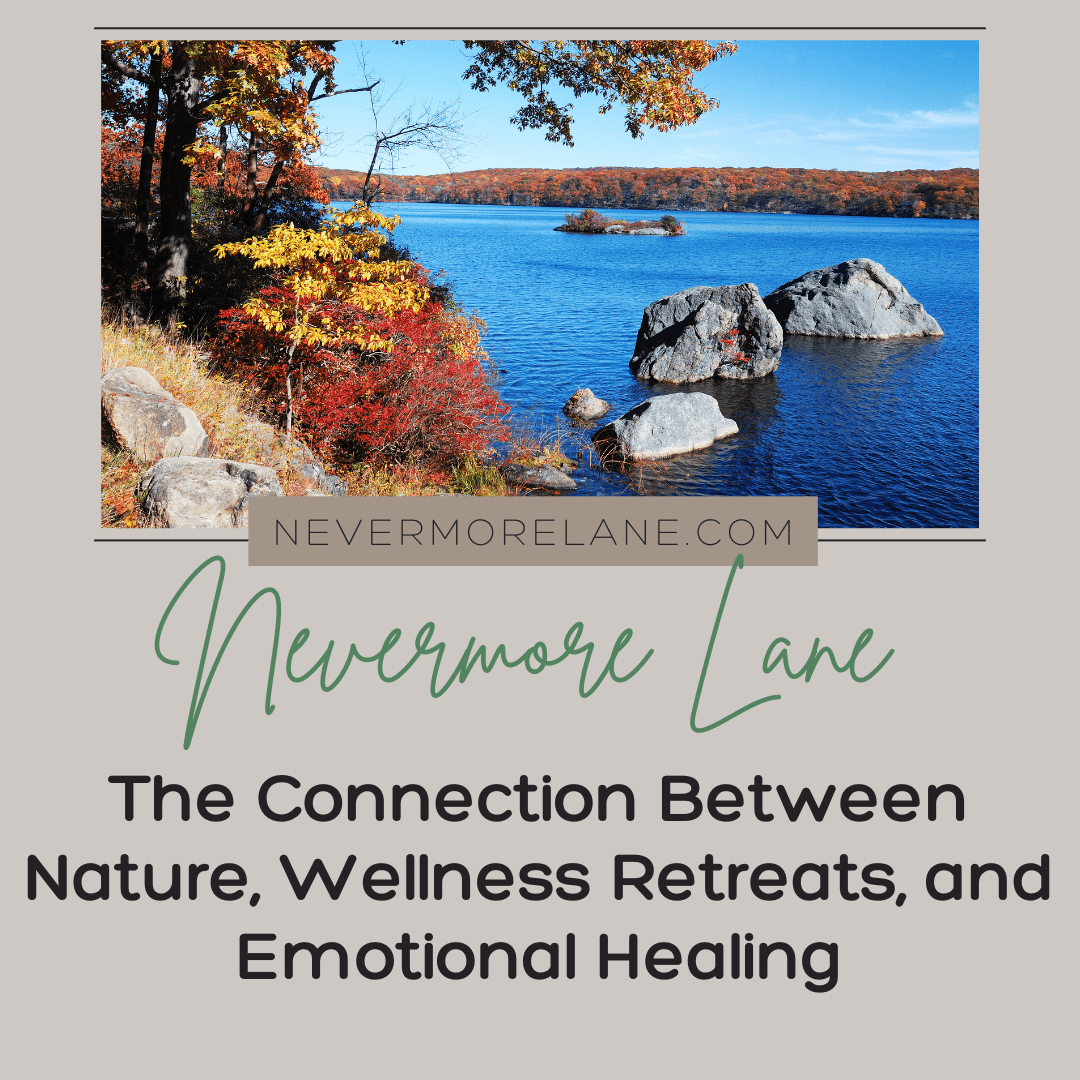
Have you ever noticed how your whole body changes the moment you step into the trees? The shoulders drop. The breath goes deeper without being told to. Some tight, vigilant thing behind the eyes finally loosens its grip. I notice it every time, that quiet shift, as though the body recognizes something the mind keeps forgetting. We were never meant to live entirely indoors, entirely online, entirely braced against the next demand. And when life has worn us down to the bone, it is often not a strategy or a five-step plan that begins to mend us. It is a patch of sky, a moving river, and the smell of soil after rain.
This is the quiet thread that runs through nature, wellness retreats, and emotional healing, and it is the thread I want to follow today. Not in a way that promises a meadow will fix everything, because it will not, but in a way that honors how much the natural world actually has to offer a tired heart and how the right setting can hold us while we do the deeper work of putting ourselves back together.
A gentle note before we begin: this is a personal and informational piece, not medical advice. If you or someone you love is struggling with a mental health or substance misuse condition, please reach out to a licensed professional. You can call or text the 988 Suicide & Crisis Lifeline any time or call SAMHSA’s free, confidential National Helpline at 1-800-662-HELP (4357), day or night.
Why Nature Reaches the Places Words Cannot
There is real science beneath the feeling, even if the feeling came first. A growing body of research connects time spent in natural settings with lower stress, calmer nervous systems, improved mood, and a softening of the anxious, looping thoughts that keep so many of us up at night. You do not need a wilderness expedition to access it, either. A walk through a green park, an hour by water, even tending something living on a windowsill seems to do quiet, measurable good. If you want to ground yourself in the evidence behind mind-body practices, the National Center for Complementary and Integrative Health, part of the National Institutes of Health, is a trustworthy, noncommercial place to start.
What moves me most about this is how ordinary the medicine is. You do not have to be good at it. You do not have to perform or produce anything. Some of the most healing acts are the humblest, which is the lovely truth behind the science of why gardening fights depression. There is something about putting your hands in the earth, about caring for something that grows on its own schedule rather than yours, that gently reorders a person.
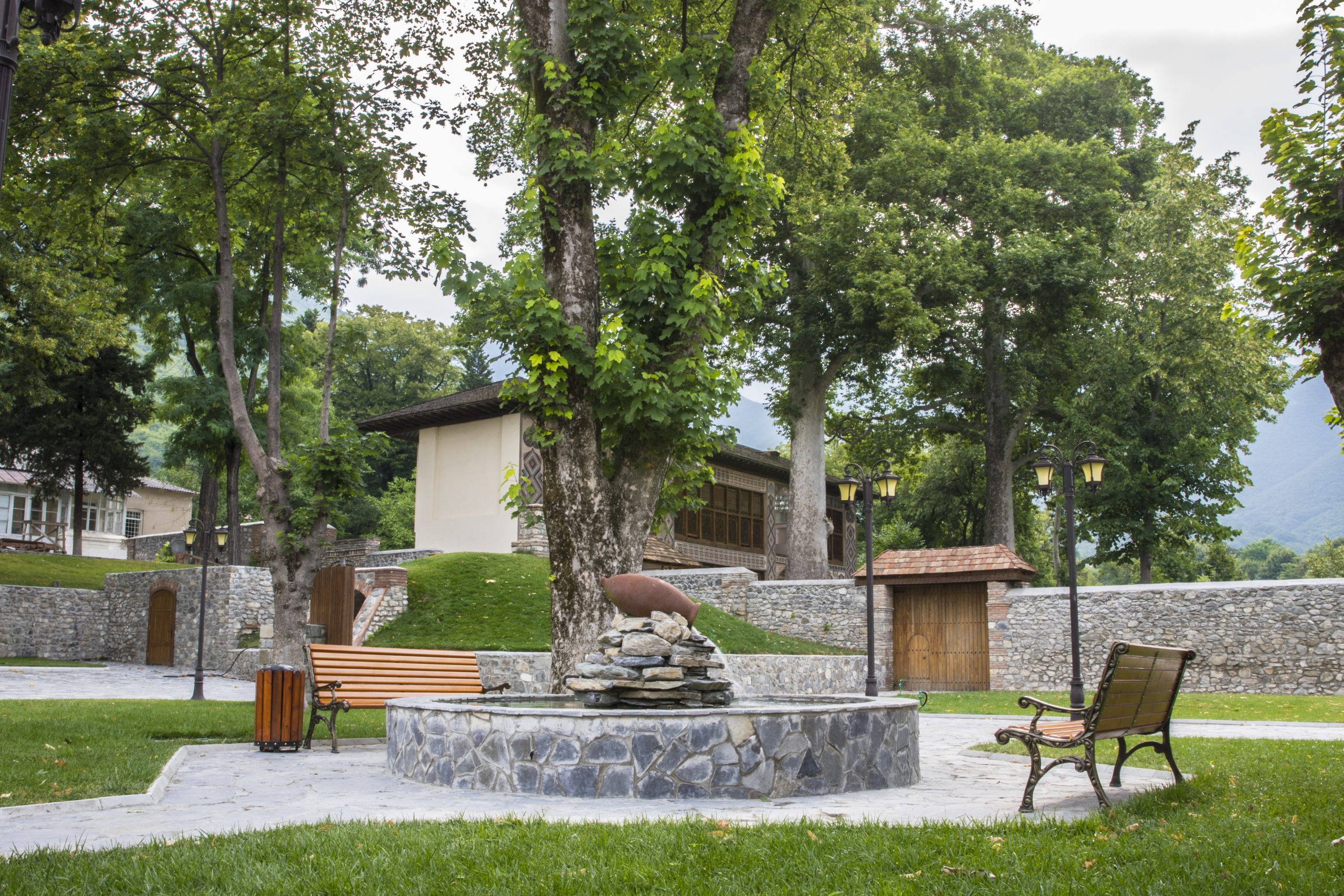
And then there are the bigger landscapes, the ones that make you feel small in the best possible way. Mountains, coastlines, old forests that were standing long before your troubles arrived and will be standing long after. Stepping into places like that can genuinely shift something, which is why so many people describe how nature-based adventures can reset their whole perspective on life. Perspective, it turns out, is hard to find when you never leave the room where you lost it.
What a Wellness Retreat Offers That Daily Life Cannot
We do not talk enough about how hard it is to heal in the middle of the life that made us unwell. The same kitchen, the same commute, the same phone humming with the same obligations. Home is where the old patterns live, and there is only so much transformation a person can manage while standing knee-deep in their own routine. This is the real gift of a retreat. Not luxury, not escape, but a deliberate change of setting that interrupts the story you have been telling yourself for far too long.
A good retreat, especially one rooted in the natural world, gives you permission to slow all the way down. To be still without apologizing for it. That stillness is not idleness, even though our culture often confuses the two. Learning to rest is a skill, and a profound one, which is why I keep returning to the idea that rest itself becomes a form of self-care rather than something we are only allowed once the hard part is finished.
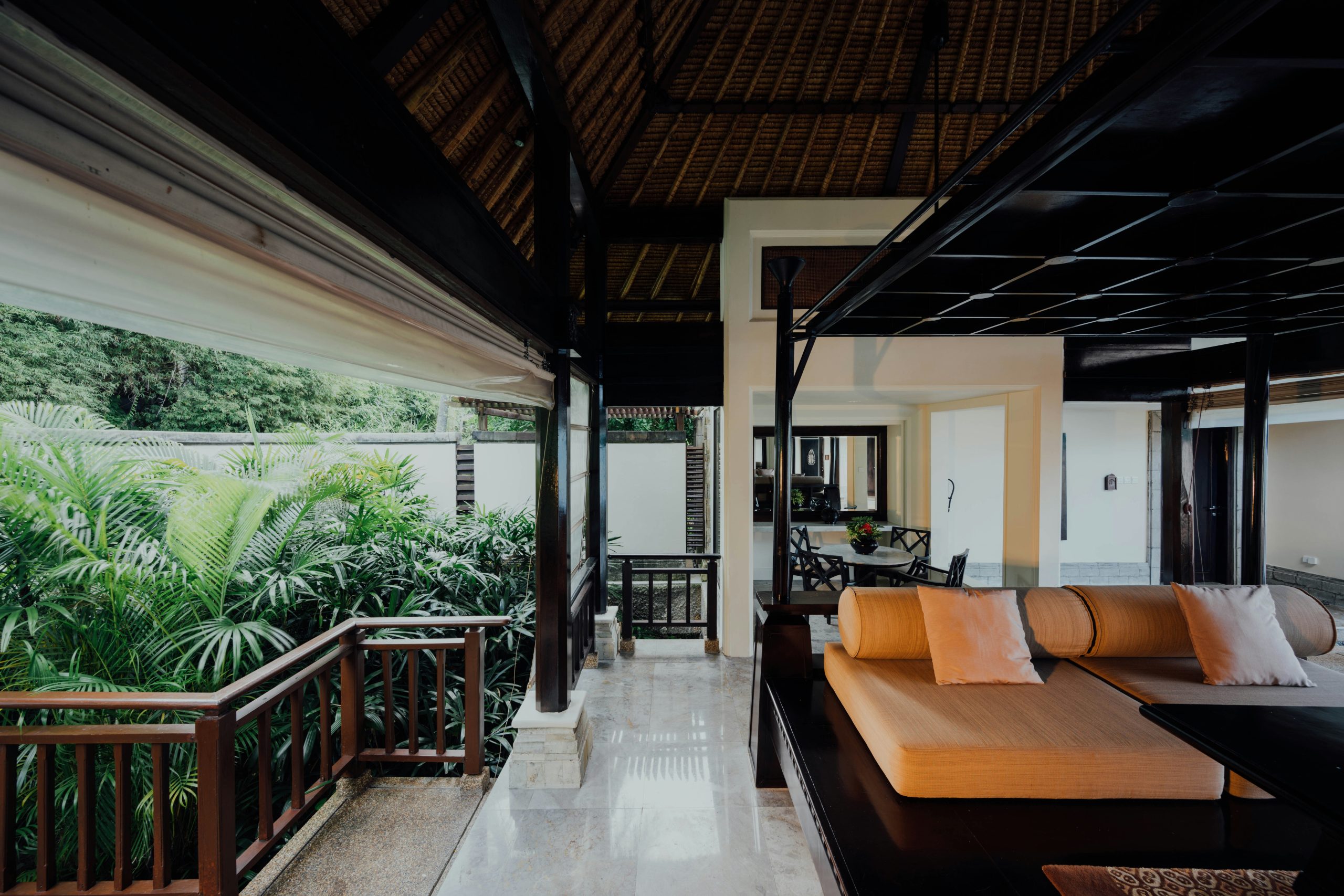
There is also something almost sacred about a place set apart for tending the soul. As a reader of this little corner of the internet, you already understand the impulse toward creating sanctuaries of earth magic and tranquility in daily life. A nature-based retreat is that impulse made larger, a whole environment designed to hold you gently while you learn to navigate life’s storms through mindfulness and self-care.
Where Nature Meets Real Recovery
For some people, a weekend of forest bathing is exactly enough. For others, the work runs deeper, and what they need is genuine clinical care wrapped in a setting that still lets the natural world do its quiet work. This is where the most thoughtful residential programs come in, the ones that understand a person is more than a diagnosis and that healing happens to the whole human being, body, mind, and spirit together.
The landscape around Nashville is a good example of this blend, where rolling Tennessee hills, rivers, and open green space sit close to structured, professional support. Residential programs in places like this can pair evidence-based treatment with the restorative pull of the outdoors, and if you want to see what that looks like in practice, you can explore a residential treatment program in Nashville as one example of care designed around the whole person.
What matters is the fit. The right environment is not a luxury detail bolted onto recovery; it is part of how recovery works, and no two people need exactly the same thing. That is the heart of why personalized care matters so much on any wellness journey. A setting that feels safe and beautiful to one person may feel wrong to another, and the goal is always to find the place that lets you exhale.
The Emotional Layer Underneath It All
Here is something the brochures rarely say out loud: nature does not numb our feelings but makes room for them. Out under an open sky, away from the noise and the screens and the performance of being fine, grief and fear and long-buried tenderness tend to surface. That can be uncomfortable. It is also exactly the point. Emotional healing is not the absence of hard feelings but the slow, brave work of letting them move through us instead of around us.
This is where care of the self has to be genuinely holistic, attending to all of you at once, the kind of self-care that nurtures the mind, body, and spirit rather than treating them as separate problems. And it is where connection becomes essential, because so much of what wounds us is the belief that we are carrying it alone. One of the most healing discoveries a person can make is that they never were. That is the quiet relief found in the role support groups play in emotional healing, the comfort of a room, real or virtual, where you do not have to explain yourself to be understood.
Choosing Well, With Your Eyes Open
This is the part I want you to read slowly, because hope and caution have to hold hands here. The wellness and recovery world is full of genuinely wonderful, ethical providers doing life-changing work. It also contains some that are not, and the more beautiful and popular a healing destination becomes, the more it attracts both. Where you or a loved one goes is one of the most important decisions a family can make, and it deserves far more scrutiny than booking a getaway.
A few things are worth checking before you commit anywhere. Ask whether a facility is licensed by its state and whether it holds independent accreditation from a respected nonprofit body such as The Joint Commission or CARF International. Ask whether their methods are evidence-based, meaning supported by real research rather than lovely marketing language. You can learn what sound, science-backed mental health care looks like through the National Institute of Mental Health and, for substance misuse specifically, the National Institute on Drug Abuse, both part of the National Institutes of Health.
The most reliable starting point I can offer is the government’s own free, anonymous treatment locator, FindTreatment.gov, run by SAMHSA. It lets you search licensed facilities with no sales pitch attached. Use it, and cross-reference whatever any program tells you against these independent sources. Be a little wary of anything that sounds too perfect. Real healing is never effortless, even when it happens somewhere breathtaking, and any program promising a guaranteed cure or a quick fix is telling you something important about itself.
Bringing the Calm Back Home
A retreat is a beginning, not an ending, and that is the piece people underestimate most. However restorative those days among the trees may be, the life you return to is where healing is truly sustained or slowly lost. The strongest experiences plan for this from the start, helping people line up ongoing support and connection before they ever pack to leave.
For many, that means continued, structured care that fits around ordinary life, which is exactly what outpatient mental health services are designed to provide. And the deeper habit, the deliberate choosing of nature and rest, is something you can keep practicing in small, faithful doses long after you come home. It might look like a standing morning walk, or the simple ritual of starting your day the wellness way, or even setting aside a single afternoon for a solo self-care getaway somewhere green and close to home. The point was never the distance traveled. It was the permission to be tended.
A Gentle Word Before You Go
If you have read this far, something in you is probably already reaching toward the trees, toward rest, toward change, for yourself or for someone you love. Hold onto that. The fact that healing feels far away does not mean it is out of reach. It only means you have not arrived yet, and not arriving yet is a very different thing from never getting there.
The natural world will keep its standing invitation, patient as ever, ready whenever you are. But you do not have to travel anywhere at all to take the first step. You can take it from right where you sit, today, with a single phone call or a few quiet minutes outside with your face turned up to the light. Help is real, it is often free, and you are far more deserving of it than the hardest voice in your head will admit. Wherever your path leads, I am quietly rooting for you. Be gentle with yourself on the way there.
Help Available Right Now
- 988 Suicide & Crisis Lifeline — call or text 988, 24/7, free and confidential.
- SAMHSA National Helpline — 1-800-662-HELP (4357), free, confidential, 24/7/365 treatment referral and information, in English and Spanish.
- FindTreatment.gov — the government’s free, anonymous locator for licensed treatment facilities.
About the Author
Negin Rezaei is a behavioral health advocate and communications specialist focused on connecting individuals and families with trusted resources for healing. She works at the intersection of digital media and wellness, amplifying compassionate, evidence-based care options and ensuring that life-changing recovery information reaches those who need it most.
According to Negin, being in the right environment is an important part of the healing process. Her digital outreach and advocacy work is designed to help destigmatize mental health and point people in the right direction to get the help they deserve to start over.
Sources & Further Reading
- National Center for Complementary and Integrative Health (NCCIH), National Institutes of Health — nccih.nih.gov
- National Institute of Mental Health (NIMH), National Institutes of Health — nimh.nih.gov
- National Institute on Drug Abuse (NIDA), National Institutes of Health — nida.nih.gov
- Substance Abuse and Mental Health Services Administration (SAMHSA) — National Helpline and FindTreatment.gov
- The Joint Commission — jointcommission.org
- CARF International — carf.org
Disclaimer: This article is for general informational and educational purposes only and does not constitute medical, psychological, or professional advice. Always seek the guidance of a qualified health provider with any questions you may have regarding a medical or mental health condition. If you are in crisis, call or text 988 immediately.