Rediscovering the Simple Joys: Embracing Slow Living
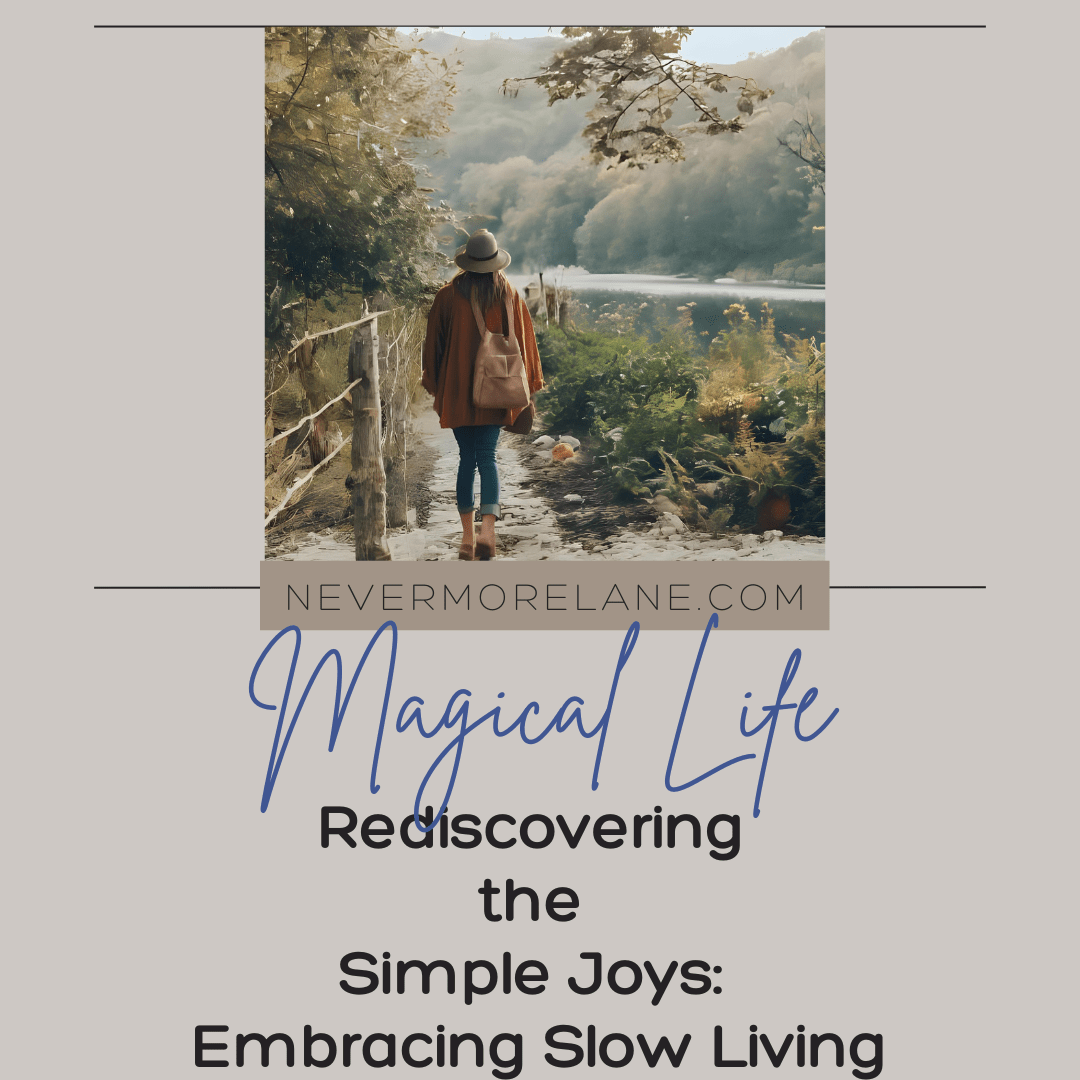
The morning alarm screams at 6 AM, and the race begins. Coffee gulped while checking emails, breakfast eaten standing up, rushing through traffic while mentally rehearsing the day’s endless tasks. Sound familiar? In our hyperconnected world where productivity has become a religion and busyness a badge of honor, we’ve forgotten something precious: the art of simply being present.
Last Tuesday, I found myself standing in my kitchen, holding a warm cup of tea, watching steam curl upward in delicate spirals. For the first time in weeks, I wasn’t multitasking, wasn’t planning the next move, wasn’t anywhere but right there in that moment. The simple act of truly experiencing my morning tea felt revolutionary. It was then I realized how far I’d drifted from the gentle rhythms that once brought me peace and how desperately I needed to find my way back to intentional living.
If you’re feeling overwhelmed by the constant demands of modern life, yearning for deeper connection with yourself and your surroundings, then slow living might be the antidote you’ve been searching for. This isn’t about moving to a remote cabin or abandoning all technology; it’s about making conscious choices to prioritize what truly matters and finding extraordinary beauty in ordinary moments. Join me as we explore how embracing a slower pace can transform not just your daily routine, but your entire relationship with life itself.
What Slow Living Really Means in Today’s World
Slow living isn’t about doing everything at a snail’s pace or abandoning all ambition. Rather, it’s a mindful approach to life that prioritizes quality over quantity, presence over productivity, and intentionality over impulse. At its core, slow living means making deliberate choices about how we spend our time and energy, ensuring that our actions align with our values rather than external pressures.
The movement emerged as a response to our increasingly fast-paced society, where instant gratification has become the norm and we’re constantly bombarded with messages telling us to do more, buy more, and be more. Slow living challenges this narrative by suggesting that fulfillment comes not from accumulating experiences or achievements, but from fully engaging with the ones we choose. It’s about creating space between stimulus and response, allowing ourselves to breathe and reflect before reacting.
In practical terms, slow living might mean choosing to cook a meal from scratch rather than ordering takeout, taking a walk without your phone, or having a conversation without checking the time. It’s about recognizing that our attention is precious and finite, and being selective about where we direct it. This doesn’t mean becoming hermits or rejecting all aspects of modern life; instead, it’s about finding balance and making choices that nourish our souls rather than drain our energy.
Creating Sacred Spaces for Mindful Moments
One of the most powerful ways to embrace slow living is by creating physical and mental spaces that invite pause and reflection. These sacred spaces don’t need to be elaborate or expensive; they simply need to feel intentional and peaceful. Perhaps it’s a cozy reading nook by the window where morning light filters through sheer curtains, or a small corner of your garden where you can sit quietly with your thoughts.
The key to creating these spaces is removing distractions and adding elements that engage your senses in gentle, positive ways. Soft textures, natural light, pleasant scents, and meaningful objects can all contribute to an atmosphere that encourages slowing down. Consider what makes you feel most at peace: is it the sound of wind chimes, the feeling of soft wool under your fingertips, or the sight of fresh flowers? Incorporate these elements thoughtfully into your designated slow spaces.
Beyond physical spaces, it’s equally important to create mental and temporal spaces for mindfulness. This might mean establishing a morning routine that begins with five minutes of deep breathing, or setting aside time each evening to reflect on the day without the distraction of screens. These moments of intentional pause become anchors in our day, reminding us to return to our center when life feels chaotic. The beauty of these sacred spaces is that they train our minds to find peace even in busy environments, carrying that sense of calm with us wherever we go.
The Art of Single-Tasking and Deep Focus
In our multitasking culture, the ability to focus on one thing at a time has become almost radical. Yet single-tasking is one of the most transformative practices of slow living, allowing us to experience the depth and richness that comes from full engagement. When we give our complete attention to one activity, whether it’s washing dishes, writing a letter, or having a conversation, we often discover layers of experience we previously missed.
The practice of single-tasking begins with recognizing how often we split our attention. Notice how frequently you check your phone while watching television, or think about work while spending time with family. This divided attention keeps us skimming along the surface of experience, never diving deep enough to find the treasure that lies beneath. By consciously choosing to do one thing at a time, we reclaim our capacity for depth and presence.
Start small with this practice. Choose one daily activity and commit to doing it with your full attention. Perhaps it’s your morning coffee ritual, where you focus entirely on the aroma, the warmth of the cup in your hands, and the taste without any other distractions. Or maybe it’s a conversation with a loved one where you put away all devices and truly listen, not just to their words but to the emotions and meanings behind them. As you strengthen this muscle of attention, you’ll find that single-tasking becomes not just a practice but a gateway to deeper satisfaction and connection in all areas of life.
Cultivating Gratitude Through Daily Rituals
Gratitude is the heartbeat of slow living, transforming ordinary moments into extraordinary experiences. When we slow down enough to notice what we already have, we often discover an abundance that was hidden by our hurried pace. Developing daily gratitude rituals helps us maintain this awareness and creates a foundation of contentment that no external achievement can provide.
Morning gratitude practices can set a positive tone for the entire day. This might involve writing three things you’re grateful for in a journal, taking a moment to appreciate the comfort of your bed before getting up, or simply acknowledging the gift of another day. The key is consistency and sincerity; even on difficult days, there are small graces to be found. Perhaps it’s the kindness of a stranger, the taste of your favorite tea, or the fact that you have a roof over your head.
Evening gratitude rituals offer a chance to reflect on the day’s gifts, no matter how challenging it may have been. Consider creating a family tradition of sharing one highlight from each person’s day, or keeping a gratitude jar where you drop in notes about moments that brought you joy. These practices don’t require significant time investment, but they create a powerful shift in perspective, training our minds to notice abundance rather than scarcity. Over time, this grateful awareness becomes a natural part of how we see the world, making every day richer and more meaningful.
Building Genuine Connections in a Digital Age
Slow living places tremendous value on authentic relationships and meaningful connections. In our digital age, where we can communicate instantly with people around the world, it’s paradoxical that many of us feel more isolated than ever. The quantity of our connections has increased exponentially, but the quality has often suffered. Slow living invites us to prioritize depth over breadth in our relationships.
This means choosing to have fewer but more meaningful conversations, investing time in understanding others deeply rather than maintaining surface-level contact with many. It might involve putting away phones during meals, scheduling regular one-on-one time with important people in your life, or choosing to write handwritten letters instead of quick text messages. These practices may seem old-fashioned, but they create space for the kind of vulnerability and presence that builds lasting bonds.
Building genuine connections also means connecting more deeply with ourselves. Slow living encourages self-reflection and self-awareness, understanding that we can only give to others what we have cultivated within ourselves. This might involve regular journaling, meditation, or simply spending time alone without distractions. When we know ourselves well and are comfortable with our own company, we bring more authenticity and presence to our relationships with others. These deeper connections become sources of strength and joy that sustain us through life’s challenges and multiply our celebrations.
Embracing Your Journey Toward Intentional Living
The path to slow living isn’t about perfection or complete transformation overnight. It’s about making small, conscious choices that gradually shift your relationship with time, attention, and what you value most. Some days you’ll feel rushed and scattered, and that’s perfectly human. The invitation is simply to notice these moments without judgment and gently return to your intention to live more mindfully.
Remember that slow living looks different for everyone. A busy parent might find their version in savoring bedtime stories with children, while a working professional might discover it in a walking commute or lunch break spent in nature. The key is finding practices that resonate with your life circumstances and values, then protecting and nurturing them like tender seedlings. Start with one small change and let it take root before adding others.
As you continue this journey, you’ll likely discover that slowing down doesn’t mean accomplishing less; it often means accomplishing what matters most with greater joy and presence. The simple pleasures that once seemed insignificant, the sound of rain on the roof, the laughter of loved ones, the satisfaction of completing a task with care, begin to shine with new brightness. In a world that constantly demands more, choosing to embrace enough becomes its own form of rebellion and, ultimately, its own reward.
Ready to discover more ways to embrace the magic in everyday moments? Explore our other posts about creating meaningful rituals, finding peace in nature, and designing a home that nurtures your soul. And if you’re ever in the neighborhood, I’d love to sit down for a slow cup of coffee together and hear about your own journey toward intentional living. After all, the best conversations happen when we’re not in a hurry to be anywhere else.
Like what you read? Drop me a line – let’s chat over virtual coffee.
~ Chrystal