How Internet Technology Is Changing the Way We Research Wellness, Lifestyle and Personal Choices

Researching everyday lifestyle choices once meant gathering advice from family, friends, books, magazines, specialists and trusted local sources. Your options were familiar, with information often shaped by the people and publications already within your circle.
Today, a single question can open a much broader digital journey through search engines, specialist websites, social platforms, podcasts and online communities. You might look up a new wellness routine in the morning, compare recipes later, then investigate a beauty treatment, travel destination or personal finance decision that evening.
Internet technology has made this process faster and more accessible, giving you the ability to explore subjects according to your own interests and circumstances. You can move between broad information and highly specific research within minutes, creating a personal process for understanding the choices that affect your everyday life.
Searching for Answers That Feel Personal
Your searches can become remarkably specific once a general interest turns into a personal question. A search for better sleep, for example, can lead you toward exercise, nutrition, relaxation techniques, skincare, daily routines and broader approaches to wellbeing.
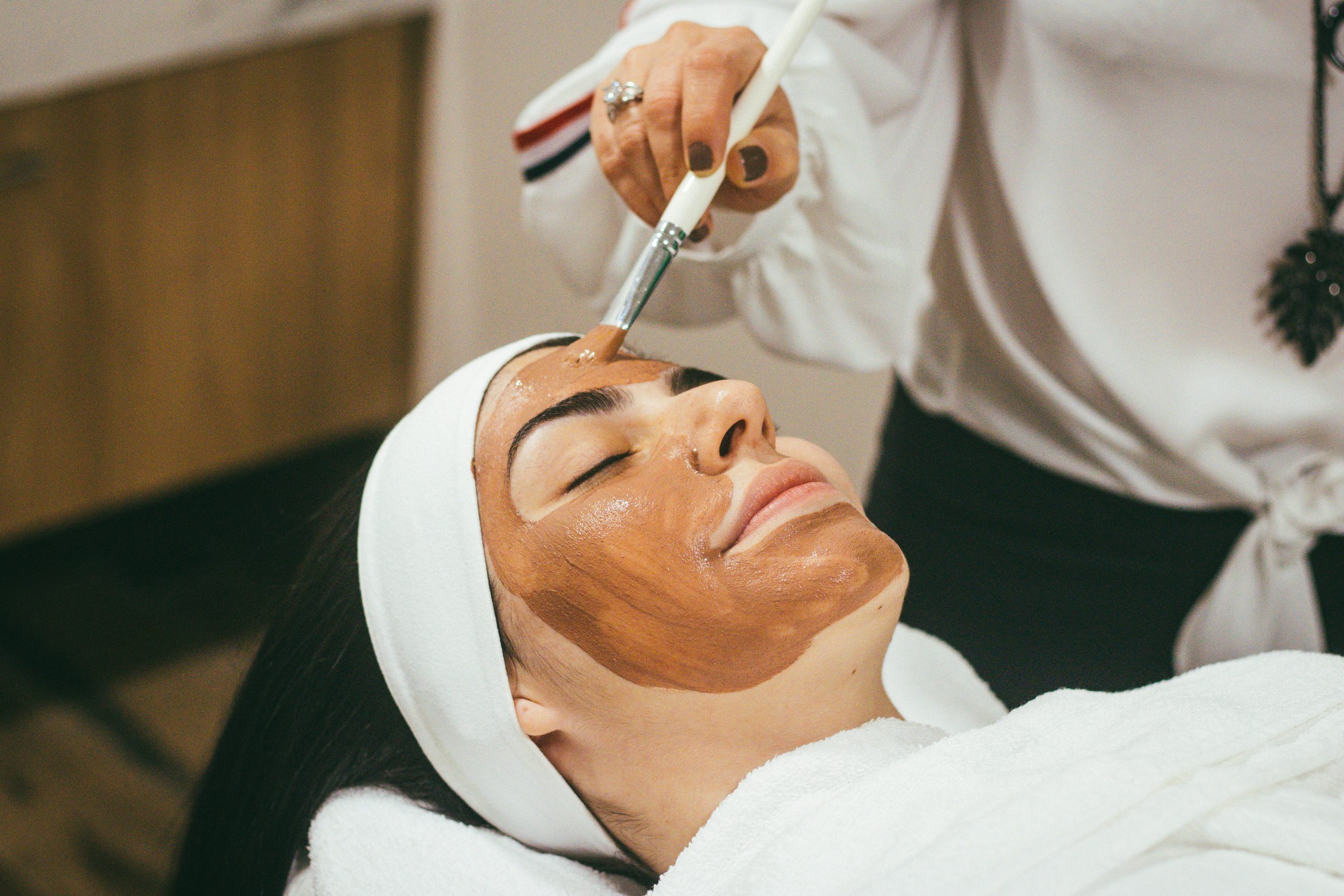
The same process applies to beauty and cosmetic treatments. Searching for the current mommy makeover cost can introduce you to the different factors that affect pricing, including the procedures selected, the surgeon’s experience, geographic location, facility fees and anesthesia.
These details demonstrate why a headline figure rarely tells the whole story.
That information can give you useful context before a consultation, so you can approach the conversation with more informed questions. You can investigate typical procedures, compare published estimates and consider your priorities, but online figures cannot provide a personalized medical assessment or determine what is appropriate for you.
Social Media Has Become Part of the Research Process
Search engines are only one part of how you gather information today, as social platforms have become powerful discovery tools in their own right. You can encounter a nutritionist discussing a recipe, a fitness professional explaining a workout or a traveler sharing practical advice about a destination.
Social platforms also make personal experiences easier to find. Someone describing a new skincare routine, hiking route, meditation practice or home project can give you ideas that prompt further research. These accounts can make information feel conversational, accessible and closely connected to ordinary experiences.
Your feed can also introduce you to subjects you were not actively searching for, so discovery becomes part of the research process. A post about healthy cooking can lead to nutrition advice, a garden project can introduce you to sustainable planting ideas or a travel story can prompt you to investigate somewhere you had never considered visiting.
Experience and Expertise Sit Side by Side
The internet has widened the range of voices you encounter, so personal experience can appear alongside professional expertise within the same feed. A person describing their daily routine can offer useful insight into practical life, while a physician, therapist, registered dietitian, horticulturist or other qualified professional can provide information grounded in training and evidence.
That mixture can be useful when you understand that lived experience and professional evidence answer different questions. A personal account can show how someone experienced a particular choice, but it cannot establish that the same approach will produce the same result for everyone.
You can therefore treat personal stories as a source of perspective, using them to understand how someone approached a decision or routine. Professional sources can then provide information about evidence, potential risks and expected outcomes, giving you a stronger foundation when the subject involves health, finances or other significant personal choices.
Technology Makes Comparison Easier
Digital research also gives you practical tools for comparing choices before you commit time, money or energy. You can examine several providers, read reviews, check professional credentials, compare published information and write down questions for a consultation or purchase.
Beauty treatments provide one example of how this process can work. You can compare different procedures, investigate what each involves, examine recovery information and look at how prices differ between providers. The same approach works for wellness services, travel accommodation, fitness programs, home improvements and many other lifestyle decisions.
This kind of research can help you understand what you are actually comparing, so a headline price or appealing social media post becomes only one part of the picture. You can investigate what a quoted fee includes, identify additional expenses and consider independent information before committing to a particular choice.
Algorithms Affect What You Discover
Personalization creates another important dimension, as recommendation systems can influence the information appearing after your initial search. If you spend an evening researching fitness, skincare, travel or nutrition, your subsequent feed can become filled with related material, so one subject can gradually occupy much more of your attention.
That concentration can help you discover communities and specialist voices, but it can also make one perspective feel more universal than it really is. Repeated exposure can create the impression that a particular product, routine or viewpoint is overwhelmingly popular, even when the recommendation is being driven by your previous activity.
Recognizing this effect gives you a reason to pause when a feed becomes repetitive, then seek independent sources that broaden your perspective. You can search beyond your usual platforms, compare several reputable sources and check original information before accepting a recommendation as reliable.
Making the Internet Work for Your Decisions
Modern life involves countless decisions about health, food, appearance, travel, finances, home projects and everyday routines, so your research habits can influence how prepared you feel. Internet technology gives you access to more perspectives than previous generations could gather so quickly, but that abundance also creates a responsibility to distinguish useful evidence from persuasive content.
You can use personal accounts for perspective, professional sources for expertise and comparison tools for practical planning, then bring important questions to the appropriate specialist. You can also take time to check publication dates, identify who produced the information and look for supporting evidence when a claim seems particularly strong.
The result is a more deliberate form of digital research, where technology supports your judgment without making the decision for you. When you know how to compare sources, recognize persuasive content and follow important questions toward reliable evidence, the internet becomes a valuable research tool for the complicated choices that form part of modern wellness, lifestyle and everyday life.