How Animal Shelters Can Improve Adoption Outcomes
Key Takeaways
- Adoption policies should protect pets without relying on needless barriers or automatic rejection rules.
- Respectful conversations often reveal more useful information than rigid application forms.
- Honest pet profiles, foster observations, and trial placements can lead to stronger matches.
- Adopters should assess time, housing, budget, household needs, and behavior expectations before adopting.
- Follow-up support can prevent manageable early problems from becoming adoption returns.
- Shelters should measure long-term outcomes, not only the number of pets adopted.
Table Of Contents
- Why Adoption Policies Matter
- What Fair Screening Looks Like
- How To Improve Pet-Adopter Matches
- The Value Of Foster And Trial Periods
- How Adopters Can Prepare
- Support After Adoption
- Ways To Measure Success
- Common Questions
- Conclusion
Animal adoption works best when it is treated as the beginning of a supported relationship, not simply a completed transaction. For readers interested in the people and public conversations that shape community welfare work, Virginia Chipurnoi offers one perspective on the wider importance of responsible, community-minded decision-making.
Strong shelter policies help protect animals, adopters, staff, and the community. At the same time, the process should not create unnecessary obstacles for people who can provide safe, loving homes. The goal is not merely to move a pet out of a kennel. It is to create a stable match that can last through everyday challenges.
Why Adoption Policies Matter
Shelters need clear policies because every placement involves real responsibilities. Pets may need medical treatment, behavior support, secure housing, daily exercise, or a gradual introduction to children and other animals. A good policy gives staff a consistent way to discuss these needs while still allowing room for judgment.
Problems arise when rules become inflexible shortcuts. A renter, a first-time pet owner, or a person with a full-time job is not automatically a poor adopter. Staff should explore the practical details: Does the person have landlord approval? Who will provide care during work hours? Is there a realistic plan for veterinary expenses? Clear explanations also help applicants understand why questions are being asked and make the process feel more respectful.
What Fair Screening Looks Like
Fair screening should feel like a two-way conversation, not an interrogation. It gives the shelter enough information to recommend an appropriate animal while giving the adopter a realistic picture of the commitment ahead.
- Ask about daily life. Discuss work schedules, activity levels, travel, children, other pets, and available support.
- Talk through care needs. Cover feeding, grooming, training, enrichment, exercise, preventive care, and possible medical costs.
- Confirm practical arrangements. Check housing permission, household agreement, and plans for emergencies or temporary absences.
- Consider each match individually. A quiet senior cat and an energetic young dog should not be evaluated through the same lens.
- Explain the next step. Applicants are more likely to stay engaged when they know what information is needed and why.
How To Improve Pet-Adopter Matches
Matching should focus on lifestyle rather than appearance. Shelters can write plain-language profiles that describe a pet’s energy level, preferred activities, training progress, social behavior, handling tolerance, known medical needs, and likely stress triggers. Honest information helps people choose a pet they can support rather than the pet that simply catches their eye.
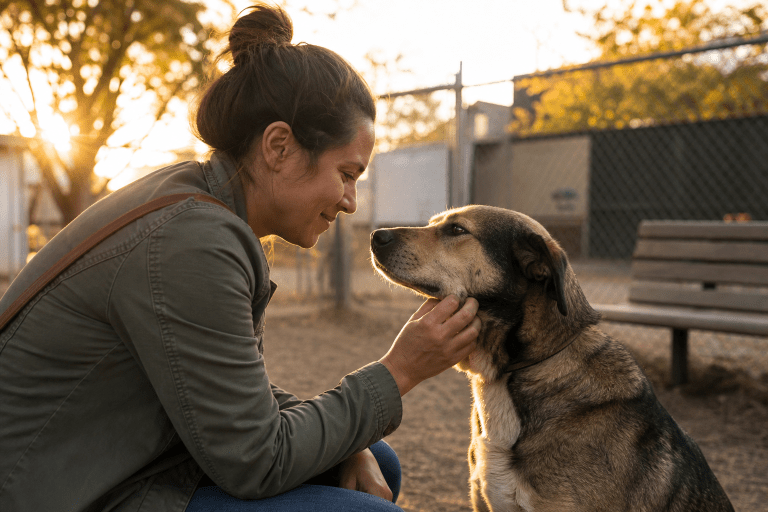
Whenever possible, meetings should happen in a calm area away from the noise and pressure of busy kennel rows. Invite everyone in the household to participate, and arrange safe introductions to resident dogs when appropriate. Staff can frame recommendations as “best fit” conversations. A pet is not bad because it needs a fenced yard, a quiet home, continued training, or a family willing to manage separation anxiety.
The Value Of Foster And Trial Periods
Foster homes can reveal how an animal behaves outside the shelter. A foster caregiver may notice whether a dog settles after a walk, how a cat responds to visitors, whether an animal is comfortable with stairs, or what routine makes mealtimes easier. These observations create richer adoption profiles and may reduce the stress that can affect behavior in a shelter environment.
Short foster stays and trial adoptions can also help households make informed decisions where local rules and shelter policies allow them. A trial may reveal challenges involving noise, alone time, resident pets, mobility, or young children. If the placement cannot continue, a safe and honest return is not always a failure. It is often better than allowing frustration to grow into neglect, abandonment, or an unsafe situation.
How Adopters Can Prepare
Before bringing home a shelter pet, adopters should complete a practical readiness check:
- Set aside time for feeding, walks, play, litter care, training, and companionship.
- Review regular costs for food, supplies, grooming, medications, and veterinary visits.
- Confirm that the home allows the animal’s species, size, and breed, where applicable.
- Prepare a calm first week with limited visitors and a predictable routine.
- Purchase essentials such as food, bowls, bedding, identification, a carrier or crate, and safe toys.
- Choose a regular veterinarian and identify a nearby emergency clinic.
- Ask what adjustment behaviors may be normal during the first days or weeks.
Support After Adoption
The first month can determine whether a new household builds confidence or becomes overwhelmed. Shelters can make a major difference by sending follow-up messages after the first week and again after the first month. Phone, email, or text support gives adopters an easy way to ask about house-training setbacks, hiding behavior, scratching, barking, chewing, introductions, or feeding changes.
Useful support also includes training referrals, simple behavior guides, low-cost veterinary options, food assistance, and a clear return process. Early help matters. Many common adjustment issues improve with structure, patience, management, and timely guidance.
Ways To Measure Success
Adoption totals matter, but they do not tell the full story. Shelters should track returns, length of stay, follow-up response rates, use of referrals, adopter satisfaction, return-to-owner outcomes, and results by species, age, size, and intake reason. Reporting patterns in lost-pet reunification data also show why shelters benefit from examining outcomes in detail instead of relying on one overall number.
Regular review helps staff identify where support is most needed. If young dogs are frequently returned for training concerns, for example, the shelter may improve counseling, offer classes, or adjust profile language. Data should guide better services, not be used to hide difficult cases or discourage people from asking for help.
Common Questions
Should Every Adopter Face The Same Requirements?
Basic safety expectations should be consistent, but the conversation should match the animal and household. A bonded cat pair, a puppy, and a large senior dog have different needs and should prompt different questions.
Are Adoption Returns Always A Bad Outcome?
No. Returns are difficult, but a safe return can protect both the animal and the household. Shelters should learn from returns and improve their counseling, profiles, and post-adoption support.
How Long Does A Pet Take To Adjust?
Every animal is different. Some settle quickly, while others need several weeks of consistent routines, quiet space, patient introductions, and positive training.
Our Final Thoughts
Better adoption outcomes come from shared responsibility. Shelters can combine fair screening, accurate pet information, foster insight, flexible support, and meaningful follow-up. Adopters can prepare for the daily work of care before bringing a pet home. When both sides approach adoption with honesty and patience, more animals have a stronger chance of finding homes that truly last.