Unlock Savings: Prevent Costly Home Water Damage
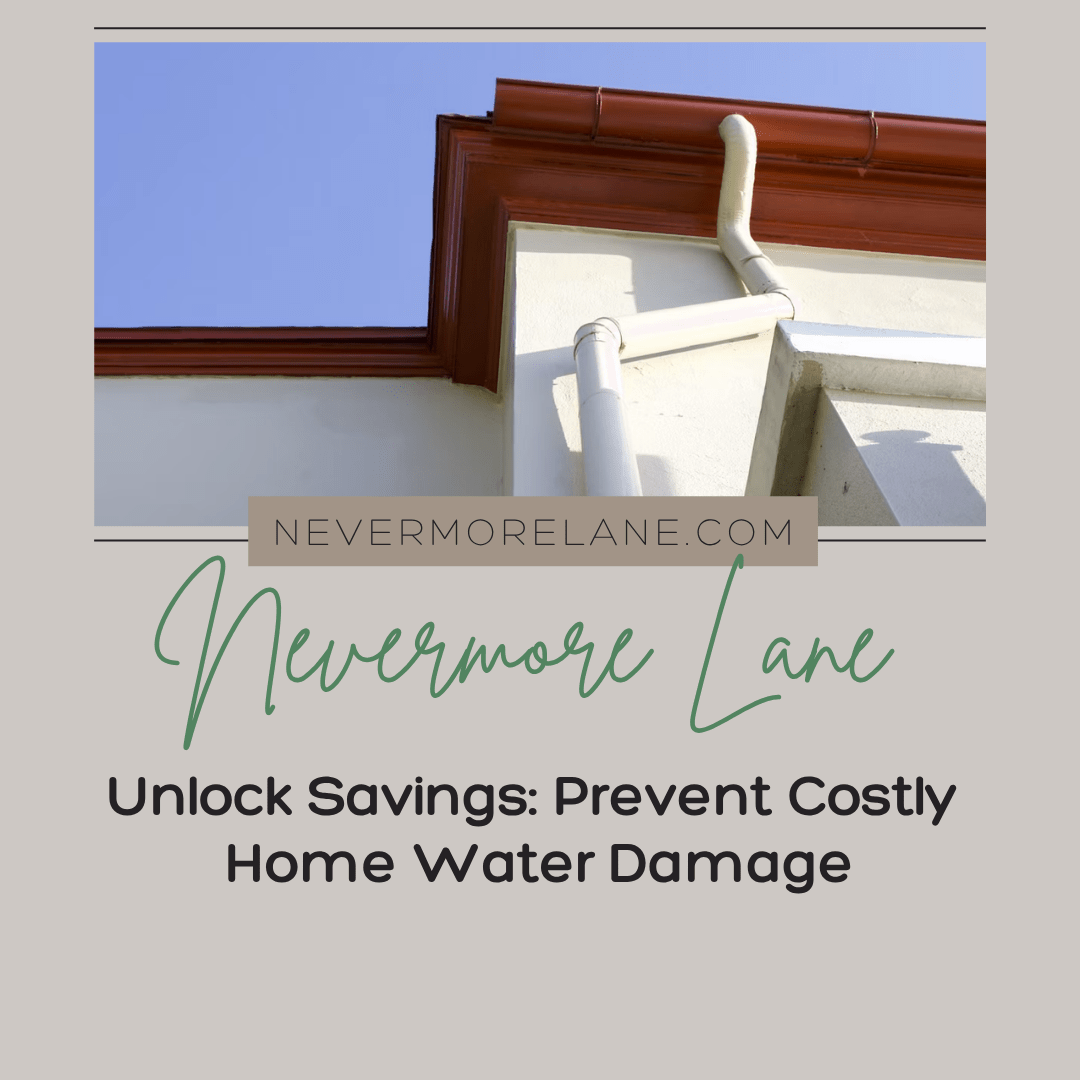
Water is important for life, but it can also be one of the most destructive things a homeowner ever deals with. A tiny, unnoticed drip from a leaky pipe or a clog in your gutters can quietly turn into a huge problem, costing you thousands in repairs, damaging your home’s structure, and causing endless stress. The good news is, stopping most home water damage before it starts is much easier and cheaper than cleaning up after it, especially when you understand emergency water extraction. Taking a few simple steps helps you protect your investment, save money, and keep your home safe and dry for years to come.
The High Price of Water Damage
That shock you get from a water damage repair bill? That’s just the beginning. The real water damage repair costs go way beyond the initial cleanup. When water sneaks into your home’s structure, it creates the perfect spot for mold and mildew to grow, sometimes in as little as 24 to 48 hours. Getting rid of mold is a special and expensive job, often needing pros to rip out contaminated drywall, insulation, and flooring to make sure your home’s air is safe to breathe.
Besides the health risks, water can mess with your house’s very bones. It can rot wooden beams, warp floors, and even crack your foundation. Your personal stuff, like furniture, electronics, and those priceless sentimental items, can be ruined in a flash. And then there’s the disruption to your daily life – living in a construction zone or even having to move out during big repairs just adds another layer of stress. Plus, having water damage claims on your record can mean higher home insurance premiums, making it a problem that keeps costing you long after the repairs are done. Thinking about prevention is one of the key insurance resolutions that save money and protect your property’s value.
Gutters: Your First Line of Defense
Your home’s gutter system is like an unsung hero in the fight against water damage. Its job is simple but important: catch rainwater from your roof and guide it safely away from your house. When gutters don’t work right, that water has nowhere to go but down your siding, into your window wells, and straight to your foundation. That’s why choosing the best gutter brands is so important. The most common problem? A simple clog. Leaves, pine needles, twigs, and other debris can build up, creating a dam that makes water overflow and spill over the sides.
Keeping this first line of defense strong means regular upkeep. You should clean your gutters at least twice a year: once in late spring and again in late fall after most of the leaves have dropped. While you’re up there, check for any spots that are sagging or pulling away from the fascia board. Gutters need a slight, steady slope toward the downspouts to work correctly. Also, make sure your downspouts are clear of blockages and that they send water at least four to six feet away from your foundation. This stops the soil right next to your home from getting too wet.
When Replacement Saves Money
Sometimes, just cleaning and doing small fixes isn’t enough. If your gutters are old, always getting clogged, or showing serious signs of wear, you might be fighting a losing battle. Throwing money at patching up a failing system can be a quick fix for a long-term problem. Knowing when it’s time to upgrade can save you a ton of money on future repairs.
Look out for these signs that your gutters are past their prime:
- Visible Damage: Lots of rust, cracks, or holes clearly show the material is breaking down.
- Sagging and Pulling: If your gutters are pulling away from the house or dipping in the middle, they aren’t moving water effectively and might be stressing your roofline.
- Constant Leaks: Pay attention to the seams and joints. If they keep dripping during rainstorms, even after you’ve tried to seal them, the system is failing.
- Water Damage Below: Peeling paint on your siding, water stains on your fascia boards, or puddles around your foundation are direct results of gutters not doing their job.
If you’re seeing several of these issues, it’s often cheaper in the long run to stop patching and just start fresh. For persistent problems like these, investing in a professional service for top-rated gutter replacement can prevent thousands in future structural repairs by installing a modern, seamless system that really protects your home.
Smart Homeowner Investments
Beyond your home’s outside, modern tech offers some great tools to help you get ahead of potential water disasters inside. These smart devices act like an early warning system, giving you a chance to step in before a small leak turns into a full-blown flood. Putting money into a few key tech pieces is one of the smartest ways to avoid water damage to your home.
Smart water leak detectors are small, battery-powered sensors you can put in risky spots. Tuck them under sinks, behind toilets, next to the washing machine, or near your water heater. If the sensor finds moisture, it’ll sound an alarm and immediately send an alert to your phone, letting you know about a problem no matter where you are.
For even more protection, you can install an automatic water shut-off valve. This device connects to your home’s main water line. When one of your connected leak detectors senses water, the valve automatically shuts off the water supply to the whole house, stopping the flood right away. This can be a real lifesaver if a pipe bursts while you’re at work or on vacation. For homes with basements, a reliable sump pump is a must, and adding a battery backup system makes sure it keeps working even if a storm knocks out your power.
Protecting Your Foundation
Every preventive step, from cleaning your gutters to putting in a leak sensor, ultimately has one main goal: protecting your home’s foundation. The foundation is the very base of your entire house, and water is its biggest enemy. When the soil around your foundation gets too wet, it expands and pushes incredibly hard on the concrete walls. This pressure can lead to cracks, bowing, and leaks in your basement or crawlspace. Over time, that cycle of wet soil freezing and thawing can cause serious structural damage.
Good grading is crucial. The ground around your home should slope downward and away from the foundation for at least ten feet. This makes sure rainwater and melting snow naturally flow away from the house instead of pooling right against it. If you notice low spots or areas where the ground slopes toward your home, you might need to add some topsoil to build up the grade.
Your landscaping choices also matter. When planting trees and shrubs, be aware of their root systems. Try not to plant species with aggressive roots too close to the foundation, as they can cause cracks and mess up drainage over time. Finally, double-check that your downspout extenders are doing their job, carrying water far from the base of your house. This simple check is one of the most effective ways to keep your foundation strong and dry.
Protecting your home from water damage isn’t a one-and-done thing; it’s an ongoing process. By making these maintenance tasks a regular part of being a homeowner, you’re actively safeguarding your property’s value and making sure it stays a safe, comfy place for your family. A little bit of careful attention today can prevent a world of trouble tomorrow.