Why Seasonal Preparedness Deepens Your Home Connection
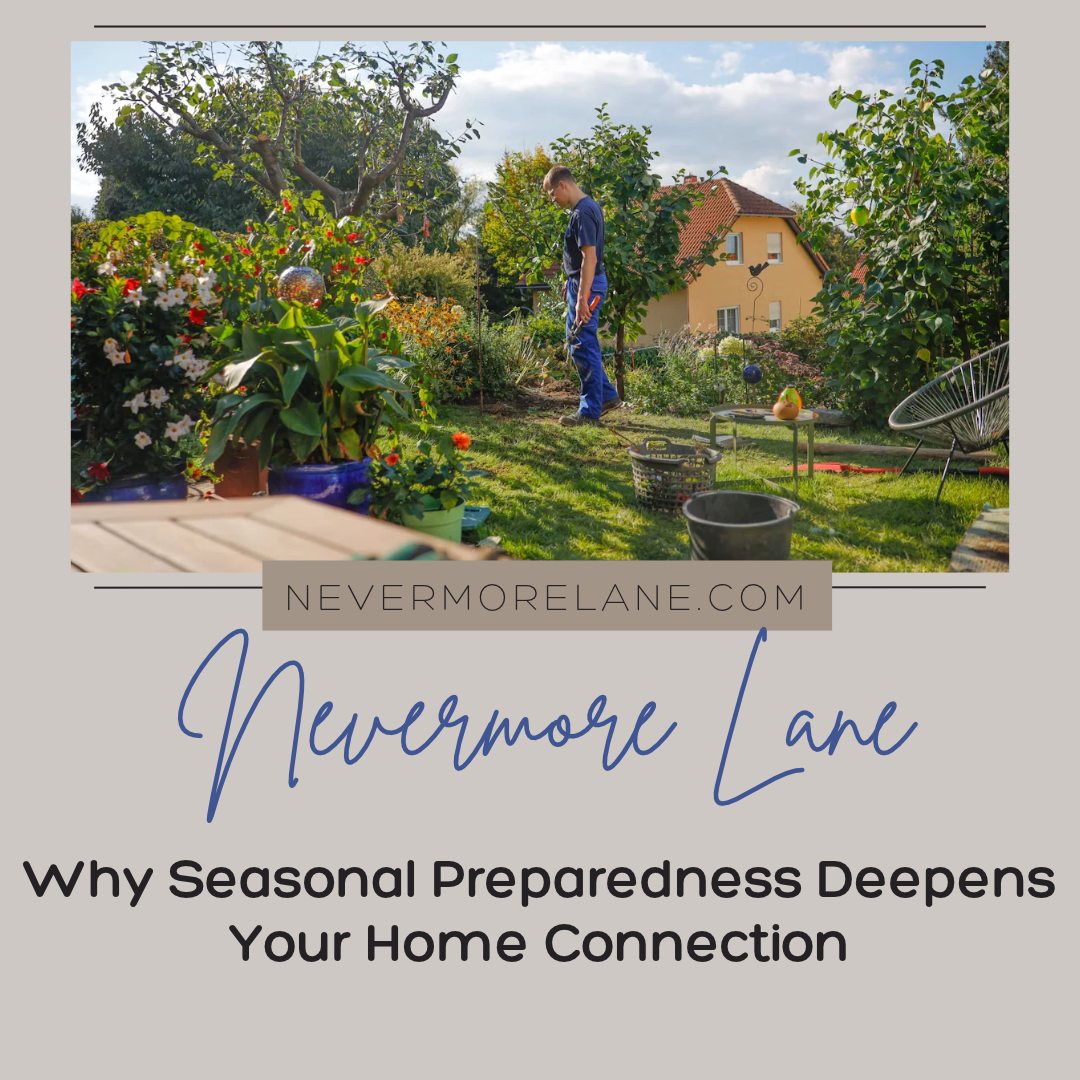
Seasonal home care creates a steady rhythm that helps you understand how your property responds to heat, rain, wind and cold. Each inspection reveals small changes, from leaves collecting near a fence to a gate that has become difficult to open.
As you notice and address these details, your home starts to feel more familiar and manageable. Preparedness becomes part of caring for the place where you live, giving you practical ways to protect its comfort, character and everyday function.
Honoring Seasonal Shifts in Home Care
Every season places different demands on a property. Spring may bring rapid plant growth and heavy rain, while summer can dry out lawns, garden beds and timber structures. Cooler months may expose drainage problems or gaps around windows and doors.
Set four dates each year for a full property walk-through. A written seasonal home care checklist can help you inspect the same areas each time without relying on memory. If your property sits near dense vegetation or has complicated access, Bushfire Consultants can provide risk assessments, management plans and property safety reporting based on site conditions. Professional input can clarify priorities that may be difficult to judge during a casual inspection.
Clearing Debris as a Grounding Ritual
Debris removal offers an immediate way to reconnect with your outdoor spaces. Spend 20 minutes collecting dry leaves from steps, clearing roof valleys from a safe position and removing dead plant material near buildings. Check under decks and around storage areas too, since wind can push loose material into hidden corners.
This work has a long cultural history. The origins of spring cleaning show how seasonal cleaning has helped households mark transitions for centuries. Turn the task into a repeatable ritual by using the same route around your property. You’ll begin to notice subtle changes, such as a leaning branch, blocked drain or damaged screen, before they become larger maintenance problems.
Assessing Fire Hazards Across Your Property
Walk from the outer property boundary toward your home and note where dry vegetation, fallen branches or combustible outdoor clutter has accumulated. Look closely at narrow spaces beside sheds, beneath stairs and along fences. Trim plants according to local guidance and keep access points clear for emergency services.
Pay attention to how hazards connect. A pile of dry leaves beside a timber fence may create more concern if that fence leads directly toward the house. Record each issue with a photo and date, then rank it as urgent, seasonal or worth monitoring. Avoid climbing onto roofs or handling damaged power lines yourself. Qualified contractors should address work involving heights, electrical systems or large unstable trees.
Establishing Reliable Evacuation Routes
A useful evacuation route must work under pressure and in poor visibility. Choose a primary exit and at least one backup, then walk each route with everyone in the household. Gates should open easily, paths should remain clear, and vehicles should have enough room to leave without complicated maneuvering.
Keep essential contact details and copies of key documents in one accessible place. Household members should know where to meet if they become separated. Review routes whenever construction, severe weather or vegetation growth changes the property. Broader seasonal care routines can also help you account for changing mobility, health and support needs within the household. Include pets in every practice run and keep carriers or leads where you can reach them quickly.
Embracing Calm Through Practical Readiness
Readiness reduces the number of decisions you’ll need to make during a stressful event. Store flashlights where everyone can find them, keep phones charged during high-risk conditions and check that address numbers remain visible from the road. Replace expired supplies and update contact information during each seasonal review.
Your plan should stay simple enough to remember. A short written page covering exits, meeting locations, emergency contacts and pet arrangements is usually more useful than a complicated folder no one has read. Place a copy near the main exit and share it with household members.
The strongest sense of connection often comes from these small acts of attention. When the next season arrives, you’ll know which gate sticks after rain, where leaves collect after strong winds, and what needs checking first.
Image Credit: Unsplash