How to Design a Grounded Sanctuary in Your Backyard
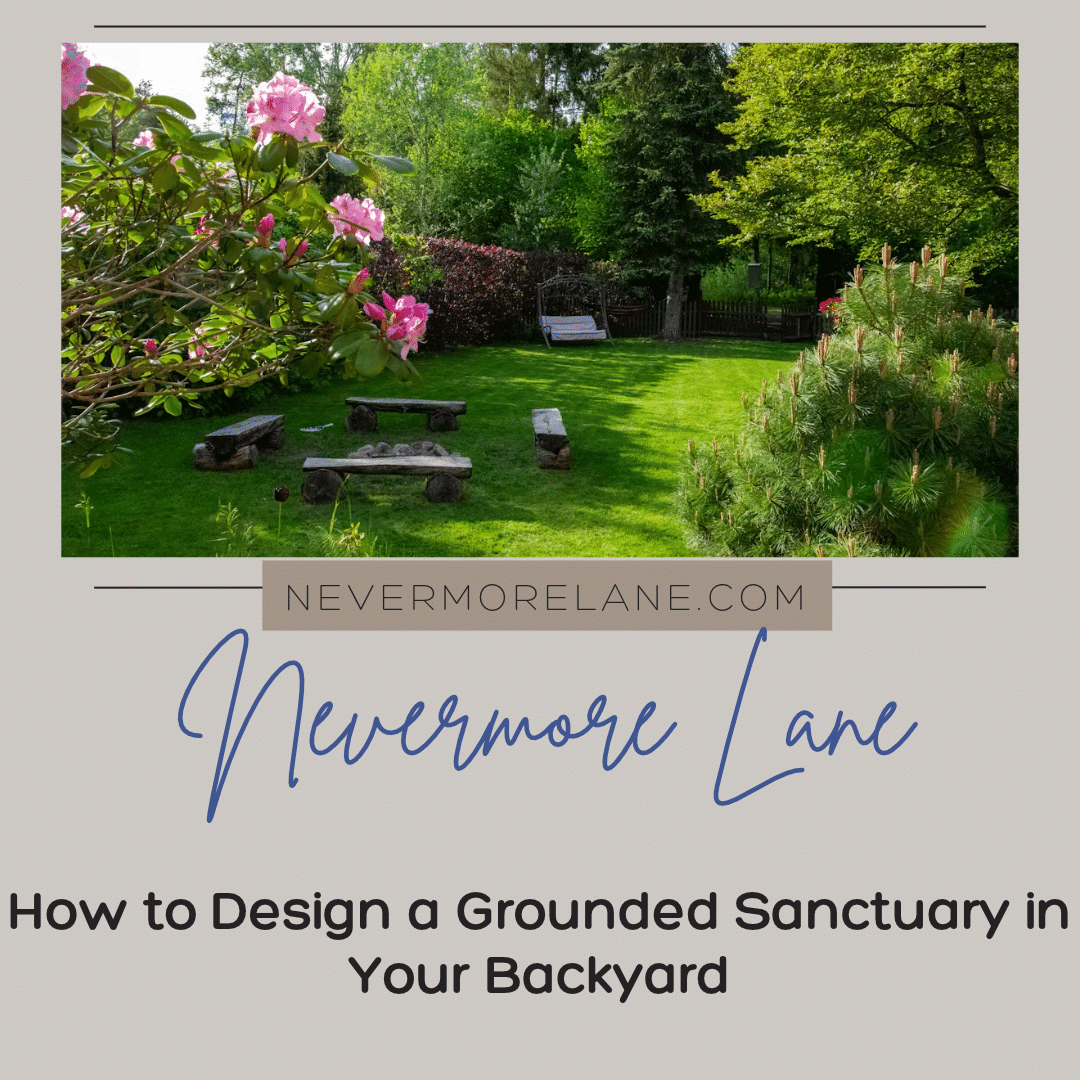
A grounded backyard sanctuary gives you a comfortable place to pause, spend time outdoors and reconnect with the natural world. It can fit into a compact courtyard or occupy a quiet corner of a larger yard. The most inviting spaces begin with practical choices: a clear purpose, stable ground, climate-suited plants and details that appeal to the senses. Start by observing how sunlight, wind and water move through your yard before deciding where each element should go.
Define Intentional Rest Areas
Choose one main activity for your sanctuary, such as reading, stretching or sharing quiet conversation. A clear purpose helps you decide how much room you need and which furnishings belong there. A reading corner may only require a supportive chair and a small table, while an outdoor meditation area needs enough level space for a mat.
Look for natural boundaries that create a sense of shelter without closing off the view. A hedge, low screen or group of tall grasses can separate the area from a driveway or busy patio. Position seating to face a tree, garden bed or open patch of sky. Before placing anything permanently, sit in the proposed spot at several times of day to check the sun, temperature and neighborhood noise.
Level the Terrain for Stability
Stable terrain keeps furniture from rocking and helps prevent water from collecting under seating. Clear loose material first, then use a long level to identify dips or slopes. Minor unevenness may be corrected with compacted crushed stone topped by pavers or flat natural stone. Keep a gentle grade that directs rainwater away from buildings.
A steeper site needs more careful planning. Professionally built retaining walls can create usable terraces on sloping properties and hold soil at different elevations. Consult an experienced local contractor when the wall will support a substantial load or sit near a boundary, structure or drainage line.
Once the base is prepared, test it under real use. Place the chair, bench or table in position and check every leg before adding heavy planters or permanent features.
Blend Native Flora and Natural Stone
Select native plants suited to your soil, rainfall and daily sun exposure. For more inspiration on creating an inviting backyard sanctuary, consider how thoughtful plant choices and natural materials can turn an outdoor area into a relaxing retreat.
Locally adapted species generally require less intervention after their roots become established, and they can provide food or cover for nearby wildlife. The Audubon guide to a bird-friendly yard recommends combining native plants with water, shelter and safer maintenance practices.
Arrange plants in loose layers, with ground covers along paths, medium shrubs near seating and taller growth toward the back. This creates depth while keeping sightlines open. Leave enough space for each plant’s mature width so the sanctuary doesn’t become crowded after two growing seasons.
Use natural stone to connect planted areas with the rest zone. Flat stones can form stepping points, while a weathered boulder offers a visual anchor. The International Bird Rescue guide to a backyard wildlife sanctuary also highlights the value of diverse habitat elements.
Add Mindful Sensory Elements
Build a calming sensory experience with a few details that suit the site. For sound, try ornamental grasses that move in the breeze or a small recirculating water bowl. Place water features where you can maintain them easily, refresh the water often and prevent leaves from blocking the pump.
Fragrant plants work best near a path or seat, where brushing past leaves releases their scent. Choose one or two gentle fragrances so they don’t compete. Textured foliage, smooth pebbles and unfinished timber add tactile variety without making the area look busy.
For evening use, install warm, low-level lights aimed toward paths and steps. Avoid bright overhead fixtures that produce glare or disrupt the darker atmosphere. Solar lanterns can be useful where wiring isn’t practical, though their panels need several hours of direct sunlight. Finish with one comfortable seat that encourages you to stay for more than a few minutes.
A sanctuary will feel more personal as plants mature and stone develops natural character. Give the space a full season before making major changes, then adjust the shade, seating position or planting density based on how you actually use it.
Image Credit: Unsplash