Why Modern Sanctuaries Start with Sustainable Groundwork
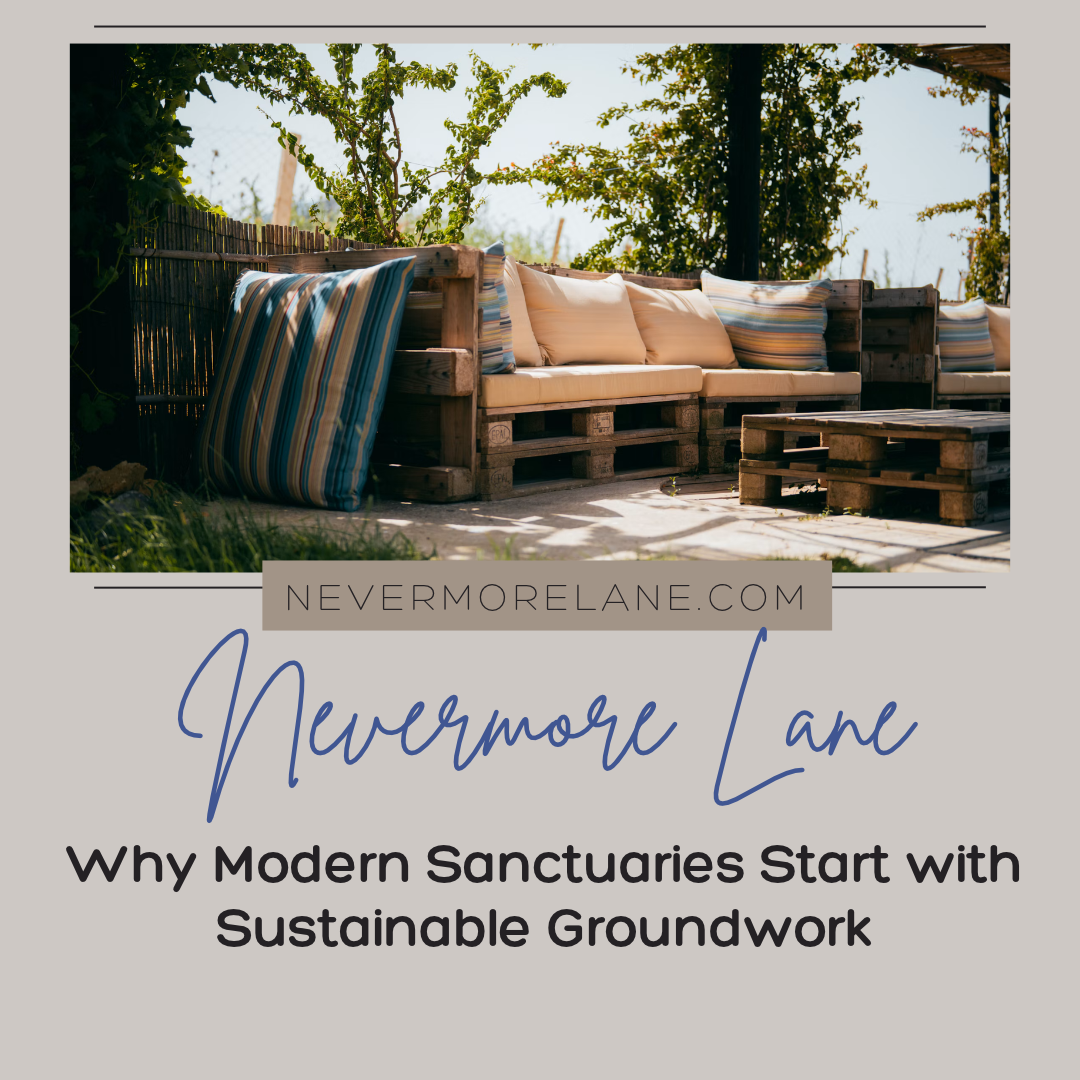
A beautiful outdoor space can quickly become a costly disappointment when poorly planned foundations, drainage problems, and unsuitable materials lead to cracking, erosion, or constant maintenance. Homeowners want a garden that feels inviting, complements their property, and remains durable without compromising the natural environment. Combining thoughtful landscape design, sustainable materials, and reliable groundwork can help create an outdoor space that looks beautiful and stands the test of time.
Holistic Design Meets Structural Integrity
A successful design treats the house, hard surfaces, and garden as one connected system. This principle appears throughout sustainable housing design, where site orientation, durable materials and efficient resource use work together.
Start with a site plan that marks slopes, mature trees, sunny areas and natural water movement. Then position foundations and paved zones with those existing conditions in mind. Before arranging a delivery, discuss access, load requirements, and the intended finish with local concrete suppliers. A garden path needs different preparation from a house slab or vehicle area. Matching the mix and base depth to the application reduces cracking, wasted material, and disruptive repairs later. Taking time to understand your outdoor space through patiently observing the landscape ensures that your foundational choices support how you actually move through the yard every day.
Eco-Friendly Mixes for Low-Impact Living
Ask your contractor about mixes that reduce virgin material use while still meeting the project’s structural requirements. Options may include supplementary cementitious materials or recycled aggregate, depending on local availability and engineering specifications. Accurate volume calculations also matter. Ordering far more than the site requires creates avoidable waste, while underordering can lead to inconsistent pours.
Material choices are only one part of sustainable architecture. Longevity has environmental value because surfaces that last for decades need fewer replacements. Choose dimensions that fit standard forms, keep decorative finishes timeless, and schedule work during suitable weather. Proper curing protects the finished surface and helps the material reach its intended strength, so don’t rush to place furniture, planters, or vehicles on a new installation.
Preventing Drainage and Soil Erosion
Watch how water crosses the property during steady rain before finalizing paved areas. Runoff often reveals low spots, compacted soil, and slopes that direct moisture toward the house. If you’re planning a wider garden redesign, living with your garden before redesigning can reveal seasonal drainage patterns that a single inspection may miss.
Grade hard surfaces so water travels toward safe collection or infiltration areas. Permeable joints, gravel borders, planted swales, and rain gardens can slow runoff before it carries topsoil away. Avoid directing water onto neighboring land or against foundations. On steeper sites, divide long slopes into planted terraces and use deep-rooted ground cover to stabilize exposed soil. A drainage professional or landscape designer can confirm suitable falls before construction begins.
Harmonizing Stone Elements with Garden Growth
Hard surfaces should support the garden without overwhelming it. Leave generous planting pockets around patios and walkways, remembering that shrubs and perennials will spread beyond their nursery size. A narrow bed may look balanced at installation but become crowded within two growing seasons.
Protect established trees by keeping excavation and heavy materials away from their root zones. Where roots already sit close to the surface, a gently curved path may cause less disturbance than a straight route. Use stone color and texture to connect built areas with local soil, foliage, and exterior finishes. Pale surfaces can reduce heat buildup in exposed spaces, while strategically placed shade plants make seating areas more comfortable. Flexible borders between paving and planting beds also leave room for garden growth and make future maintenance easier.
Sustainable groundwork begins with careful observation before any material arrives. Record where rain collects, measure the mature spread of existing plants, and confirm how each surface will be used. Those details help the finished sanctuary settle into its surroundings, with stable paths, healthier soil, and outdoor spaces that improve as the garden matures.
Image Credit: Unsplash