Why Home Energy Feels Off When Plumbing Fail
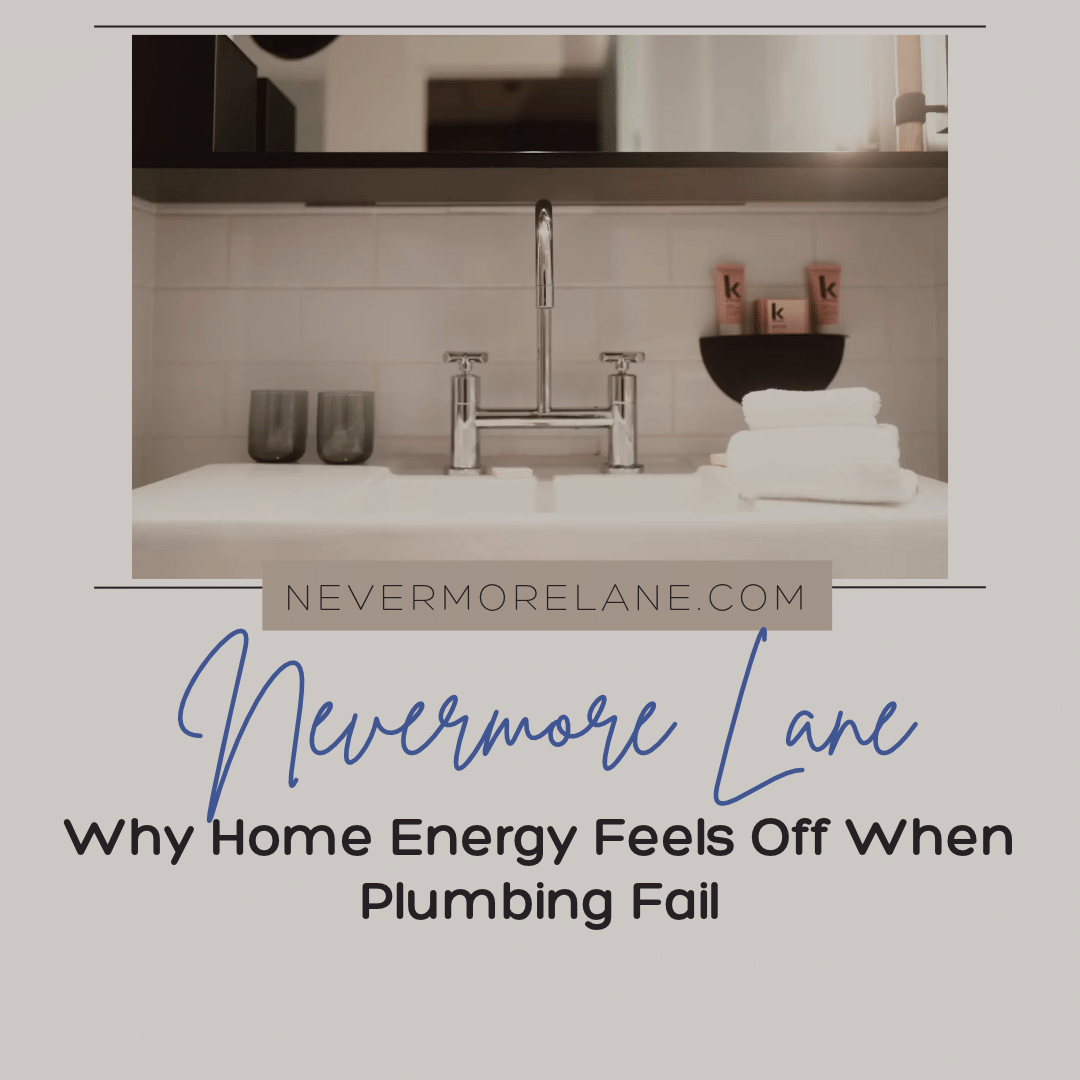
A plumbing problem can change the way your whole home feels, even before you know exactly what has gone wrong. Slow drains, unexplained smells and dripping sounds create a low level of tension that makes it harder to relax. There’s a practical reason for that discomfort, but many people also connect water with emotional flow, renewal and balance. Looking at both perspectives can help you respond to the problem without letting stress take over your space.
The Symbolism of Household Water Flow
Water often represents movement, cleansing and emotional release. Inside a home, its everyday rhythm reinforces that symbolism. Faucets deliver clean water, showers wash away the day and drains carry waste out of sight. When essential systems keep failing, the strain of living in a space that constantly needs fixing can gradually wear down your energy and sense of ease.
When that rhythm breaks, the home may feel unsettled. Some traditional space-clearing practices connect recurring pipe issues with emotional pressure or difficulty letting go. The idea of plumbing problems reflecting emotional imbalance offers a reflective lens, though any physical fault still needs a practical diagnosis.
Use the symbolism as a prompt. Notice what feels backed up in your routines, then address the physical issue before water damage or sanitation concerns develop.
Stagnant Energy and Lingering Odors
Odors can make a clean room feel uncomfortable. A dry drain trap, buildup inside a pipe or hidden moisture may produce musty, sour or sewage-like smells. Some unusual house smells can signal hidden problems, so persistent odors deserve more than candles or room spray.
Start by noting where the smell is strongest and when it appears. If several fixtures drain slowly, make gurgling sounds or release odors at the same time, the issue may extend beyond one sink.
Fresh air helps temporarily, but removing the source is what restores comfort.
Clearing Blocked Drains to Reset Space
Deal with slow drainage as soon as you notice it. Remove visible hair or debris from accessible strainers, clean the stopper and flush only with water if the fixture can still drain. Avoid repeatedly pouring harsh chemical cleaners into the pipe. They may not clear a solid obstruction and can create risks during later repair work.
If the problem affects several fixtures or keeps returning, professional help with blocked drains can identify deeper problems in the drainage system and determine the most suitable way to clear them.
Watch how nearby fixtures behave. A kitchen sink that backs up when the dishwasher runs or a shower drain that bubbles when a toilet flushes can point to a shared line problem. Stop using affected fixtures if wastewater returns through a drain.
Once the blockage is cleared, clean surrounding surfaces, wash damp mats and let the room dry fully. That small reset removes lingering reminders of the disruption.
Grounding Practices for Stressed Nests
A repair may solve the plumbing fault while your body remains alert to every sound and smell. Restore a sense of normalcy with simple, sensory cues. Open a window, run a clean exhaust fan and replace any towels or cabinet liners that absorbed moisture. A mild soap-and-water clean often feels fresher than covering the room with a strong fragrance.
Check the repaired area once a day for the next several days. Look for new dampness, listen for dripping and confirm that water drains at its usual speed. Then stop monitoring it constantly.
Finish by bringing one calm element back into the room, such as a dry bath mat, a small plant suited to the available light or neatly arranged toiletries. When the water runs freely and the room smells clean again, the whole house can finally exhale.
Image credit: Unsplash