The Stress-Free Guide to Relocating with Familiar Animals
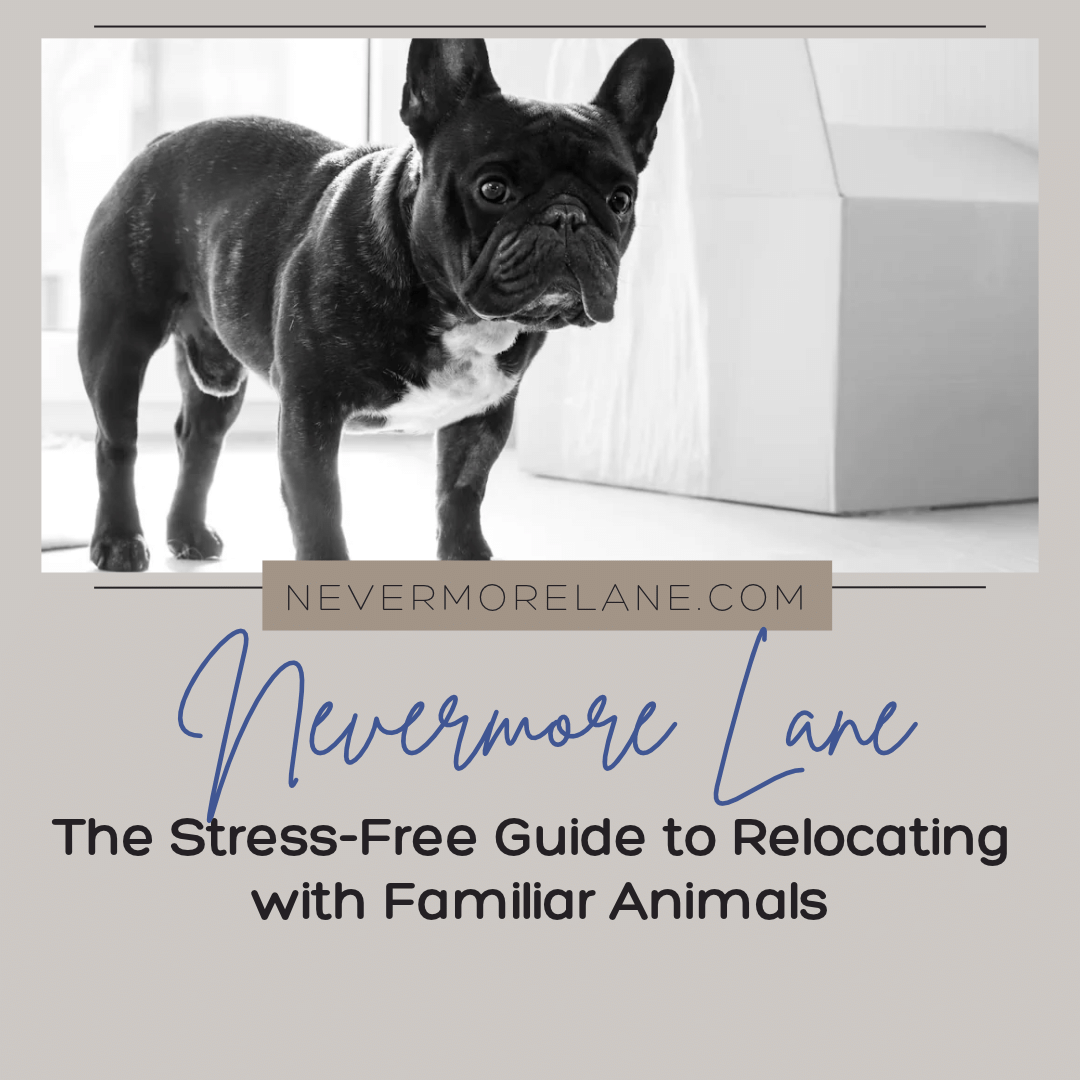
A move can unsettle even the most easygoing pet, especially when familiar smells, furniture and daily routines suddenly disappear. Dogs may become clingy, cats may hide, and smaller animals may stop eating for a short time.
Careful preparation helps protect their sense of safety throughout the transition. The process starts before the first box is packed and continues until your new home feels familiar to every member of the household.
Preparing Pets for Spatial Change
Introduce signs of the move gradually. Leave a few empty boxes in common areas, pack one room at a time and keep feeding and walking schedules steady. These moving with pets tips also recommend giving animals a quiet retreat away from the activity.
If possible, bring your pet to the new neighborhood before moving day. A dog can explore nearby sidewalks while a cat may benefit from hearing recorded household sounds at a low volume. Keep carriers open at home with bedding and treats inside, allowing them to become familiar resting spots instead of last-minute sources of stress, a useful tip before signing a lease in a pet-friendly apartment.
Packing an Essential Comfort Kit
Set aside one clearly labeled bag that travels with you. Pack enough food for several days, bottled water, medications, bowls, waste supplies and a basic first-aid kit. Include recent photos and copies of veterinary records in case your pet becomes lost or needs urgent care before you find a local clinic.
Familiar scent matters too. Add an unwashed blanket, favorite toy or T-shirt that smells like you. Avoid cleaning every piece of bedding just before the move. For cats and small animals, bring enough familiar litter or enclosure material to recreate their usual setup immediately. Keep this kit in your vehicle, never buried in the moving truck.
Scouting Reliable Pet-Friendly Rentals
Start your housing search early and confirm every policy in writing. Listings for pet-friendly rentals may explain common restrictions, deposits and questions renters should ask before applying. Verify the number of animals allowed as well as size limits and any building-specific rules.
Look beyond the lease language. Check for safe walking routes, nearby green space and enough indoor room for beds, scratching posts or enclosures. Ask how maintenance workers announce entry, since unexpected visits can frighten an animal. Before paying a deposit, request a copy of the complete pet policy and confirm that it matches the terms written into your lease.
Settling in on Day One
Create one calm room before opening the rest of the home. Place food, water, bedding and familiar toys there, then let your pet explore at a comfortable pace. A cat moving guide can be especially useful because cats often need several days to adjust to unfamiliar territory.
Check doors, windows, screens and balcony gaps before allowing free access. Keep dogs leashed during early trips outside, even if they normally have reliable recall. Update microchip records and identification tags with your new address as soon as possible. Quiet companionship, regular meals and familiar bedtime cues will make the first night easier.
Energy Cleansing Your New Threshold
A simple threshold ritual can help you mark the home as a fresh, welcoming space without exposing animals to smoke, strong fragrances or irritating oils. Open a window briefly, sweep the entryway and place a familiar mat near the door. You might ring a soft bell, say a few welcoming words or pause with your pet before entering together.
Skip incense, scented sprays and loose herbs that could irritate lungs or be swallowed. Instead, focus on light, airflow and intention. Once the room is quiet, offer a treat or begin a familiar activity such as brushing, playtime or settling onto a favorite blanket. That first calm ritual can become the new home’s earliest comforting memory.