Why More People Are Finally Talking to a Mental Health Doctor
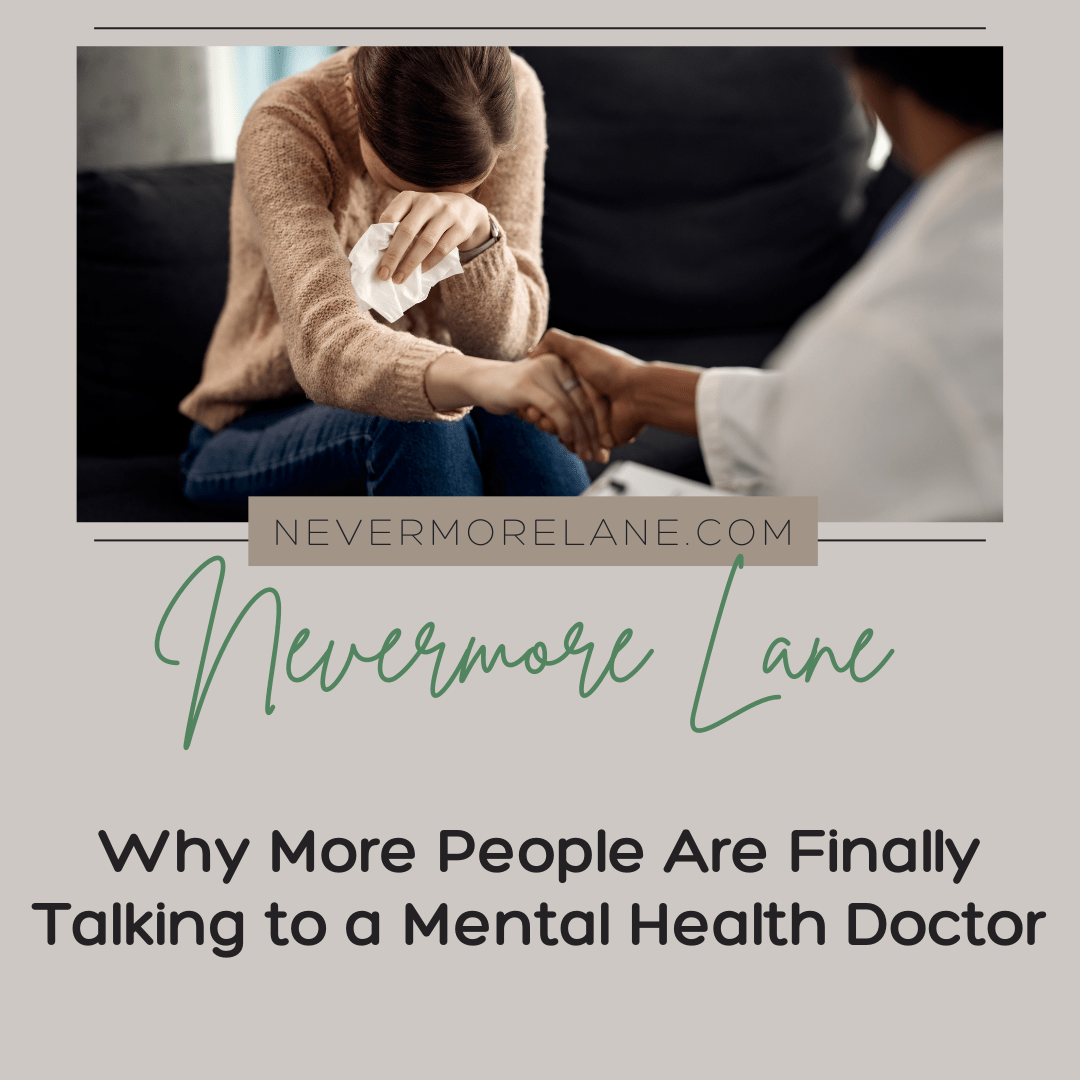
What changed between the era when mental health struggles were kept strictly private and today, when someone might mention their psychiatrist as casually as their dentist? That shift didn’t happen overnight, but it’s happened faster than most people realize, reshaping how an entire generation approaches getting help.
SAMHSA’s 2024 National Survey on Drug Use and Health found that among the 61.5 million U.S. adults living with any mental illness, 52.1% (32 million people) received mental health treatment in the past year, rising to 70.8% among those with serious mental illness.
This change is visible even in the everyday landscape of a place like Maitland, FL, where a psychiatry practice now sits comfortably alongside the family clinics and dentist’s offices people have always visited without a second thought. More people are talking to mental health doctors today than at almost any point in recent memory, and understanding exactly what’s driving this shift helps explain why reaching out finally feels possible for so many who once stayed silent.
What Used to Keep People From Reaching Out
For a long time, seeking help for a mental health concern carried a genuine social cost, fear of judgment, concern about how it might affect a career, or simply the discomfort of admitting something felt wrong in the first place. These concerns weren’t irrational. They reflected real, sometimes accurate perceptions about how mental health struggles were viewed by others.
This stigma kept countless people from ever having the conversation that might have genuinely helped them, sometimes for years longer than necessary. Understanding this history matters, since the shift happening now represents a genuine departure from decades of silence that shaped how previous generations approached, or avoided, this exact same decision.
Why More People Are Reaching Out Now
This shift away from silence reflects several specific, genuine changes in how people think about mental health and their own wellbeing. Here are six reasons more people are finally having this conversation.
1. Public Conversation Has Genuinely Normalized the Topic
Mental health is discussed openly today in ways that simply weren’t common a decade or two ago, across social media, workplaces, and everyday conversation among friends. This visibility has done considerable work to normalize what once felt like a taboo, private struggle. Seeing others discuss their own experiences openly makes it considerably easier to imagine doing the same.
2. Younger Generations Approach Mental Health With Less Shame
Younger adults have generally grown up with more open conversation around mental health than previous generations, and this exposure has shaped a genuinely different, less shame-based relationship with seeking help. This generational shift is gradually changing broader cultural norms as younger people move into workplaces and communities carrying these more open attitudes with them.
3. Telehealth Has Made Access Considerably Easier
The ability to speak with a mental health doctor remotely has removed significant practical barriers, travel time, scheduling conflicts, and the discomfort some feel about being seen entering a specific kind of office. This convenience has made the decision to reach out considerably less daunting for many people who might have otherwise kept delaying that first appointment.
4. More People Understand the Difference Doctors Can Actually Make
As more people share genuine, positive experiences with treatment, others are recognizing that professional support can meaningfully improve daily life, not simply address a crisis once things have already gotten severe. This shift in understanding, from crisis intervention to genuine ongoing wellbeing, has broadened who considers reaching out in the first place.
5. Workplaces Are Increasingly Supporting This Kind of Care
More employers now offer mental health benefits and openly encourage employees to use them, a meaningful shift from workplaces where this topic was once avoided entirely. This institutional support sends a genuine signal that seeking help is not just acceptable, but actively encouraged, which measurably reduces the hesitation many people previously felt.
6. Physical and Mental Health Are Increasingly Seen as Connected
Growing awareness of how closely mental and physical health are actually connected has led more people to view mental health care as a natural, logical extension of overall healthcare, not a separate, optional category. This shift in framing makes reaching out feel less like a significant, isolated decision and more like a natural part of taking care of one’s overall health.
What That First Conversation Actually Feels Like
For many people, uncertainty about what actually happens during that first conversation is what keeps them from ever booking the appointment in the first place. In reality, a first conversation with a mental health doctor typically feels less clinical and more like an honest, structured discussion about what’s currently going on and what kind of support might genuinely help.
Most people describe feeling noticeably more at ease once the conversation is actually underway, often surprised by how straightforward and judgment-free the experience turns out to be compared to what they’d anticipated beforehand. Access to a mental health doctor in Maitland, FL also gives people a local starting point for discussing their concerns and learning what the next steps in care might look like.
That emphasis on making the initial conversation comfortable is also reflected in the approach taken by Healing Psychiatry of Florida, where early discussions can focus on understanding the patient’s concerns and what kind of care may be appropriate.
What Changes in the Weeks and Months Afterward
The shift most people notice doesn’t usually happen immediately after that first appointment, but gradually, across the weeks and months of ongoing care that follow. Many describe a slow but genuine change in how they handle stress, communicate with the people around them, and understand their own emotional patterns over time.
This gradual, cumulative change is often what people describe as the most meaningful part of the entire process, considerably more significant than the relief of simply having finally reached out in the first place. Ongoing care tends to build on itself, with each conversation adding to a growing sense of genuine, lasting understanding and stability.
Don’t Keep Quiet
More people are finally talking to a mental health doctor because the barriers that once kept this conversation silent, stigma, inconvenience, and misunderstanding, are genuinely breaking down. From public conversation to workplace support, this shift reflects a real, measurable change in how people approach their own wellbeing. For anyone who’s been considering this step, the growing openness around this decision offers exactly the kind of reassurance needed to finally take it.