A Guide to Creating an Outdoor Meditation Sanctuary
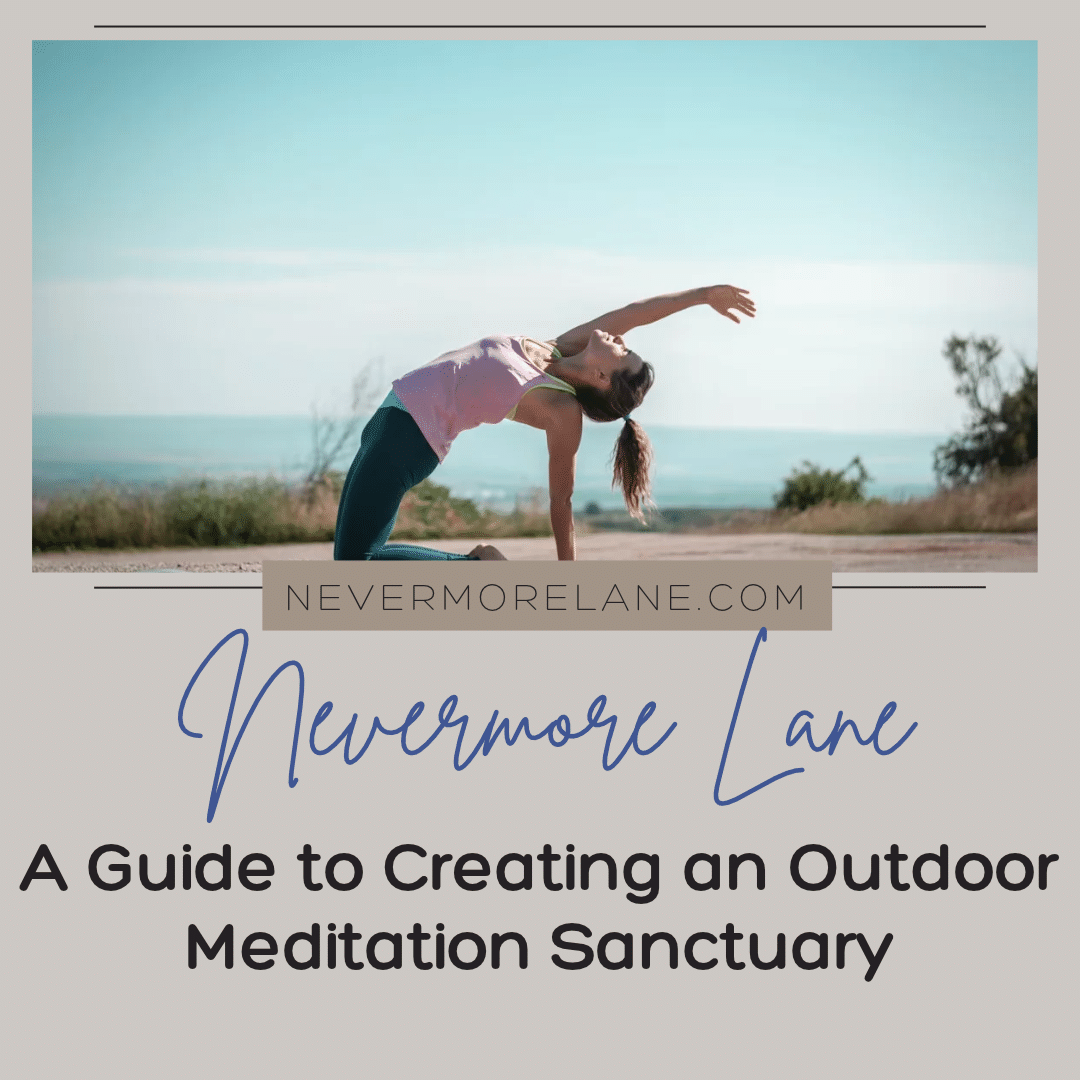
A dedicated meditation space can turn an overlooked corner of your yard into a practical retreat for daily reflection. The area doesn’t need to be large or elaborate. A stable surface, a little privacy and a few carefully chosen details may be enough to support a regular mindfulness practice.
Start with how you want to use the sanctuary, then shape each design decision around comfort, simplicity and the conditions in your yard.
Define Your Grounding Intentions
Decide what you’ll do in the space before choosing materials or plants. Seated meditation may require only a level spot for a cushion or chair, while gentle stretching calls for more room to move. If you plan to use the sanctuary early in the morning, notice where sunlight falls at that hour and how much noise reaches the area.
Measure the space and sketch a basic layout. Allow roughly 3 feet around your seat so the area doesn’t feel cramped. For more ways to connect outdoor design with daily calm, explore this guide to a serene outdoor space.
Select Solid Foundation Materials
Choose a surface that stays level, drains well and feels secure underfoot. Concrete works well for permanent meditation patios because it creates an even base for chairs, cushions and small tables. Decorative finishes can add subtle texture without introducing busy patterns that distract from the setting.
Check the proposed location after rainfall before committing to construction. Standing water may indicate that the site needs better grading or drainage. Homeowners planning a concrete pad can ask experienced concreters about dimensions, site preparation and finishes suited to an outdoor patio. If you prefer a softer look, leave narrow planting borders around the slab or use outdoor mats made for changing weather.
Incorporate Calming Natural Elements
Build the garden around a restrained selection of plants that suit your climate and available sunlight. Grasses can soften hard edges, while lavender and other fragrant plants add a gentle sensory cue when brushed. Evergreen shrubs provide year-round screening, which is useful when the sanctuary sits close to a neighboring property or busy part of the yard.
Keep maintenance realistic. Three repeated plant varieties often create a calmer impression than a crowded collection that needs constant attention. A shallow water bowl, smooth stones or one sculptural branch can become a visual focus during meditation. Practical meditation garden tips offer further inspiration for combining plants, pathways and simple decorative elements without overwhelming a small space.
Add Mindful Lighting and Seating
Select a seat that supports the posture you can hold comfortably. A weather-resistant chair with a firm back may suit longer sessions, while a bench gives you room to change position. If you use a meditation cushion, store it indoors between sessions or place it in a sealed outdoor storage box.
Low, warm lighting makes the sanctuary usable around dawn and dusk. Place shielded path lights near changes in level and use a soft lantern beside the seating area. Avoid bright fixtures aimed at eye level, since glare can interrupt relaxation and affect nearby rooms. Test the setup after dark, then remove any fixture that feels visually distracting. One well-placed light often provides all the illumination a compact retreat needs.
Leave a small open area where the garden can change naturally through the seasons. A few fallen leaves, shifting shadows and new plant growth can become part of the practice instead of another outdoor task. Once your seat is in place, spend ten quiet minutes there and note any practical adjustment the space still needs.
Image Credit: Unsplash