Simple Ways To Make Allergy Season Easier
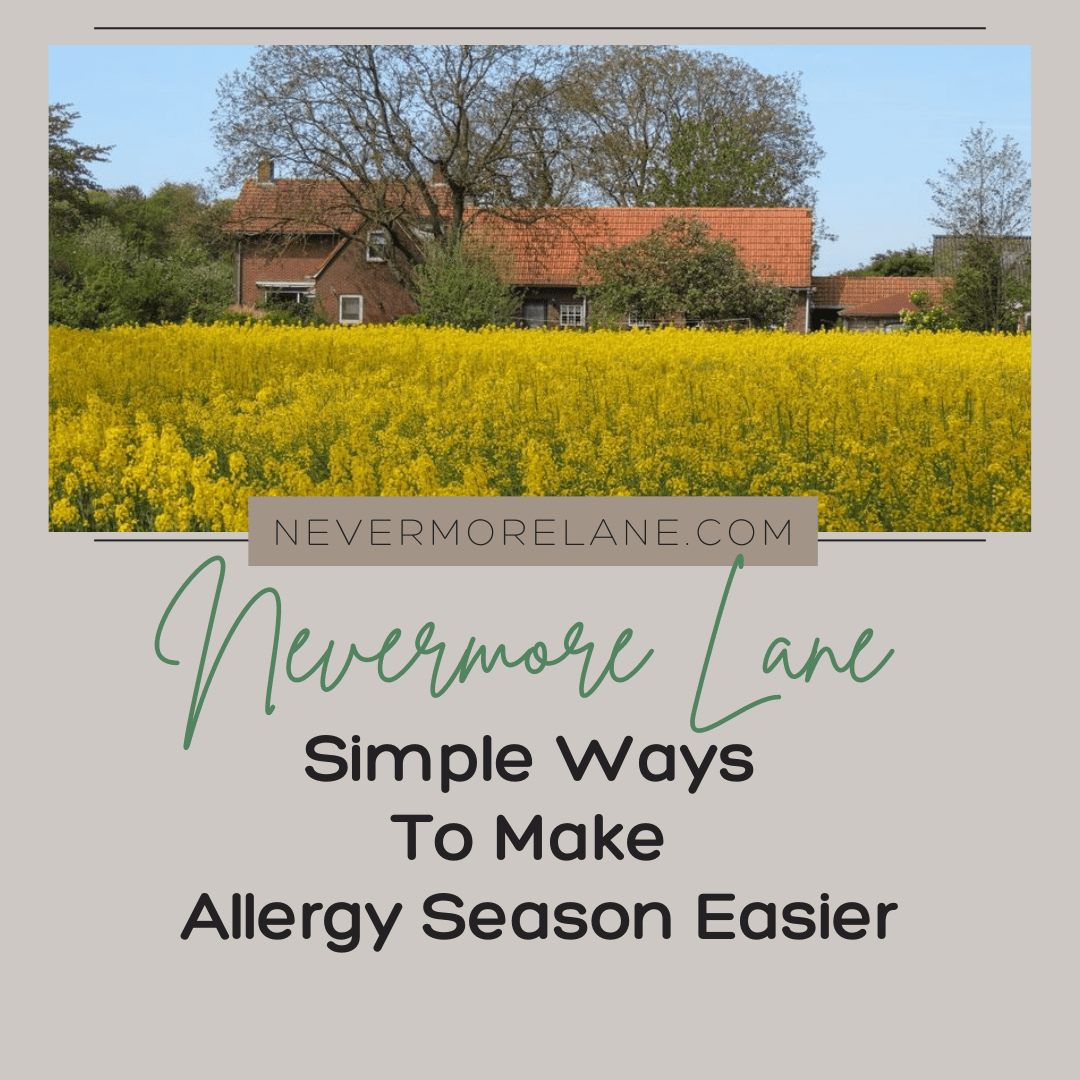
Allergy season has a sneaky way of turning a normal day into a sniffly, itchy, tissue-stuffed adventure. One minute you’re enjoying fresh air, and the next your nose is acting like it signed up for a drama club. The good news is that managing environmental allergies doesn’t have to feel confusing or overwhelming. If you know what sets you off and make a few smart changes at home and in your routine, you can make the season a lot more comfortable.
Why Symptoms Sneak Up
Environmental allergies often build quietly. You may not notice the problem right away because triggers like pollen, dust, mold, and pet dander are part of everyday life. They don’t exactly knock on the door first. They just drift in, settle down, and start causing trouble.
A lot of symptoms can feel surprisingly ordinary. You might have a runny nose, itchy eyes, sneezing, headaches, or a scratchy throat and assume it’s just weather changes.
When To Look Deeper
If your symptoms keep repeating, interfere with sleep, or make daily life feel harder than it should, it may be time to look beyond over-the-counter fixes. A proper evaluation can help you understand whether you’re reacting to pollen, mold, dust mites, or other environmental triggers that are easy to miss.
Antihistamines and nasal sprays can only mask so much, and once the same pollen, mold, or dust triggers keep circling back season after season, the smarter move is to retrain how your body responds to them in the first place. Subcutaneous immunotherapy, better known as allergy shots, does exactly that by introducing controlled doses of your specific triggers so the immune system slowly stops overreacting. That’s where options like allergy testing and treatments such as SCIT come into the conversation, giving you and your provider a long-term plan instead of another temporary fix.
You don’t need to wait until symptoms become dramatic. If you’re missing sleep, relying on tissues like they’re a personality trait, or avoiding normal activities because of flare-ups, those are good reasons to ask more questions. Small clues often point to a bigger pattern.
Your Home Can Help
Your home doesn’t need to become a spotless museum to feel better. A few simple changes can make a real difference. The goal is to lower the amount of stuff floating around that makes your body complain. Think less “perfect home” and more “sneezing less on the couch.”
Start with the basics. Wash bedding regularly in hot water and vacuum often, especially if you have carpets or pets. If dust is a big issue, try to keep surfaces clear so they’re easier to wipe down. Heavy curtains, piles of throw pillows, and forgotten corners can become tiny allergy hotels.
Bathrooms and kitchens deserve attention too. Moisture encourages mold, and mold loves to be an unwanted roommate. Use exhaust fans when possible and deal with leaks quickly. If outdoor pollen is high, taking your shoes off at the door can also help keep some of that mess from trekking inside with you.
Daily Habits That Matter
Sometimes the smallest habits do the biggest jobs. If you’ve been outside during high-pollen days, showering before bed can help keep pollen off your skin, hair, and pillow. Otherwise, you may spend the night sleeping right next to the thing that’s making your nose furious.
Changing clothes after outdoor activities can help too, especially during spring and fall. It sounds simple because it is simple, and simple often works. Keeping windows closed on heavy pollen days may not feel very romantic, but your sinuses probably prefer comfort over a dramatic breeze.
It also helps to check the daily pollen count if allergies tend to flare at certain times. That way, you can plan walks, yard work, or errands more carefully. You don’t have to stay inside forever. You just want to avoid charging into a pollen party without knowing the guest list.
Food, Sleep, And Stress
While food doesn’t magically erase environmental allergies, your everyday health habits can affect how worn down you feel. If you’re dehydrated, tired, and stressed, symptoms can feel much more annoying. Your body handles challenges better when you’re giving it some basic support.
Try to get steady sleep, drink enough water, and eat regular meals instead of running on snacks and chaos. A balanced routine won’t stop pollen from existing, sadly, but it can make rough days easier to handle. Even something as simple as a good bedtime can help you feel less foggy and cranky.
Stress matters more than people think. When you’re already irritated, stuffy, and tired, stress can make everything feel louder. You may notice more tension headaches or trouble focusing. A short walk, a quiet break, or a few minutes away from screens won’t cure allergies, but it can help you feel more like yourself.
Creating A Better Plan
The best allergy plan is usually a practical one you can actually stick with. That means paying attention to your triggers, noticing when symptoms spike, and using small habits that fit your life. Fancy routines are nice in theory, but consistency usually wins.
You might find that certain months are worse, certain rooms trigger symptoms, or mornings feel harder than afternoons. Those details matter. Keeping track of patterns can help you make smarter choices about cleaning, outdoor time, and when to reach out for medical support.
The goal isn’t to control every speck of dust in the universe. That sounds exhausting. The goal is to make daily life easier. When you combine home changes, better routines, and professional guidance when needed, allergy season feels a lot less like a full-time job and a lot more manageable.