How To Explore Regenerative Beauty Treatments Wisely
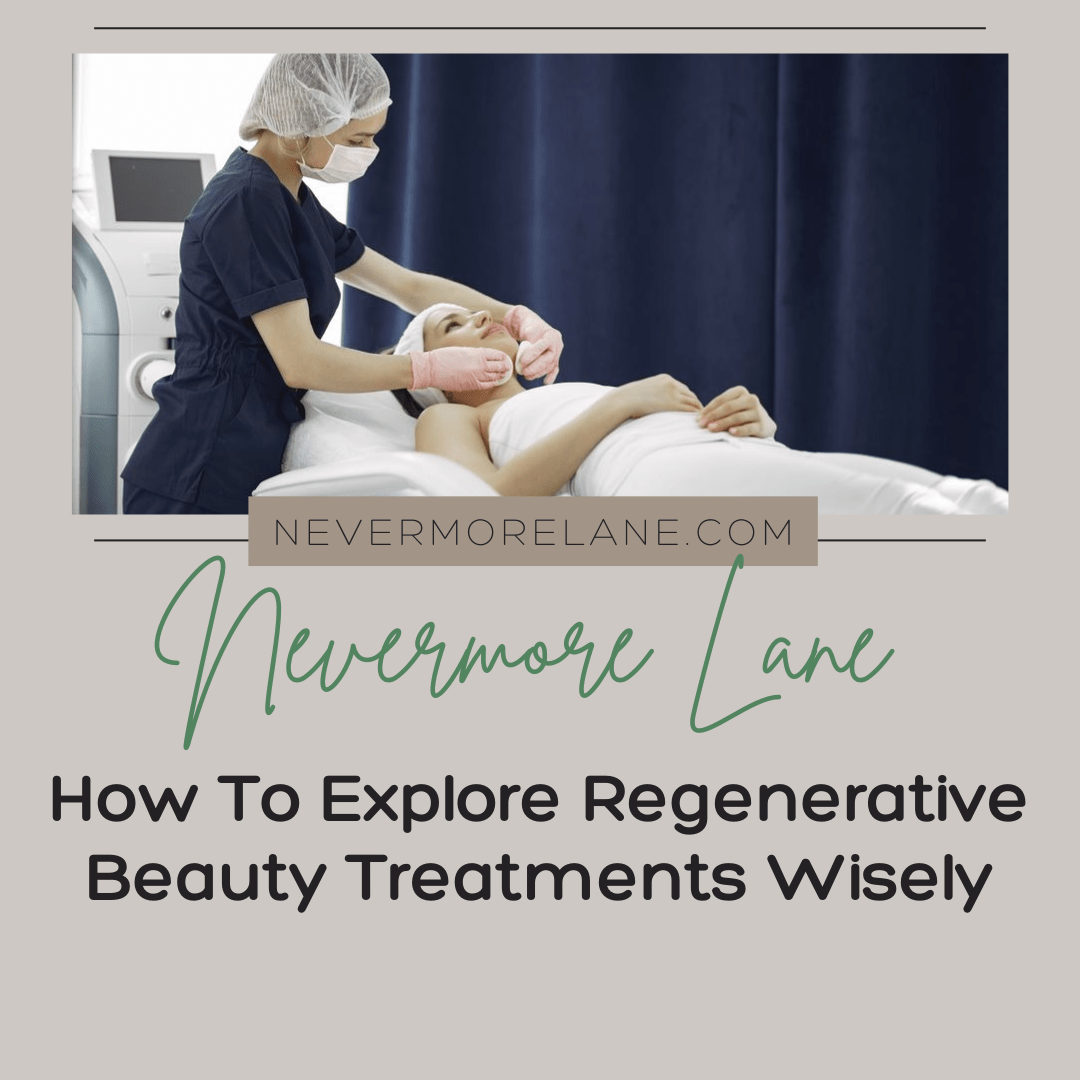
You’ve probably noticed that beauty and wellness treatments are starting to sound a little more natural and a lot less dramatic. Instead of chasing quick fixes, many people want options that work with the body and fit real life. That’s part of why regenerative treatments have become such a big conversation lately. If you’re in Tullahoma and trying to sort through the buzz, it helps to understand what these treatments actually do, what they don’t do, and how to decide if one belongs on your self-care radar.
Why People Get Curious
A lot of people aren’t looking to change their whole face or commit to anything extreme. You may just want your skin to look less tired, your hair to feel fuller, or your overall appearance to match how awake you feel after coffee finally kicks in. That’s where treatments with a more natural reputation start getting attention.
Another big reason is downtime. Many modern aesthetic treatments appeal to busy people because they can fit around work, errands, and normal life. You don’t want a beauty plan that requires you to hide from the world like a mysterious cave wizard for two weeks.
There’s also the appeal of gradual results. For some people, subtle improvement feels better than sudden change. A treatment that supports your body’s own repair process can sound less intimidating than something that seems overly aggressive. Curiosity often starts there, with the simple idea of looking refreshed without looking obviously “done.”
What PRP Really Does
Many people are looking for treatments that improve skin quality without relying on surgery or extensive downtime. As interest in regenerative aesthetic procedures continues to grow, options that work with the body’s own healing processes have become increasingly popular.
If you’ve been hearing about PRP injections in Tullahoma, it helps to know that this treatment is commonly used in aesthetic settings to support the body’s natural healing and renewal process. In simple terms, PRP stands for platelet-rich plasma, which is prepared from your own blood and then used in targeted areas to encourage rejuvenation.
That may sound a little sci-fi, but the basic idea is pretty easy to follow. Platelets contain growth factors, and those growth factors are often used to support skin and hair-related goals. In cosmetic treatments, PRP may be used for concerns like improving the look of skin texture or helping with thinning hair.
What makes it appealing is that it’s based on something from your own body rather than a mystery potion with a dramatic commercial voice-over. Still, it’s not magic. It’s a treatment option with a specific purpose, and it works best when you understand what it’s designed to help with before booking an appointment.
When It May Make Sense
This kind of treatment often makes sense when your goals are practical and fairly specific. Maybe your skin has started to look dull even though you’re sleeping decently and drinking enough water. Maybe fine lines are showing up like uninvited guests. Maybe your hair seems thinner around the temples or part line, and you’d like to address it early.
It can also appeal to people who want improvement without going straight to a more intense procedure. If you’re not ready for anything major but you do want to explore options that feel proactive, regenerative treatments can seem like a middle ground.
That said, this isn’t something you choose just because it’s trendy. It helps to have a clear reason. Good candidates usually know what bothers them and want a subtle shift, not a full identity reboot. If your expectations are realistic and your goals are easy to describe, you’re already asking the right questions.
Questions Worth Asking
A consultation should feel like a conversation, not a speed run. You deserve time to ask what the treatment is meant to do, how many sessions may be suggested, and what kind of results are realistic for your concerns. If someone speaks only in shiny promises, that’s your cue to raise an eyebrow.
A few useful questions include:
- What concerns is this treatment best for?
- How many appointments do people often need?
- When do results usually start to show?
- What does aftercare look like?
- How much discomfort should I expect?
You should also ask whether this option fits your skin or hair goals better than other treatments. Sometimes the best outcome comes from hearing, “This may help, but another approach might suit you more.” Honest guidance matters more than a hard sell. A provider who explains things clearly is often worth more than a flashy menu of services.
What Recovery Feels Like
Recovery is one of the biggest things people want to understand before trying any aesthetic treatment. In many cases, PRP-based appointments involve mild downtime, but that doesn’t mean you should expect to bounce out looking camera-ready five minutes later.
Some people notice temporary redness, tenderness, swelling, or sensitivity in the treated area. If the treatment is done on the scalp, your head may feel a little sore for a bit. If it’s used for facial rejuvenation, your skin might look slightly flushed or feel tight for a short time.
That’s why planning ahead helps. You may not need to clear your calendar for days, but it’s smart to avoid scheduling your appointment right before a major event, reunion, or fifty-photo family brunch. Give yourself a little breathing room. A provider should explain what’s typical, what products to avoid for a short period, and how to care for the area afterward.
Setting Real Expectations
One of the best things you can do is expect progress, not perfection. Treatments like this are often gradual. You may not notice a huge change overnight, and that’s normal. The body usually takes time to respond, especially when the goal is supporting natural renewal rather than creating an instant dramatic effect.
Results can vary for lots of reasons. Your age, skin condition, hair concerns, overall health, and consistency with follow-up care can all play a part. That doesn’t mean the treatment isn’t worthwhile. It just means your outcome is personal, not copied from someone else’s before-and-after photos.
It also helps to think bigger than one appointment. Healthy habits still matter. Good skincare, sun protection, stress management, and realistic timelines all support better results. A treatment can be a helpful tool, but it’s rarely the whole toolbox. When you approach it with patience, you’re less likely to feel disappointed by a process that was never meant to be instant.
Choosing A Good Fit
Picking the right treatment starts with picking the right provider. You want someone who explains things clearly, answers questions without rushing, and helps you understand whether the treatment matches your goals. Feeling comfortable matters. If the vibe is confusing or overly pushy, trust your instincts.
It also helps to think about your routine. Ask yourself whether you’re comfortable with the cost, the possibility of multiple sessions, and the time needed for follow-up or maintenance. A treatment can sound exciting, but it should still make sense for your life.
The best choice usually feels balanced. You understand what the treatment does, what it may help with, and what kind of patience it requires. That’s a much better place to start than chasing hype. When you choose with clear expectations and good guidance, you’re more likely to feel confident in your decision and happy that your self-care plan actually fits you, not just the internet’s latest obsession.