Creating a Sacred Outdoor Space for Reflection
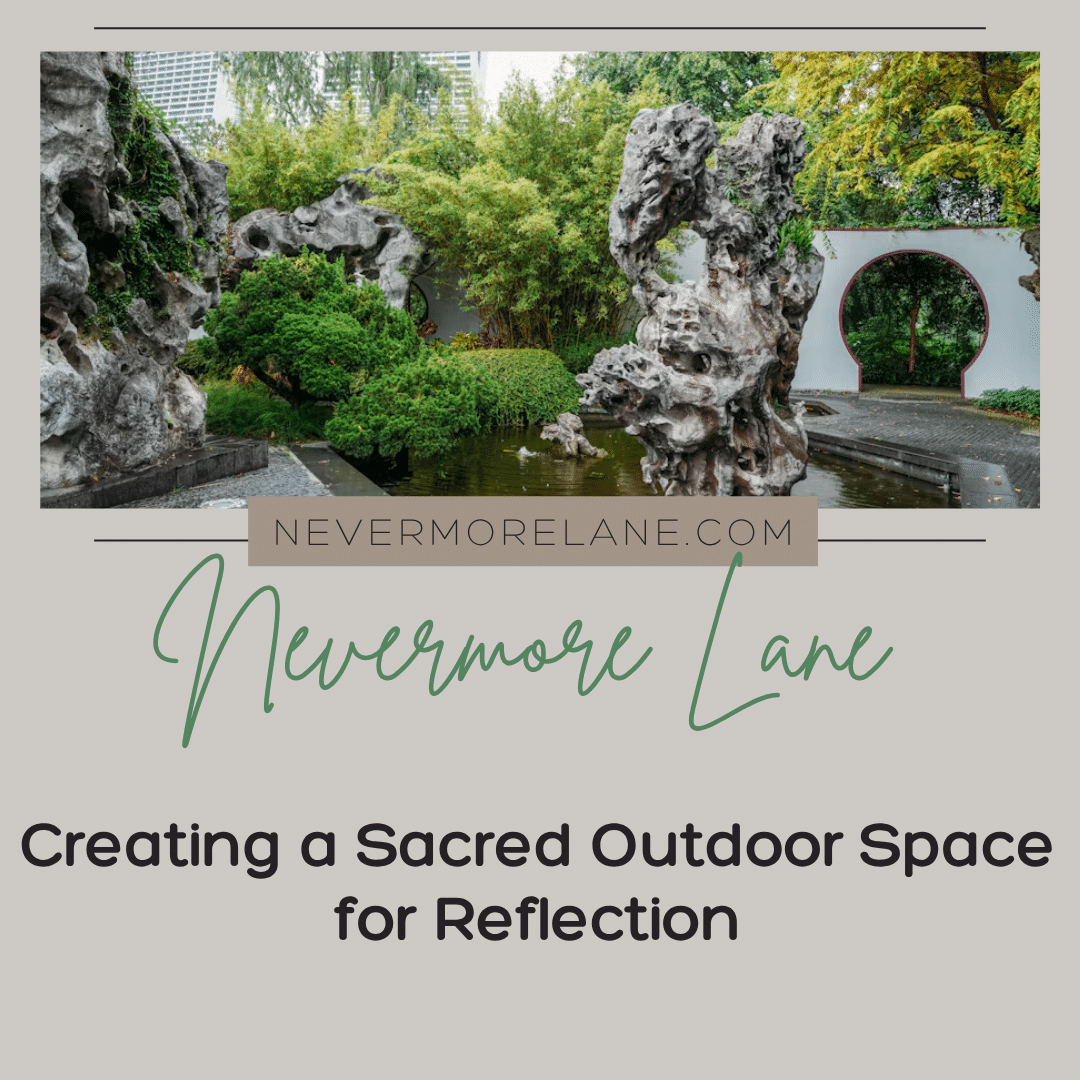
A sacred outdoor space gives you a dependable place to slow down, reflect, and reconnect with the natural world. It can occupy a large backyard or a quiet corner of a patio. What matters most is how the area supports your senses and daily rituals. Start with the space you already have, observe how it feels at different times of day, and shape it gradually around the kind of reflection you need.
Defining Your Personal Sanctuary
Decide how you want to use the space before choosing plants or furniture. You might want a private spot for morning journaling, evening meditation, or quiet tea. Spend several days noticing sunlight, shade, wind, and nearby sounds. A corner protected by shrubs may feel restful, while a sunny patio can suit an energizing morning practice.
Ideas for creating sacred spaces often begin with personal meaning. Choose one focal point that reflects yours, such as a smooth stone, small sculpture, or weatherproof bowl. Keep the layout simple enough that entering the area feels easy, even when you have only ten minutes.
Elements of a Tranquil Garden
Comfort comes first. Add a stable chair, bench, or outdoor cushion that lets you sit without shifting constantly. Place it where you can see greenery instead of a storage area or busy street. If privacy is limited, use a trellis, tall container plants, or an outdoor screen to define the boundary.
A thoughtful meditation garden design also considers movement and sensory details. A short path can slow your pace as you approach the seating area. Fragrant herbs, rustling grasses, and a shallow water bowl engage the senses without making the garden feel crowded. Solar lights can mark the path after sunset, but keep them soft and indirect.
Crafting the Green Foundation
Healthy planting creates the living foundation of your sanctuary. Begin with soil conditions and local climate, then select plants suited to the available light and moisture. In warm regions where turf surrounds the garden, practical guidance on keeping grass healthy can help North Florida homeowners manage St. Augustine grass. Augustine grass around their reflective space.
Group plants with similar watering needs so care stays manageable. Native flowers and shrubs often handle local weather well while providing shelter and food for pollinators. Use evergreen plants for year-round structure, then add a few seasonal bloomers for changing color. Leave enough room between young plants for their mature size, which improves airflow and reduces future pruning.
Infusing Energy and Intention
Give the space a small ritual that signals your time there has begun. You could ring a gentle chime, take five measured breaths, or write one sentence in a garden journal. Repetition helps the mind associate this particular place with stillness.
Objects can hold personal meaning without filling every surface. A stone collected during a memorable trip or a planter inherited from family may carry more emotional weight than several new decorations. The ideas in creating everyday sanctuaries can help you connect your outdoor refuge with calming habits inside the home. If an item no longer feels meaningful, remove it and let the space evolve with you.
Seasonal Care for Enduring Beauty
Set aside 15 minutes each week for light upkeep. Sweep the path, remove damaged leaves, and check containers for dry soil. Small, regular tasks prevent maintenance from taking over the reflective purpose of the garden.
At the start of each season, inspect seating, lights, and stepping surfaces. Clean slick growth from paths, tighten loose furniture, and replace cracked pots before they become hazards. During hot weather, water early in the morning to limit evaporation. In colder months, store delicate cushions and move sensitive container plants to shelter.
Let seasonal change remain visible. Fallen leaves, bare branches, and fading seed heads can bring texture and remind you that rest is part of every natural cycle. When the space feels settled, sit down for a few quiet minutes before putting away your gardening gloves.
Image Credit: Unsplash