How Often Should Exterior Siding Actually Be Repainted?
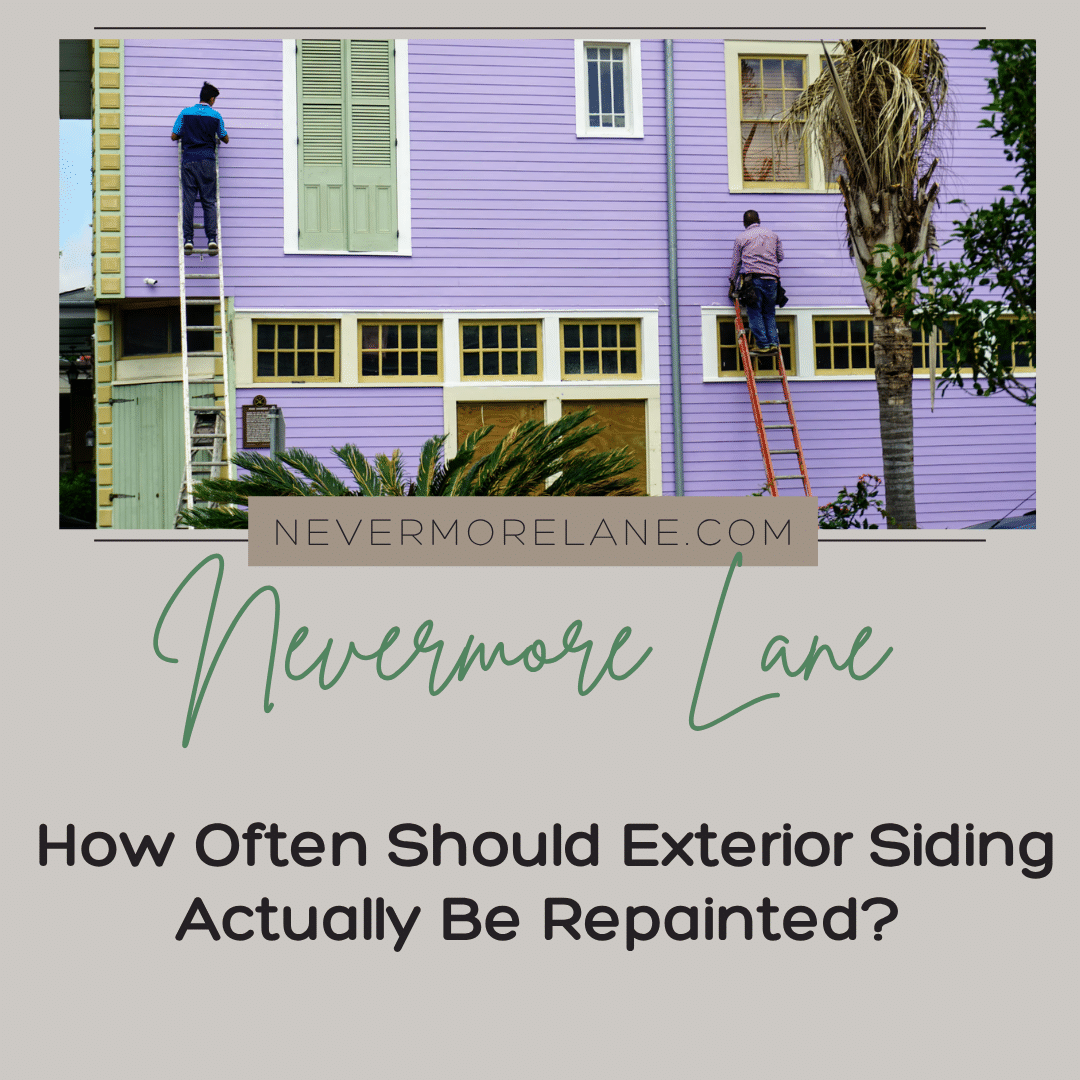
Exterior paint protects siding from sunlight, moisture, and everyday weathering, but that protective layer won’t last forever. In fact, most homes need repainting every five to ten years, though siding material, climate, and previous preparation can shorten or extend that range. A fixed timeline offers a useful starting point, but regular inspections give you a more accurate answer. The condition of the finish, especially on the most exposed walls, should guide your maintenance decisions.
Typical Lifespans by Siding Material
Wood siding often needs repainting every three to seven years because it expands and contracts as moisture levels change. Stained wood may need attention even sooner. Aluminum siding commonly holds paint for five to ten years, while fiber cement can last seven to 15 years when prepared and coated correctly. Painted brick may last 10 years or longer.
Vinyl siding generally keeps its factory color for many years, but you may eventually need a compatible coating if fading becomes severe. Published exterior repainting timelines are useful benchmarks, though workmanship and surface preparation strongly affect the actual service life.
Weather Exposure and Sun Damage
Direct sunlight breaks down paint binders and pigments, which can leave south-facing and west-facing walls faded years before shaded walls show wear. Dark colors may reveal fading and heat-related stress more quickly. Wind-driven rain also tests joints, trim edges and areas around windows.
Homes in hot, sunny climates often require closer inspection and shorter repainting cycles. Uneven fading or early coating failure can signal that the finish is losing its protective qualities, so it’s worth checking the condition of the siding and trim before deciding on repairs. During your own inspection, compare exposed walls with protected areas under porch roofs. A clear difference in color or texture can signal that the finish is losing protection, so it’s important to prep the exterior for painting. If you’re weighing your options, you can also use https://easypeasypaintingcompany.com/painters-san-antonio as a reference when considering how local conditions affect exterior painting needs.
Visual Cues That Signal Renewal
Don’t wait for paint to peel across an entire wall. Small warning signs often appear first around trim, corners, doors, and window frames. Look for hairline cracking, bubbling, flaking, and areas where the coating feels rough or powdery. Chalky residue on your hand after rubbing the siding indicates surface breakdown, though some chalking is normal as paint ages. For more context, see http://nevermorelane.com.
Faded color alone may be cosmetic, but exposed siding or widespread adhesion loss calls for quicker action. Guidance on exterior paint longevity also emphasizes factors such as climate and surface preparation. Photograph questionable areas every few months so you can tell if the damage is spreading.
Protecting Structural Integrity Early
Damaged paint allows water to reach vulnerable siding and trim. On wood, repeated moisture exposure can cause swelling, splitting, and decay. Water may also enter through failed caulk around penetrations or gaps at adjoining materials. Repainting won’t repair these defects, so address them before applying a fresh finish.
Gently probe suspicious wood with a screwdriver and check for softness without forcing the tool into a sound surface. Replace deteriorated sections, reset loose boards, and renew failed exterior-grade caulk where appropriate. Clean mold and dirt before you begin. Early repairs keep a small maintenance issue from turning into siding replacement or water damage inside the wall assembly.
Planning Your Maintenance Schedule
Inspect the exterior twice a year, ideally in spring and fall, and after severe weather. Record the paint color, product line, application date, and areas that received repairs. These details help you estimate coating age and simplify future touch-ups.
Schedule a closer professional assessment when several walls show peeling, bare patches, or failed caulk. If damage remains limited to trim or one heavily exposed elevation, targeted maintenance may extend the life of the larger paint job. Keep in mind that dry weather and suitable temperatures help coatings cure properly, so plan work around the product manufacturer’s application range. Start your next inspection on the sunniest wall, where coating failure usually appears first.
Image Credit: Unsplash