What You Should Know About Full-Arch Dental Implants Before You Commit
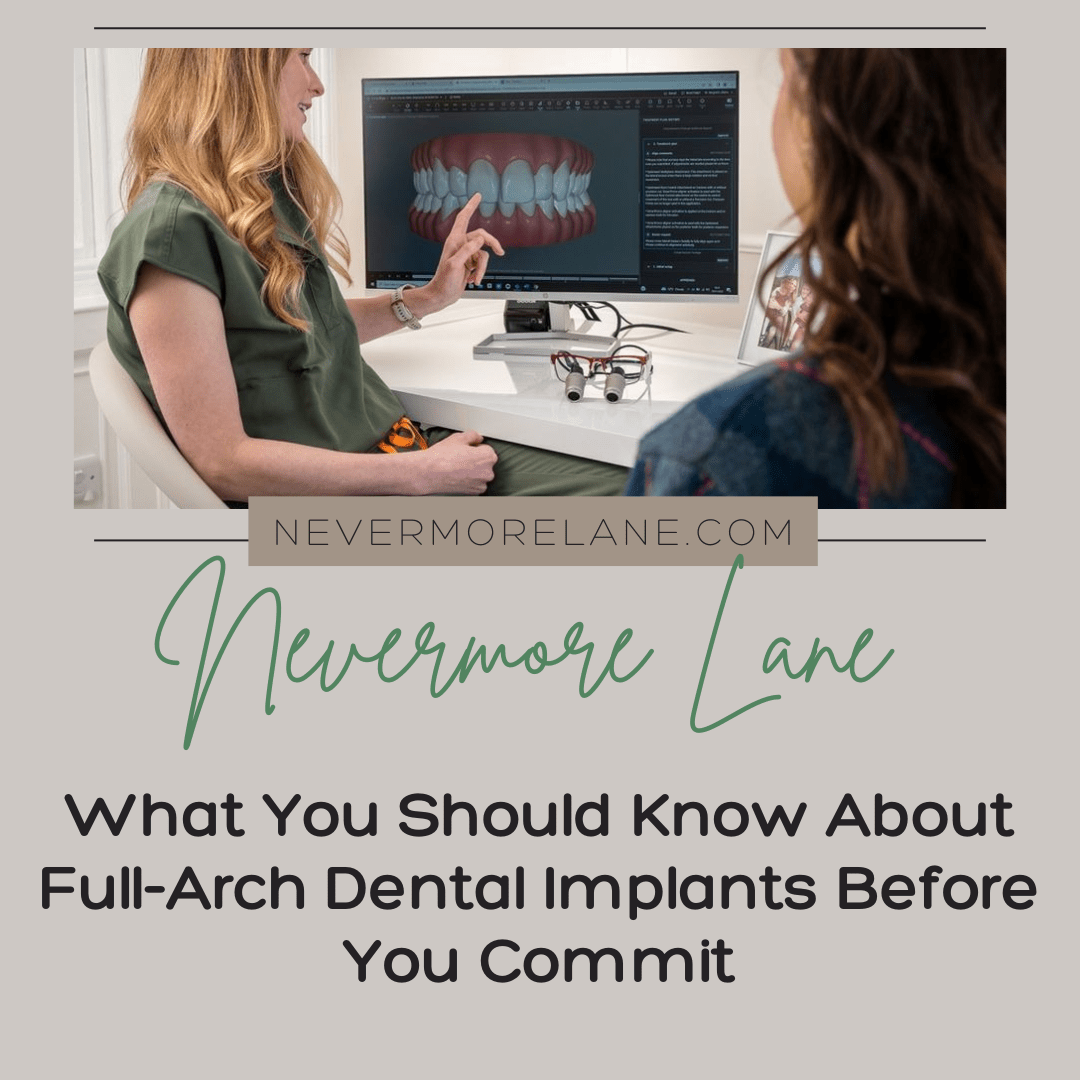
Losing most or all of your teeth changes more than your smile. It can affect how you eat, speak, and even how confident you feel in everyday situations. If you’ve been looking into full-arch dental implants, you’ve probably noticed a mix of hopeful promises and confusing jargon. A clear breakdown helps. Once you understand the process, costs, benefits, and tradeoffs, the whole decision starts to feel much less intimidating.
Cost Questions Matter, and They Should
Full-arch dental implants are a major investment, so asking direct money questions is smart, not awkward. The total cost can vary based on how many implants you need, whether extractions are required, what materials are used, and whether prep procedures are involved.
You should also ask what the quoted number includes. Some offices bundle imaging, temporary teeth, sedation, surgery, and final prosthetics. Others list them separately, which can make one option look cheaper until the math catches up.
Affordability can improve when clinics use streamlined systems or pricing structures. For example, Optima’s Stabili-Teeth® can save patients up to 40% compared with more traditional full-arch implant approaches, which makes cost comparisons especially worth your time.
A cheaper price shouldn’t be your only filter, but a vague quote shouldn’t get a free pass either.
What Full-Arch Dental Implants Actually Are
Full-arch dental implants replace an entire upper or lower row of teeth using a set of implants that support a fixed prosthetic arch. Instead of replacing each missing tooth with a separate implant, your dentist places a smaller number of implants into the jawbone to hold the full set in place.
That setup matters because it often gives you more stability than traditional dentures. You’re not dealing with adhesive, slipping, or the quiet panic of biting into something crunchy in public. The replacement teeth are designed to stay put.
You’ll usually hear terms like “implant-supported bridge” or “full mouth restoration.” Same general neighborhood, different signs on the buildings. The main idea stays simple: a secure, long-term solution for major tooth loss.
Who Usually Considers This Treatment
You might look into full-arch dental implants if you’ve lost most of your teeth, have several failing teeth, or struggle with dentures that feel loose or uncomfortable. Some people reach this point after years of dental problems. Others get there faster because of injury, gum disease, or severe decay.
Age alone doesn’t make or break your eligibility. Plenty of younger adults need major restorative treatment, and many older adults are excellent candidates. What matters more is your jawbone health, gum condition, medical history, and overall oral hygiene habits.
A consultation often includes X-rays or 3D scans, plus a conversation about your goals. If you want to eat more normally, stop dealing with denture movement, or improve speech and appearance, this treatment may be on your radar for good reason.
The Biggest Benefits People Notice First
The most immediate benefit is stability. Fixed implant arches don’t move around the way removable dentures can. That changes everyday things quickly, from chewing sandwiches to laughing without second-guessing yourself.
Many patients also notice stronger bite function. You may be able to eat a wider variety of foods, including some that become annoying or nearly impossible with traditional dentures. Apples, steak, crusty bread, and salad stop feeling like dental obstacle courses.
There’s also the bone-support angle. Implants stimulate the jaw in a way dentures don’t, which can help reduce bone loss over time. That matters for both oral health and facial structure.
Then there’s convenience. No nightly soaking routine. No sticky adhesive. No awkward “hold on, my teeth are acting weird” moments. Daily care still matters, but the experience tends to feel far more natural.
The Treatment Process Is More Involved Than the Ads Make It Sound
It’s easy to see polished before-and-after photos and imagine a fast, simple transformation. Real life tends to be a little more layered. Your treatment may involve extractions, imaging, bone evaluation, implant surgery, healing periods, temporary teeth, and final restoration placement.
Some patients qualify for same-day temporary teeth after implant placement. Others need additional procedures, such as bone grafting, before moving forward. Healing time varies depending on your oral health and the specific treatment plan.
You’ll also need follow-up visits. Those appointments aren’t optional filler. They help your provider monitor healing, check implant integration, and fine-tune fit and function.
The process can feel long, but long doesn’t automatically mean bad. It usually means the treatment is being built to last, not rushed for the sake of marketing sparkle.
Questions You Should Ask Before Choosing a Provider
Not all implant cases are planned or delivered the same way, so your provider choice matters a lot. Start with experience. Ask how often the dentist performs full-arch cases and whether they handle both the surgical and restorative phases or coordinate with specialists.
You’ll also want details about technology. 3D imaging, digital planning, and guided surgery can improve precision. That doesn’t guarantee perfection, though it usually signals a more modern workflow.
Ask practical questions, too:
- – What is included in the treatment estimate?
- – Will you receive temporary teeth?
- – How long is healing expected to take?
- – What kind of maintenance will be required?
- – What happens if an implant fails or needs adjustment?
If answers sound slippery, overly salesy, or weirdly rehearsed, trust your instincts. Good providers explain clearly and don’t act offended when you ask how the whole thing works.
Recovery and Aftercare Are Part of the Real Commitment
Getting implants is one step. Taking care of them is the long game. Right after surgery, you may have swelling, soreness, dietary restrictions, and a short list of instructions that suddenly feels very important. Soft foods usually become your temporary personality.
Healing is more manageable when you follow directions closely. That includes medications, cleaning routines, and avoiding habits that can interfere with recovery, such as smoking. Skipping aftercare because you “feel fine” can create expensive problems later.
Long term, full-arch implants still require excellent hygiene. You’ll need to clean around the prosthetic carefully and keep up with professional checkups. Implants can’t get cavities, but the surrounding tissue can absolutely run into trouble.
Think of the result as low-maintenance compared with dentures, not zero-maintenance. Your future self will appreciate the distinction.
How to Decide if It’s the Right Move for You
A good decision usually comes from balancing function, health, cost, and lifestyle. If you’re tired of unstable dentures, embarrassed by missing teeth, or dealing with repeated dental breakdown, full-arch implants may offer a real upgrade in day-to-day life.
Still, no treatment is magic. You need enough bone support or a realistic plan to address it. You need a provider you trust. You need a budget that accounts for the full scope, not just the headline number. And you need to be honest about whether you’ll keep up with maintenance.
The best next step is a consultation focused on your actual mouth, not generic internet promises. Once you have imaging, a treatment plan, and a clear cost breakdown, the picture gets much sharper. Big dental decisions feel less overwhelming when the facts finally stop hiding behind glossy brochures.