Planning a Better Outdoor Concert Night
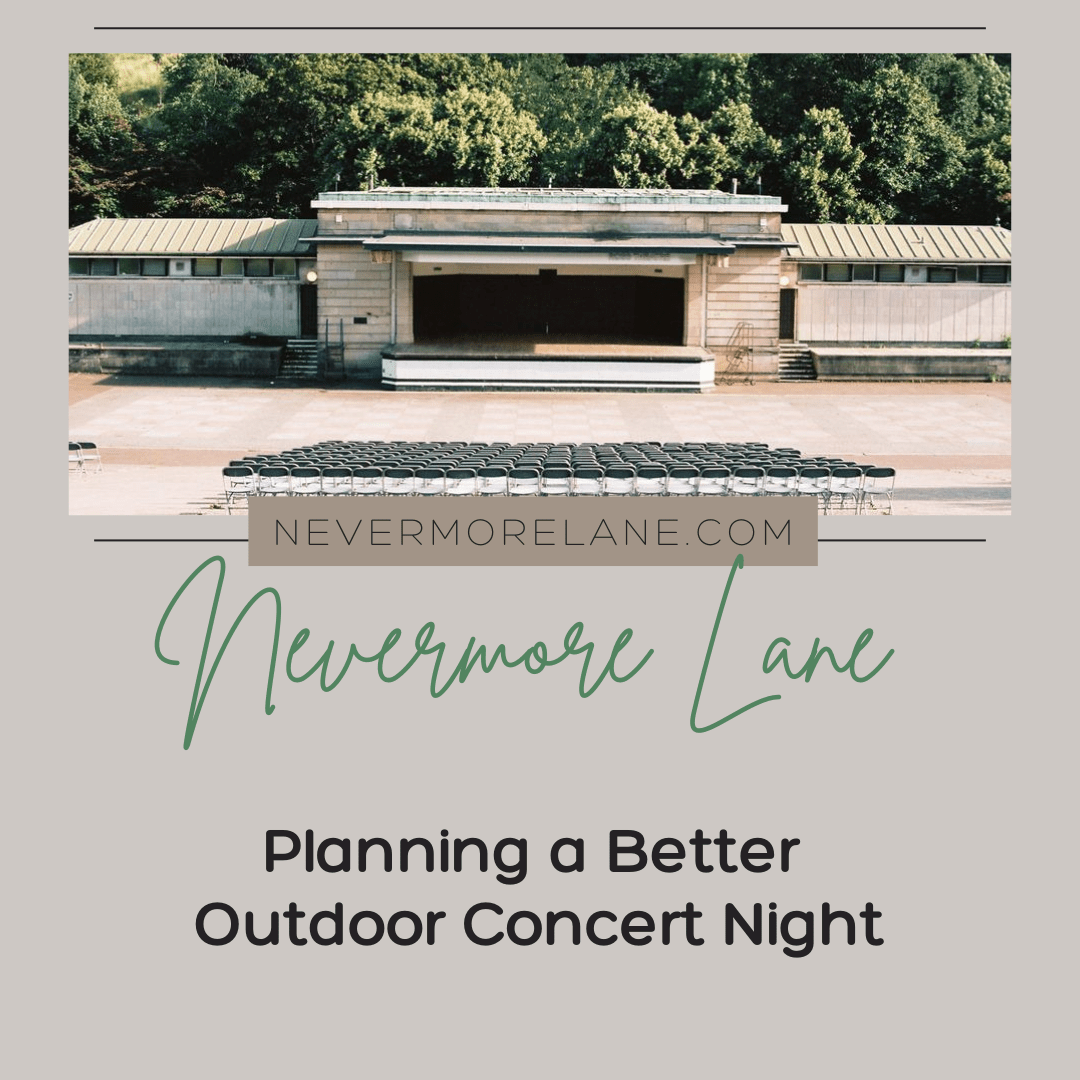
An outdoor show is a different experience from a night in a closed arena. The music carries across open ground, the sky changes color behind the stage, and the surrounding landscape becomes part of the performance rather than something you leave behind at the door. That openness is the appeal, and it is also the reason a little planning goes a long way. Weather shifts, seating works differently, and the small decisions you make before you leave the house shape how the whole evening feels.
Getting Your Spot Sorted Early
Popular outdoor dates tend to fill in fast, and the good positions go first. Waiting until the week of the show usually means paying more for a worse view, or missing the date entirely and settling for a night you were not that excited about. The simplest way to avoid that is to find seats for upcoming shows at KettleHouse Amphitheater event tickets well ahead of the date you want. Sorting this out early also lets you choose between general admission, reserved seating, and box or pit options rather than taking whatever is left.
Reading the Weather Before You Commit to an Outfit
Open-air venues have no roof, and that changes what you wear. An afternoon that starts warm can turn cool once the sun drops, especially at sites near water or in mountain valleys where the temperature falls quickly after dark. Checking the forecast the morning of the show is worth the two minutes it takes.
Layers solve most of this. A light jacket or an extra shirt tied around your waist takes up no space and makes the difference between enjoying the encore and counting down to the parking lot. A packable rain jacket or poncho is also a sensible addition, since summer weather can turn without much warning. Many venues allow a towel-sized blanket or a small cushion, which serves double duty as warmth and as something to sit on if you are on open ground.
Working Out How You Will Get There and Back
Transportation deserves more thought than it usually gets. Parking at open-air sites is often limited and fills quickly, so arriving early is less about eagerness and more about practicality. If you drive, giving yourself a buffer means you settle in without rushing.
Rideshare removes the parking problem entirely, and most venues designate a specific pickup and drop-off point rather than letting drivers stop wherever they like. Finding out where that point is before the show ends saves a frustrating search in the dark. Ridesharing is also the sensible choice if you plan to drink, since it takes the question of driving off the table completely.
Public transit is worth checking too. A nearby bus stop can cut costs significantly, though schedules for late-finishing shows are worth confirming in advance so you are not stranded after the last song.
Knowing What You Can Bring
Bag policies at outdoor venues are stricter than most people expect, and being turned away at the gate with something in your hands is an avoidable annoyance. A few patterns hold true almost everywhere.
Sunscreen is generally allowed in lotion form but not in spray cans, since pressurized containers are usually prohibited outright. Empty water bottles are commonly permitted so you can refill inside, while full bottles, coolers, and flasks are not. Outside food and drink are typically not allowed at all.
Seating rules tend to be specific. A small blanket, cushion, or low stadium seat is often fine, while folding chairs, bean bags, and anything with legs are usually turned away. Phones are normally the only electronic device permitted.
The prohibited list also covers weapons of any kind, bikes, strollers, skateboards, inflatables, and anything that can be thrown, including frisbees, balls, and glow sticks. Signs, flags, and umbrellas are commonly banned because they block the view for people behind you. Pets are almost never allowed. Expect a bag check and a security screening on the way in, and plan your arrival time with that in mind.
Timing Your Arrival
Showing up roughly an hour before the scheduled start is a reliable default. That window absorbs traffic, parking delays, and the security line, and still leaves time to find your spot, visit the merchandise table, and get food or a drink before the first note.
Arriving early also gives you the better half of the experience that most people skip. Watching the light change over an open venue as the crowd fills in is part of what makes outdoor shows worth the extra planning, and it is the part you miss entirely if you are still walking in when the set begins.
Handling Payment and Concessions
Many venues have moved to a largely cashless model, where most vendors accept cards and digital wallets rather than bills. Bringing a card is essential, but carrying a small amount of cash is still a good idea for tipping and for the occasional vendor operating outside the main system.
Concessions typically cover both non-alcoholic and alcoholic options, and if you intend to buy alcohol, a valid ID is not optional. Keeping it somewhere accessible saves you from digging through a bag at the counter.
Making a Day of It
One of the advantages of an outdoor venue is that it usually sits somewhere worth spending time. Rivers, trails, and open country are often within a short drive, which means the show can be the finish to a full day rather than the only thing on the schedule.
Floating a calm stretch of river, taking a short scenic walk, or picking a longer trail if you want the challenge all fit neatly into an afternoon. The trick is timing your return so you are not rushing to change and eat before doors open. Building in a bit of slack at both ends of the evening keeps the whole thing relaxed.
Giving Yourself Room Afterward
Post-show traffic clears slowly, and trying to be first out rarely works. Waiting fifteen or twenty minutes, finishing a drink, and letting the crowd thin usually gets you home no later and in a considerably better mood. A flexible plan for the end of the night is the last piece of a well-planned outdoor concert.