What to Look for When Buying Concrete Pavers: A Quality Checklist
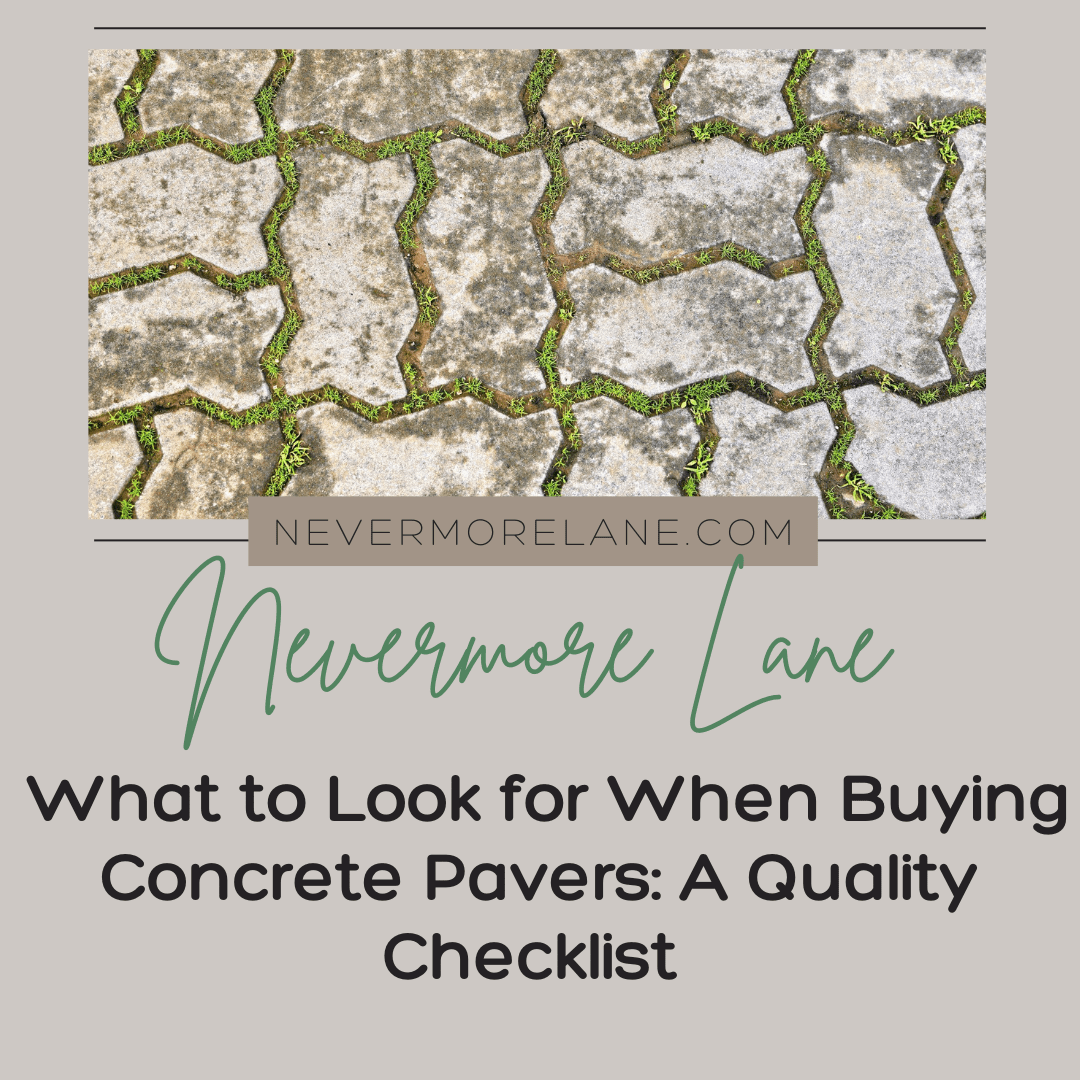
Concrete pavers look remarkably similar laid out in a showroom display, and that similarity is precisely what makes the selection process more consequential than most homeowners expect. The difference between pavers that hold their color, resist cracking, and maintain a clean surface for decades and those that fade, chip, and shift within a few years is rarely visible at the point of purchase. It only becomes apparent after the installation has been completed and the weather, traffic, and seasonal changes have had time to reveal which set of pavers was actually built to last.
You’re experienced on-site, but specifying concrete pavers for a commercial project is a different challenge from what you’d tackle on a standard residential build. The problem is, when you go looking for guidance, most resources are written for homeowners laying a backyard patio, and suppliers will tell you everything “meets Australian standards,” or “meets American standards,” without explaining which standards actually matter for your application.
This checklist cuts through that. Whether you’re sourcing pavers for a school courtyard, shopping precinct, or mixed-use development, there are six key quality factors that separate a paver that performs from one that creates costly problems after handover. Before you pick up the phone, here’s what to look for.
1. Compressive Strength: The Number That Actually Tells You If It’ll Hold
Compressive strength measures how much load a paver can bear before it fails, expressed in megapascals (MPa). For residential use, 20–25 MPa is typically sufficient, but for commercial applications involving foot traffic, vehicle access, or heavy machinery, you need a minimum of 32 MPa, and often higher. The distinction matters because under-specified pavers will crack, spall, and deteriorate far ahead of schedule. When you’re speaking with a supplier, ask for the test certificate rather than just their word that it “meets commercial standards.”
2. Slip Resistance Rating: A Compliance Issue, Not Just a Safety One
Slip resistance is measured using the Pendulum Test Value (PTV), which rates how much friction a surface provides underfoot, particularly when wet. For commercial spaces like school pathways, shopping precincts, and carparks, Australian standards and WHS requirements mandate minimum PTV ratings depending on the environment and expected foot traffic. Getting this wrong isn’t just a safety risk; it’s a liability and potential compliance failure that can hold up your project sign-off. Always confirm the PTV rating for wet conditions and match it to your specific application before ordering.
3. Why Consistency Matters Across Hundreds of Square Metres
A sample paver can look perfect, but what arrives on a pallet across a large commercial order may tell a different story. Dimensional tolerances refer to the acceptable variation in a paver’s length, width, and thickness, typically ±2–3mm for a quality product. When tolerances are inconsistent across a batch, your team faces uneven joints, difficult laying patterns, and a finished surface that looks off. Ask your supplier for their tolerance specifications in writing, and check whether they manufacture to a controlled standard or source from multiple production runs.
4. The Reorder Problem Nobody Warns You About
Colour variation between production batches is one of the most common and most avoidable problems on commercial paving projects. It happens because pigment ratios, raw materials, and curing conditions shift slightly between manufacturing runs, meaning a reorder three months into your project may not match what’s already laid. Your safest move is to calculate your full quantity upfront, add a 5–10% buffer, and confirm with your supplier that the colour can be matched if additional product is needed. Working with a manufacturer like Atlas Paving rather than a third-party distributor gives you far greater control over colour consistency and custom colour matching from the source.
5. Load Rating for Your Specific Application
Not all pavers marketed as “commercial grade” are rated for the same conditions, and this is where vague product descriptions can get you into trouble. A paver suitable for a pedestrian plaza is not necessarily rated for a carpark with regular vehicle access, and neither may be adequate where occasional heavy plant or service vehicles operate. Load rating is determined by the paver’s thickness, strength, and the base design, so your specification needs to account for your project’s actual use case rather than a generic commercial category. When in doubt, slightly over-specifying is a far cheaper decision than replacing failed product after handover.
6. Warranty Terms and What They Cover
A quality concrete paver should come with a clear, written warranty, and the details matter more than the number of years on the cover page. Before you commit to an order, ask specifically what the warranty covers: structural failure only, or also colour fade and surface degradation? Find out what the claims process looks like and whether the manufacturer or supplier is responsible for resolution. Vague warranty language like “subject to correct installation” without defined standards is a red flag, and a reputable supplier will be specific about what they stand behind and why.
Specify With Confidence
“Meets standards” is the baseline, so your job is to go further and confirm the specs that actually matter for your project. Compressive strength, slip resistance, dimensional tolerances, colour consistency, load rating, and warranty terms: these six factors are what separate a sound commercial paving specification from one that creates problems down the track.
If you’re sourcing pavers for a commercial project in Perth, speak to a manufacturer who can back their product with full testing documentation and custom specifications rather than just a catalogue. That conversation will tell you everything you need to know.
Photo: pexels