Super Glue Gel vs Liquid: Which One Should You Use
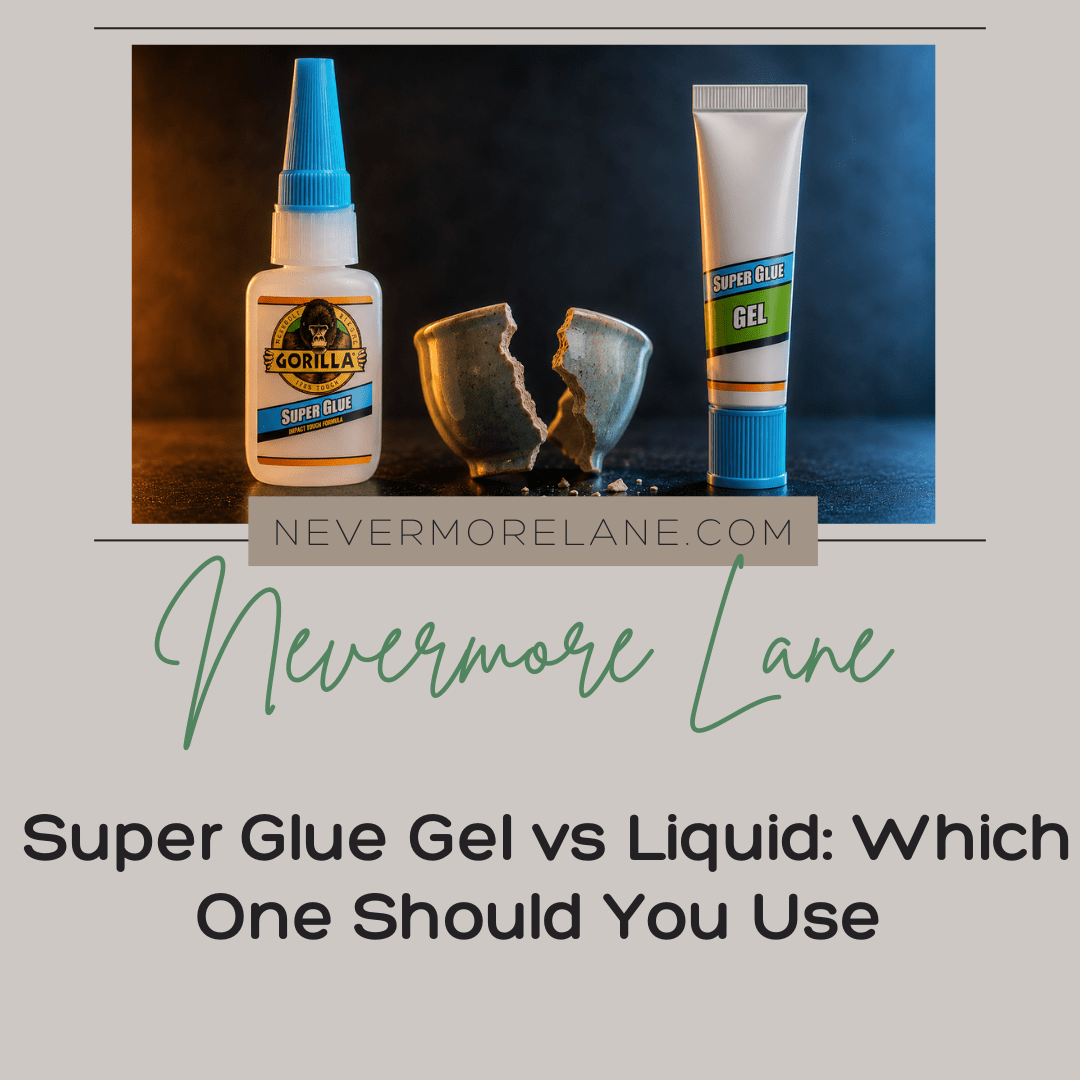
Picking up the wrong super glue is a mistake that usually only becomes obvious once the adhesive is running down your fingers or pooling on the surface you were trying to save. Most people choose based on price or what’s closest on the shelf, not knowing that gel and liquid super glues are built for completely different jobs.
Neither format is stronger or more reliable than the other. They just work differently, and matching the right one to your repair is what gets the job done cleanly. By the end of this guide, you’ll know exactly which one to reach for and why.
1. What Actually Makes Them Different
Gel and liquid super glue share the same adhesive formula, so you don’t need to worry about one being stronger or less reliable than the other. Liquid is thin and fast-wicking, meaning it flows into tight joints almost immediately and bonds on contact. Gel is thicker and slower-setting, so it stays exactly where you apply it without spreading or running. Your choice doesn’t change the strength of the final bond, only how the glue behaves while you’re applying it.
2. When Liquid Super Glue Is the Right Call
Liquid super glue works best when surfaces fit tightly together with no gap to fill. It’s designed for hard, non-porous materials like ceramics, metal, rigid plastic, and glass, where the thin formula wicks into the joint and creates a near-invisible bond. A cracked mug handle or a snapped piece of trim are exactly the kinds of repairs liquid handles cleanly. It sets quickly, so you don’t have to hold pieces together for long.
3. When Gel Super Glue Is the Right Call
Gel super glue is built for surfaces that are porous, uneven, or vertical, where a thin liquid would simply run off or soak in before bonding. It works well on wood, foam, fabric, leather, and rubber, making it the better option for shoe sole repairs or fixing a cracked wooden frame. The thicker formula sits on the surface and fills small gaps rather than flowing away from them, which gives you a more controlled application. You also get a few extra seconds to position your pieces before the bond sets, which makes a real difference when the repair needs a steady hand. For anything that doesn’t sit flat and flush, gel gives you the control that liquid can’t offer.
4. The Quick-Reference Rule (So You Never Guess Again)
A simple rule covers most repairs: tight fit, smooth surface, fast bond means reach for liquid. Gap to fill, rough or porous surface, needs positioning means reach for gel. A broken mug handle calls for liquid because the pieces fit snugly on a hard surface and the formula wicks in cleanly. A peeling shoe sole calls for gel because the material is flexible, slightly porous, and needs a moment to align before it holds. Keeping one of each in your toolkit means you’re covered for almost any household repair without second-guessing yourself in the hardware aisle.
The Right Glue Makes the Job Easy
Knowing which format suits your repair takes the guesswork out of the hardware aisle entirely. The Gorilla Glue super glue range covers both gel and liquid, so you have a reliable option ready for whatever repair comes up next. Most home repairs fall neatly into one category or the other, and you now have the framework to get it right every time.