What Homeowners Should Know About Wildlife Intrusions
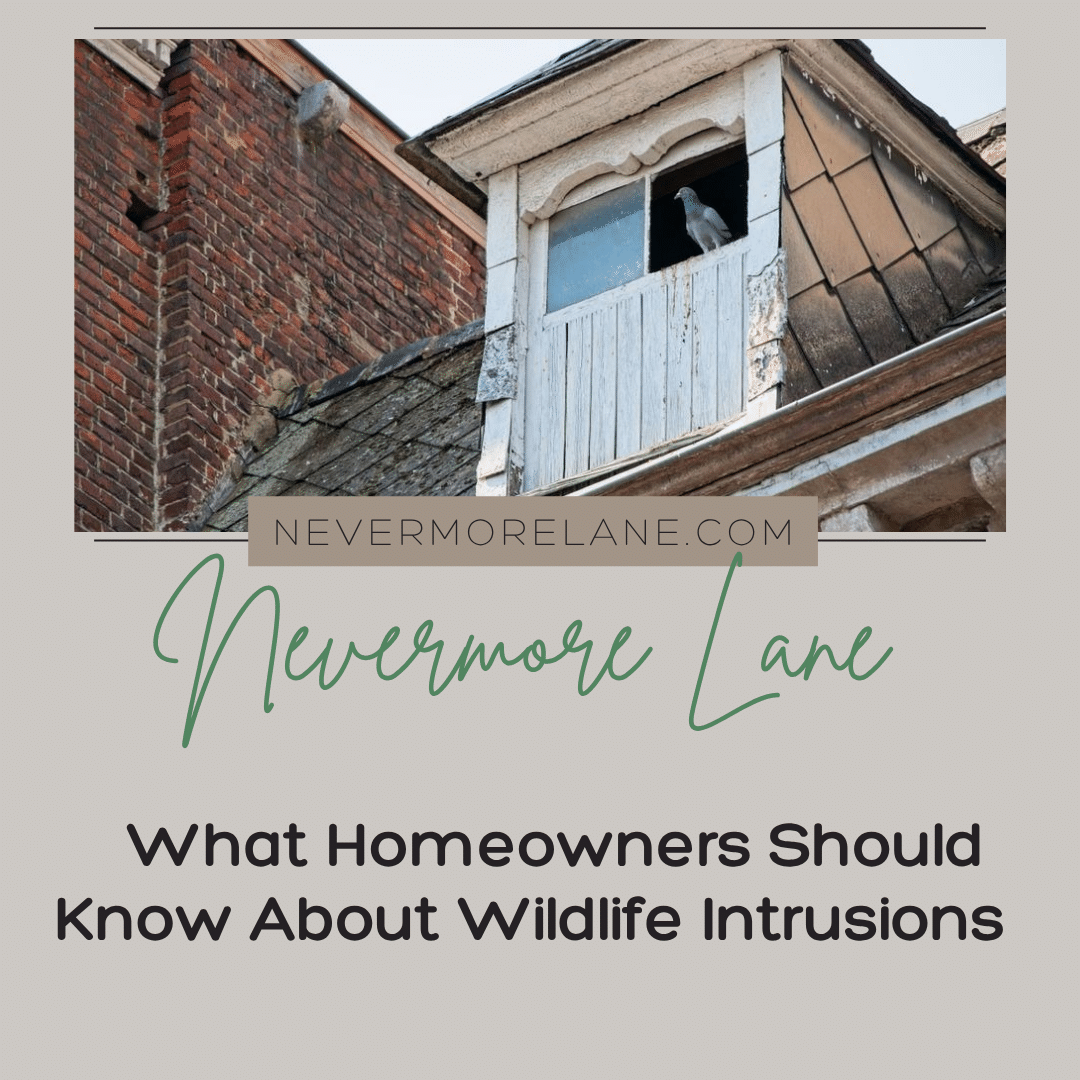
If you live in Trussville, you get the best of both worlds: green spaces, quiet neighborhoods, and quick access to Birmingham. You also get close contact with local wildlife. That sounds charming until scratching starts in your attic at 2 a.m. or something raids your crawl space like it pays rent. Knowing how to handle wildlife problems safely matters more than most homeowners expect, especially in an area where wooded lots and suburban homes sit side by side.
Why Professional Removal Often Saves You Money
Paying for expert help can feel annoying at first, especially if the problem seems small. Still, wildlife issues have a talent for becoming expensive when they’re handled halfway. Chewed wiring, ruined insulation, contaminated air, and structural damage can pile up quickly.
That’s where wildlife removal in Trussville becomes practical, not just convenient. Professional services usually inspect the home, remove the animal safely, and help close off the entry points so the same problem doesn’t repeat next month.
You’re not only paying for removal. You’re paying for:
– Species-specific handling
– Safer cleanup of droppings and nesting waste
– Damage assessment
– Exclusion and prevention work
– Less guesswork and fewer repeat visits
That package matters when wildlife has already turned part of your house into unauthorized housing.
Know the Signs Before the Problem Gets Bigger
Wildlife rarely makes a dramatic entrance. Usually, it starts with small clues that are easy to ignore. You might hear movement in the ceiling at dawn, notice insulation pulled apart, or catch a strong smell near the walls.
Other common signs include:
– Droppings in the attic, garage, or basement
– Grease marks near entry points
– Torn soffits or damaged vents
– Pet food disappearing from porches or mudrooms
– Strange chirping, scratching, or thumping sounds
In Trussville, raccoons, squirrels, bats, and rodents often enter homes through roof gaps, chimneys, and crawl-space openings. A tiny hole can become a full-on wildlife access lane. Once an animal settles in, damage tends to spread fast, especially when nesting materials and waste build up.
Don’t Try the DIY Hero Routine Too Quickly
When you find evidence of an animal inside your home, your first instinct might be to seal the hole and hope for the best. That can backfire badly. If young animals are still inside, the mother may tear through another area to get back in. If an animal gets trapped, the smell alone can turn a bad day into a weeklong nightmare.
Store-bought repellents also tend to promise more than they deliver. Wildlife isn’t easily impressed by peppermint spray and a motion light. Some animals return with the confidence of a tenant who knows the lease terms better than you do.
A smarter move is to identify the species, the access point, and the risk level before taking action. Safe removal depends on timing, behavior patterns, and local wildlife regulations.
Focus on Prevention Once the Animals Are Gone
Removal fixes the immediate problem. Prevention keeps your house off the neighborhood wildlife map. Most animals look for three things: shelter, food, and easy access. If your home offers all three, it becomes a repeat destination.
Start with the exterior. Check the roofline, vents, eaves, chimney caps, and crawl-space openings. Trim tree branches that hang close to the house. Secure trash lids tightly, and don’t leave pet food outside overnight.
Inside, stay alert to moisture issues and hidden damage. Damp crawl spaces and cluttered attics create inviting conditions for nesting. If you’ve had one intrusion, schedule periodic checks during seasonal changes. Spring and fall tend to be busy times as animals search for nesting sites or warmth.
A house doesn’t need to be rundown to attract wildlife. It only needs one weak spot and one determined raccoon.
Think About Health, Not Just Property Damage
Wildlife problems aren’t only about noise and repairs. They can also affect the air you breathe and the safety of the people inside your home. Droppings from bats and rodents may carry harmful pathogens. Parasites like fleas, mites, and ticks can hitch a ride into living spaces.
That risk matters even more if you have children, older adults, or pets in the home. Curious dogs and cats often investigate areas where wildlife has been active, which adds another layer of exposure.
Keep these health concerns in mind:
– Contaminated insulation and surfaces
– Respiratory irritation from droppings and urine
– Bite or scratch risks during surprise encounters
– Secondary pest infestations from nesting sites
Professional cleanup and exclusion can reduce those risks far more effectively than surface-level sanitizing. A quick sweep and a can of disinfectant won’t solve contamination buried in insulation or tucked behind wall cavities.