When Comfort Starts to Slip: The Warning Signs Your HVAC System Shouldn’t Ignore
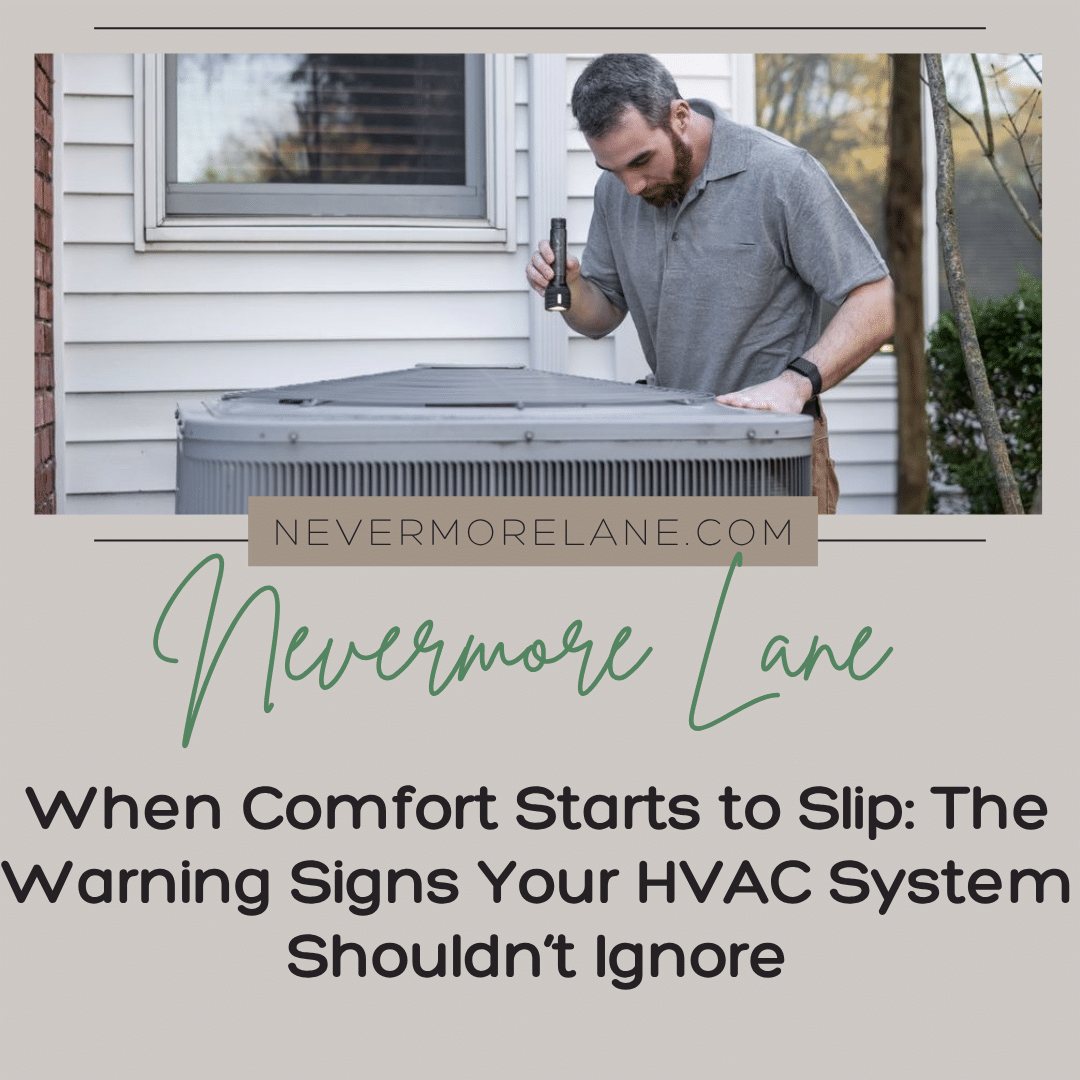
You rarely appreciate your heating and cooling system until something goes wrong. One room feels stuffy, another refuses to warm up, and your electricity bill suddenly demands an explanation. A properly functioning HVAC system does more than maintain a comfortable temperature; it also supports indoor air quality, controls humidity, and helps manage household energy consumption. In fact, heating and cooling account for nearly half of the energy used in a typical home, making system performance important for both comfort and costs. Recognizing early warning signs can help you address minor faults before they become expensive disruptions.
Rising Energy Bills May Reveal Declining Efficiency
An unexpectedly high utility bill can provide an early clue that something has changed. If your heating and cooling habits remain similar but energy costs continue climbing, your system may be using more power to deliver the same level of comfort.
Dirty coils, clogged filters, leaking ducts, incorrect thermostat readings, and worn components can all reduce efficiency. Weather changes and energy-rate increases can also affect bills, so avoid assuming that the equipment is responsible without considering other factors.
When homeowners compare repair options, maintenance needs, and professional HVAC services, they are often trying to determine why a system is operating less economically than before. The important question is whether the higher cost reflects normal seasonal demand or a problem that needs attention.
A technician can evaluate system performance and identify potential causes. Keeping previous utility bills and noting when the increase began may also help narrow down the issue. Catching a developing fault early can sometimes prevent additional wear and more expensive repairs.
Uneven Temperatures Can Point to Hidden Problems
A comfortable home should not have dramatic temperature differences from one room to another. If your bedroom remains chilly while the living room feels warm, your HVAC system may be struggling to distribute conditioned air evenly. Blocked vents, leaking ducts, malfunctioning dampers, inadequate insulation, and blower motor problems can all contribute to inconsistent temperatures.
Pay attention to how long your system takes to reach the thermostat setting, too. If it runs continuously without making the room comfortable, restricted airflow, refrigerant problems, or a failing component could be responsible. Sometimes, the equipment itself is working properly, but air escapes through gaps in the ductwork before reaching the rooms that need it.
These differences are worth investigating, especially when they develop suddenly or become more noticeable over time. Adjusting the thermostat repeatedly may provide temporary relief, but it will not resolve an underlying mechanical or airflow issue. A proper assessment can identify the cause and help restore consistent comfort without unnecessary energy use.
Unusual Sounds Are More Than Background Noise
Every heating and cooling system produces some operational noise. However, sudden changes in sound deserve attention. Banging, grinding, screeching, buzzing, and persistent rattling can indicate loose panels, worn bearings, electrical problems, or components that are struggling to operate correctly.
The type of sound can offer useful clues, although it cannot confirm a diagnosis on its own. Rattling might come from a loose cover or debris, while grinding could indicate a motor problem. A sharp buzzing sound may suggest an electrical fault that requires professional attention.
Rather than waiting for the noise to become unbearable, notice when it occurs and whether it changes during startup, operation, or shutdown. Switch the system off if you notice burning smells, smoke, or signs of electrical overheating, and seek qualified assistance. Never remove equipment panels or handle electrical components simply to investigate a suspicious sound.
Weak Airflow Can Leave Your Home Working Against You
When air barely emerges from the vents, your system may be struggling to circulate it effectively. A dirty air filter is a common cause because accumulated dust and debris restrict the movement of air. Blocked return vents, damaged ductwork, blower problems, and dirty coils can create similar symptoms.
Start with the filter, following the manufacturer’s instructions for inspection and replacement. Check that furniture, curtains, and other household items are not obstructing supply or return vents. If airflow remains weak after these simple checks, the problem may require a more thorough inspection.
Poor circulation affects more than temperature. It can interfere with humidity control, allow some rooms to become uncomfortable, and force the equipment to run longer than necessary. The result may be higher energy consumption without a meaningful improvement in comfort. Persistent airflow problems should therefore be treated as a performance concern rather than a minor inconvenience.
Odors and Humidity Changes Affect More Than Comfort
Your HVAC system influences how your home feels and smells. A persistent musty odor may indicate moisture around the evaporator coil, drain pan, or ductwork. Dusty smells can occur when heating equipment starts after a period of inactivity, but an odor that continues or repeatedly returns deserves investigation.
Burning plastic, strong electrical odors, or smoke should never be dismissed as ordinary operating smells. Turn the system off when it is safe to do so and arrange an appropriate inspection. If you suspect a gas leak or carbon monoxide exposure, leave the area and contact emergency services or the relevant utility from a safe location.
Humidity provides another useful clue. Air that feels unusually sticky may indicate inadequate dehumidification, while excessive dryness can reflect seasonal conditions or a system that is not managing indoor conditions effectively. Persistent moisture can encourage mold growth, so addressing the source matters more than masking the smell.
Frequent Starts and Stops Put Extra Strain on Equipment
Short cycling occurs when a system repeatedly starts and stops without completing a normal operating cycle. You might notice that the equipment runs briefly, shuts down, and starts again soon afterward. This pattern can waste energy, reduce comfort, and place additional stress on important components.
Potential causes include restricted airflow, thermostat problems, dirty coils, refrigerant issues, or equipment that is incorrectly sized for the home. Some systems also shut down automatically when safety controls detect abnormal operating conditions.
Avoid repeatedly resetting the equipment or changing thermostat settings in an attempt to force longer cycles. Instead, record how often the starts and stops occur and whether the problem affects heating, cooling, or both. That information can help a technician investigate the cause more efficiently.
An Aging System May Need a Different Strategy
Regular maintenance can also help you judge whether an older system still has useful life remaining. The U.S. Department of Energy’s guide to maintaining heating and cooling equipment explains how routine care supports performance and efficiency. Keeping service records and tracking recurring problems can make it easier to decide whether another repair is worthwhile or replacement is the more practical long-term choice.
Regular Attention Keeps Small Problems Manageable
Preventive maintenance cannot eliminate every breakdown, but it can help identify developing faults before they cause major disruption. Inspect filters regularly and replace them according to the manufacturer’s guidance. Keep vents clear, remove debris from around outdoor equipment, and pay attention to new noises, unusual smells, moisture, or changes in performance.
Seasonal professional inspections can also help uncover issues involving electrical connections, drainage, refrigerant levels, controls, and moving components. For additional guidance on managing household energy use, the Federal Trade Commission’s home heating and cooling advice explains practical ways to improve efficiency and reduce avoidable costs.
The goal is not to worry about every small change. It is to recognize patterns, respond appropriately, and seek help when symptoms persist or raise safety concerns. Your HVAC system does not need constant attention, but it should not be ignored until it fails completely. A little awareness today can mean fewer uncomfortable surprises, more predictable expenses, and a home that stays comfortable when you need it most.