Top 3 Instagrammable Places in the USA
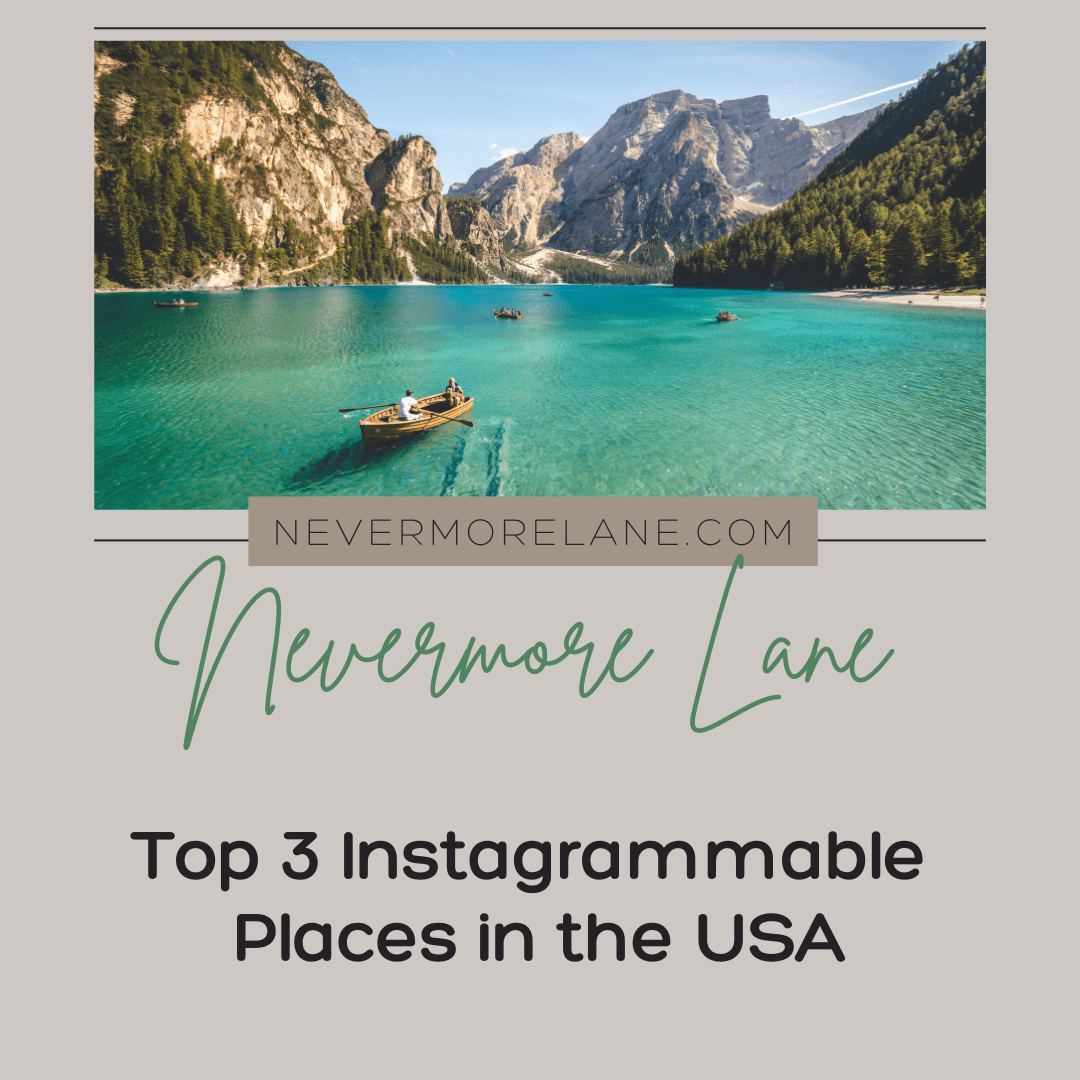
There is a particular kind of place that stops a person mid-step, not because a phone has been raised to capture it but because the landscape or the light or the improbable beauty of what is in front of them produces a response that precedes any thought about documentation. The United States holds more of these places than its size alone would suggest, a function of the geographic range that stretches from volcanic coastlines and ancient desert formations to dense urban skylines and old-growth forests that belong to an entirely different register of scale than anything most people encounter in daily life. The camera follows the impulse, not the other way around, and the places worth seeking are the ones that would stop a person regardless.
The conversation around Instagrammable destinations has been both useful and limiting in the way most aesthetic categories are: useful because it has directed attention toward places that genuinely reward visual engagement, and limiting because it has produced a version of travel organized around the image rather than the experience that generated it. The places that photograph most beautifully are not always the places that feel most extraordinary to be inside, and the distinction matters to the kind of traveler who wants the image to be an artifact of the experience rather than the purpose of it. What the best Instagrammable places in the country share is not a particular quality of light or a reliable compositional backdrop but a character vivid enough to translate across the distance between being there and seeing a photograph of it.
Three places in a country this vast is not a comprehensive list and was never meant to be. It is a starting point shaped by the specific combination of visual distinction, emotional resonance, and the quality of surprise that the most memorable travel tends to produce regardless of whether a camera is involved. The places that follow earned their place on this particular list not because they are the most photographed but because they are genuinely, unreservedly worth going to..
Why Antelope Canyon’s Sandstone Walls Are Nature’s Best Softboxes
Stepping into Antelope Canyon feels like walking inside a glowing sunset. When evaluating Antelope Canyon vs Horseshoe Bend for photography, this narrow slot canyon acts as nature’s own studio. The sweeping walls work as natural reflectors, bouncing sunlight back and forth to maximize deep color saturation on your screen. Midday visits unlock the ultimate prize: brilliant light beams piercing through the ceiling. To capture them perfectly on your smartphone, use these quick camera settings for vibrant travel photos:
- Flash Off: Preserves the natural color saturation instead of washing it out.
- HDR On: Balances the bright sky above with the dark rock below.
- Exposure Down: Deepens those rich, fiery orange tones.
That soft, bounced illumination also provides the best lighting for outdoor portraits, giving your skin a flattering, warm glow.
How the High Line Elevates Your Architectural Shots
The High Line offers the best urban architecture for photography, transforming a walking path into an effortless composition tool. Center the old iron tracks on your screen to pull the viewer’s eye toward the skyline. Photographers call this technique “leading lines,” making flat images instantly feel completely three-dimensional. Beyond structural symmetry, Brooklyn delivers vibrant street art backdrops. Make murals pop while hiding passing tourists by simply tapping your phone screen to focus purely on your subject. This creates background “bokeh”: a soft, professional-looking blur that melts crowds away. Pairing this with golden hour timing for urban photography bathes gritty streets in cinematic warmth. Finding hidden photo spots in New York City completes your portfolio. By this way, you can get thousands of new followers on Instagram.
How to Frame Horseshoe Bend for Maximum Impact
Capturing Horseshoe Bend’s massive curve demands more than a basic snapshot. To fit the entire canyon into your frame and create cinematic landscapes for social media, simply tap the “0.5x” wide-angle button on your screen. Dropping your camera low adds instant professional polish. Include textured red rocks at the bottom edge of your frame. These simple composition techniques for smartphone photography create a dramatic foreground, giving your image a striking 3D effect. Sunset skies easily turn blindingly white, but fixing this requires no expensive gear. Tap the brightest cloud and drag the sun icon down to lower exposure, revealing vibrant colors.
Your 3-Step Checklist for a Picture-Perfect Photography Road Trip
Planning a cross-country photography road trip requires minimal but crucial preparation to maximize your smartphone’s potential. Start here:
- Check the golden hour: Time your visits for optimal natural lighting.
- Pack a portable charger: Keep your camera powered through long shooting days.
- Download offline maps: Ensure reliable navigation in remote desert or canyon locations.
Why the Most Photogenic Places Leave Something the Camera Cannot Carry Back
The images come home. The feeling of being inside a place extraordinary enough to stop movement and silence thought for a moment does not transfer through a screen the way the colors and the composition do, and that gap between the photograph and the experience it documents is not a failure of photography. It is an argument for going. No image of a place that earns genuine wonder communicates the quality of the air, the scale that makes a person feel correctly sized against something larger, or the specific silence that extraordinary landscapes and extraordinary urban spaces share in their best moments, the silence that arrives not from the absence of sound but from the presence of something worth being quiet for.
The places in this country that photograph most beautifully are the ones with enough genuine character to survive the distance between being there and seeing a representation of it. That character is worth trusting as a travel compass, not because the image validates the destination but because the destination produced the image in the first place. The camera followed the impulse. The impulse is what is worth pursuing, and the United States has more places capable of producing it than a lifetime of intentional travel could fully exhaust.
Photo Source