The Role of Massage Therapy in Creating a Calm, Pain-Free Daily Routine
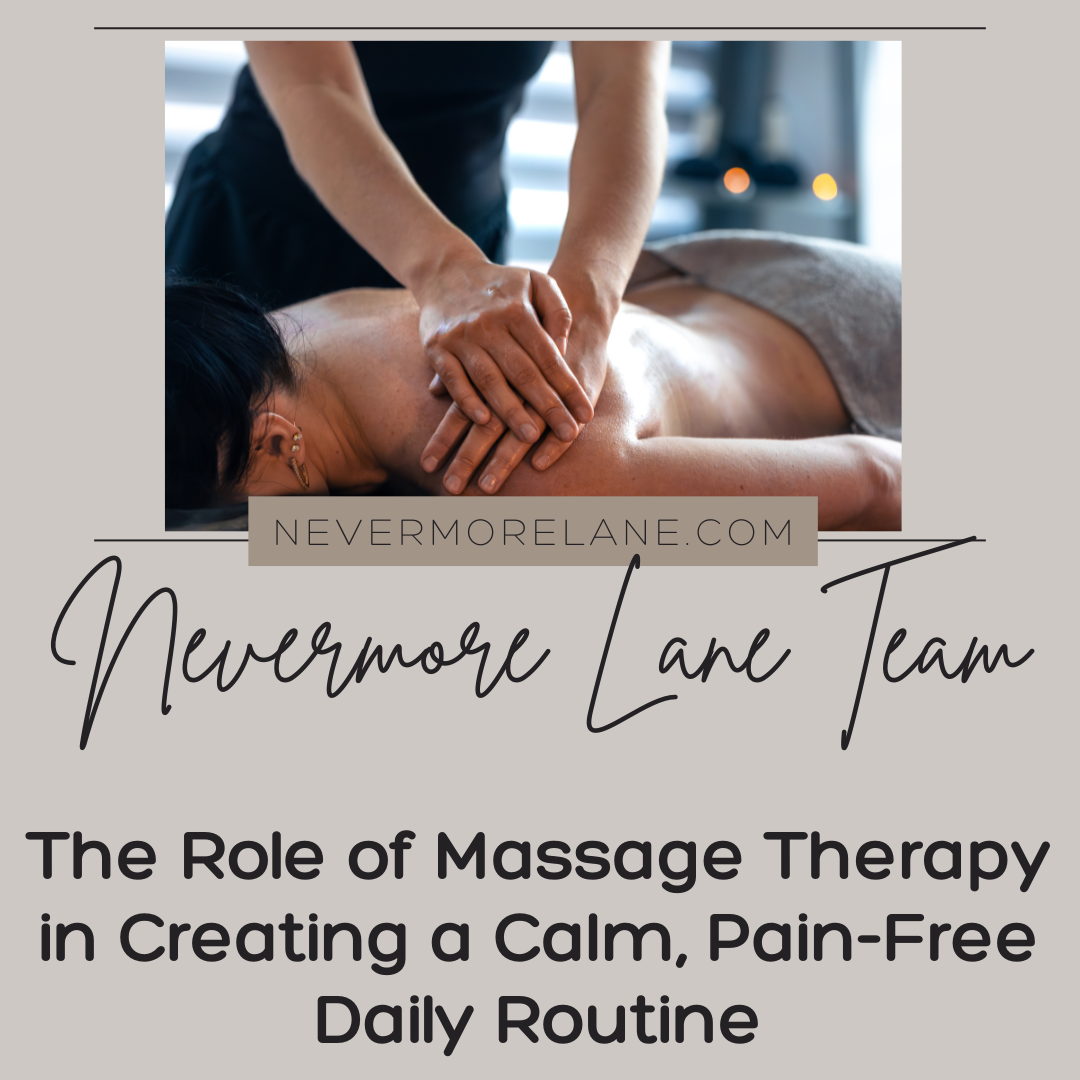
The shoulders carry tension like a permanent accessory that never gets removed. The lower back aches from sitting at desks designed for bodies that apparently don’t exist. Headaches arrive with such regularity that they seem like personality traits rather than symptoms of something wrong. Pain becomes background noise so constant that noticing it stopped happening years ago. The new normal involves functioning despite discomfort rather than actually feeling good in the body that carries everyone through each day.
Most people address chronic tension and pain reactively through occasional massages treated as luxury indulgences rather than necessary maintenance. The spa day happens when stress peaks or pain becomes unbearable. The massage feels wonderful for a few days. Then everything returns to baseline dysfunction until the next crisis justifies another appointment. This pattern treats massage as band-aid rather than recognizing its role as essential component of sustainable wellness. The benefits remain temporary when sessions happen sporadically instead of integrated into regular routines that prevent problems rather than just managing them.
Massage therapy deserves recognition as legitimate healthcare practice contributing to calm, pain-free daily living when approached consistently. Regular sessions reduce chronic muscle tension before it becomes debilitating pain. They lower cortisol levels and activate parasympathetic nervous systems stuck in stress mode. They improve sleep quality and circulation. They release endorphins that naturally manage pain without medication. These benefits compound over time when massage becomes regular practice rather than occasional treat. Understanding how therapeutic touch fits into comprehensive wellness routines transforms it from guilty pleasure into essential self-care that actually works.
When Constant Demands Leave Their Mark
Modern life places constant demands on both the mind and body. Long work hours, digital overload, repetitive movements, and emotional stress quietly accumulate throughout the day. Over time, these pressures often show up as muscle tightness, joint stiffness, headaches, poor posture, and a lingering sense of fatigue that rest alone doesn’t seem to fix.
Creating a calm, pain-free daily routine isn’t about dramatic lifestyle changes or complicated wellness trends. Instead, it’s about incorporating consistent practices that allow the body to reset, recover, and function more comfortably. Massage therapy plays an important role in this process, offering both physical relief and mental calm that carries into everyday life.
The Connection Between Stress and Physical Discomfort
Stress affects more than just mood and energy levels. When the body remains under constant stress, muscles tend to stay contracted longer than they should. This prolonged tension restricts circulation, reduces mobility, and can gradually lead to chronic pain.
Common stress-related physical symptoms include:
- Tight neck and shoulders
- Lower back discomfort
- Jaw tension and headaches
- Reduced flexibility
- Interrupted sleep
Massage therapy helps break this cycle by encouraging muscle relaxation and calming the nervous system. By physically releasing tension, the body receives a signal that it’s safe to slow down and recover.
Massage Therapy as a Daily Wellness Practice
Massage therapy is often associated with occasional relaxation, but its greatest benefits come from regular use. When integrated into a daily wellness routine, it supports the body in maintaining balance rather than reacting to discomfort after it appears.
Regular massage therapy can help:
- Reduce muscle tension before it becomes chronic
- Improve posture and movement efficiency
- Increase circulation and tissue health
- Lower stress levels
- Support deeper, more restorative sleep
Instead of pushing through pain or stiffness, massage therapy encourages proactive care that makes everyday activities feel more manageable and comfortable.
Creating Calm Through Nervous System Support
One of the most powerful effects of RMT massage therapy is its influence on the nervous system. Therapeutic touch helps activate the parasympathetic nervous system — the part of the body responsible for rest and recovery.
This shift often leads to:
- Slower, deeper breathing
- Reduced anxiety and mental fatigue
- Improved focus and clarity
- A stronger sense of emotional balance
When the nervous system is calmer, muscles naturally relax, digestion improves, and sleep quality increases. Over time, this creates a more stable foundation for a calm daily routine.
Reducing Everyday Pain and Improving Mobility
Many people experience daily aches not due to injury, but because of prolonged sitting, repetitive movements, or poor posture. These habits gradually limit mobility and place strain on muscles and joints.
Massage therapy helps address these issues by:
- Releasing tight muscle fibers
- Improving blood flow to stressed areas
- Enhancing joint mobility
- Supporting muscle flexibility and recovery
As movement becomes easier and pain decreases, daily tasks such as walking, standing, lifting, or even sleeping feel less taxing. Reduced physical discomfort also lowers mental stress, contributing to an overall sense of ease.
Supporting Better Sleep and Daily Energy
A calm, pain-free routine starts with quality sleep. Unfortunately, muscle tension and stress often interfere with the body’s ability to fully rest.
Massage therapy supports better sleep by:
- Relaxing muscles that cause nighttime discomfort
- Reducing stress hormones that disrupt sleep cycles
- Encouraging deeper physical and mental relaxation
Improved sleep leads to better energy levels, mood stability, and focus throughout the day. Over time, this positive cycle makes it easier to maintain calm and consistency in daily routines.
Integrating Massage Therapy Into Everyday Life
Massage therapy is most effective when combined with other supportive habits. Small lifestyle adjustments can significantly enhance its benefits.
A balanced daily routine may include:
- Gentle stretching or walking
- Staying hydrated
- Practicing mindful posture
- Scheduling regular professional massage therapy services
When massage therapy is used consistently, it helps maintain comfort, mobility, and relaxation — preventing tension from building up over time.
Emotional and Mental Benefits of Massage Therapy
Physical tension often mirrors emotional stress. Massage therapy provides a space to release both, encouraging greater body awareness and emotional balance.
Regular sessions may help:
- Reduce feelings of overwhelm
- Improve mood and emotional resilience
- Increase mindfulness and relaxation
This emotional grounding supports a calmer daily experience. When the body feels supported, the mind is better able to stay present and focused.
Making Calm and Comfort a Daily Priority
A calm, pain-free daily routine doesn’t happen by accident. It’s the result of consistent care and attention to how the body responds to stress, movement, and rest. Massage therapy supports this process by addressing tension at its source and encouraging balance throughout the body.
By calming the nervous system, improving mobility, and supporting recovery, massage therapy becomes a meaningful tool for maintaining comfort and ease in everyday life.
In a culture that often encourages people to ignore discomfort and push through fatigue, choosing regular care is a powerful act of self-respect. Massage therapy reminds us that feeling relaxed, supported, and pain-free isn’t a luxury — it’s an essential part of living well.
Touch as Medicine, Consistency as Cure
Massage therapy creates calm, pain-free routines through regular sessions addressing both physical tension and nervous system regulation. Weekly or bi-weekly appointments prevent muscle knots from becoming chronic pain patterns. The consistent parasympathetic activation trains bodies to access relaxation more easily. Sleep improves as tension releases and stress hormones decrease. Pain reduces as circulation increases and trigger points get addressed before they restrict movement.
The integration requires viewing massage as healthcare rather than luxury. Budget accordingly. Schedule consistently. Choose qualified therapists specializing in therapeutic work rather than just relaxation. Communicate clearly about pain patterns and goals. The investment pays returns through reduced pain medication needs, improved mobility, better sleep, and the cumulative stress reduction that prevents burnout.
Daily routines feel dramatically different when bodies don’t hurt constantly and nervous systems aren’t perpetually activated. Massage therapy contributes to this transformation when practiced regularly rather than reactively. The calm comes from nervous systems learning to downregulate. The pain relief comes from addressing tension before it becomes dysfunction. Sometimes the most practical healthcare involves simply being touched with intention and skill by someone who understands that bodies need regular maintenance to function well. The luxury is in having a body that feels good to live in rather than just looks good from outside.