The Art of Thoughtful Pruning for a Beautiful Garden
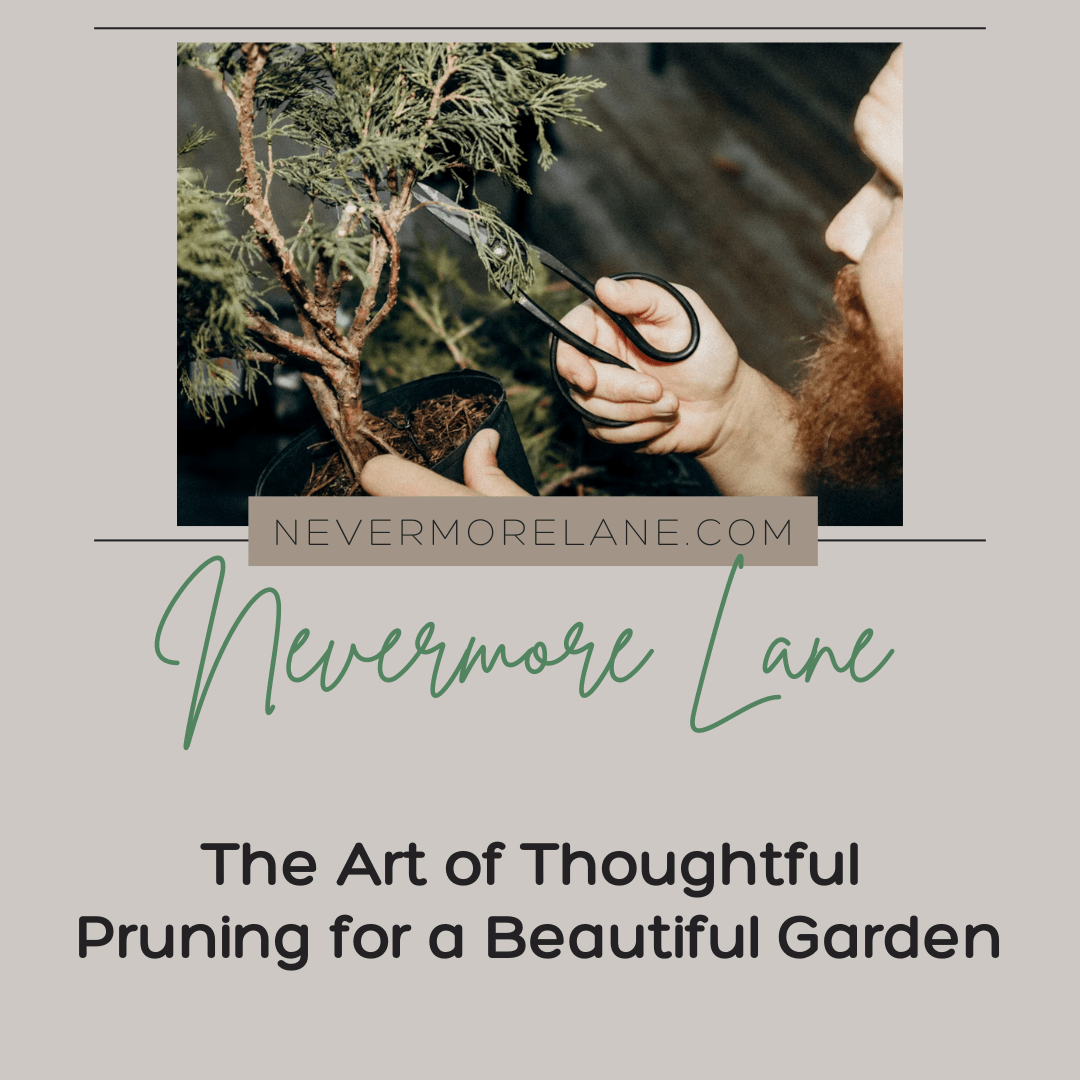
A truly beautiful garden often comes down to the little things, and one of the most impactful is thoughtful pruning. It’s what makes the difference between a yard that just grows and one that truly shines. Far from just hacking away at overgrown branches, pruning is like having a careful chat with your plants, guiding them toward health, beauty, and plenty.
healthy outdoor space.
Why Pruning Matters
Pruning is about so much more than just keeping your shrubs from taking over the sidewalk. It’s a super important part of garden care that directly affects how healthy your plants are and how they look. When you make a smart cut, you’re actually encouraging the plant to put its energy into making new flowers, fruit, or strong leaves. Getting rid of dead, damaged, or diseased wood stops problems from spreading and helps air move around better, which can cut down on fungal issues.
Making cuts at the right time can kickstart strong growth in the spring or help a plant keep its desired shape and size. Think of it like a haircut for your garden; it gets rid of the split ends and encourages healthy development. The art of pruning is really about understanding what each plant needs to look its best, season after season.
Tools for the Job
You don’t need a shed full of fancy gear to start pruning effectively. For most garden tasks, a few key tools will handle almost everything you need.
- Hand Pruners (or Secateurs): These are your best friends for most small jobs. They’re perfect for cutting stems and small branches up to about a half-inch wide. Bypass pruners, which cut like scissors, make the cleanest cuts and are usually best for living wood.
- Loppers: Imagine hand pruners but with long handles. That extra leverage lets you snip through branches up to an inch or two thick with much less effort. They’re essential for tackling bigger shrubs and small trees.
- Pruning Saw: For branches that are just too thick for loppers, a pruning saw is what you need. These saws are designed to cut when you pull them, giving you more control and making it easier to get through tough wood.
Always start with clean, sharp tools. Dull blades can crush stems instead of cutting them cleanly, leaving the plant open to disease. A quick wipe with a disinfectant after you’re done helps stop any potential issues from spreading between plants.
Knowing When to Call an Expert
While a lot of garden pruning is a perfectly manageable DIY task, there are times when it’s safer and smarter to call in a professional. If you’re dealing with large, mature trees, the work can be dangerous without the right equipment and training. Branches that are way up high, near power lines, or hanging over your home should always be left to a pro. These situations demand specialized knowledge about tree structure and safety rules.
Another big sign it’s time for help is if a tree looks unhealthy, diseased, or like it might fall apart. A certified arborist can figure out the problem and decide the best way forward, which might mean careful, targeted pruning to save the tree or even taking it down completely to keep everyone safe. Trying to handle these big jobs yourself can lead to serious injury or cause lasting damage to your property and the tree itself.
Techniques for Healthy Growth
Once you have the right tools, it’s time to learn a few basic cuts. The goal is always to cut in a way that helps the plant heal quickly and grow well. One of the most important things to learn is how to spot and remove the three Ds: any wood that is dead, damaged, or diseased. This should always be your first step.
Next, look for branches that are crossing or rubbing against each other, as this can create wounds that invite pests. For most cuts on shrubs and trees, you’ll want to follow some proper pruning techniques. Cut back to just above a healthy bud that’s pointing in the direction you want new growth to go. Make your cut at a 45-degree angle, slanting away from the bud. This lets water run off, preventing rot. Try not to leave long stubs, but also be careful not to cut too close to the main stem, which can hurt the branch collar and slow down healing.
Seasonal Pruning Guide
Knowing when to prune is just as important as knowing how. Pruning at the wrong time can mean fewer flowers or stress out the plant. While rules can vary, here’s a general seasonal guide:
- Late Winter/Early Spring: This is the perfect time for pruning many trees and shrubs that lose their leaves. Since the plants are dormant and leafless, you can easily see their structure. Pruning now encourages a burst of new growth when spring arrives. This is the time to shape fruit trees, roses, and summer-blooming shrubs like hydrangeas.
- Late Spring/Early Summer: This window works best for many spring-flowering shrubs, like forsythia and lilacs. The general rule is to prune them right after they finish blooming. If you prune them in winter, you’ll accidentally cut off the flower buds that grew the previous year.
- Mid-Summer: Summer pruning is generally for light shaping and maintenance. You can trim hedges, remove any suckers from the base of trees, or lightly shape evergreen shrubs. Avoid heavy pruning, as it can stress plants during the summer heat.
- Fall: It’s usually best to avoid major pruning in the fall. New cuts can encourage tender new growth that won’t have time to toughen up before the first frost, leaving it vulnerable to winter damage. The only exception is removing dead or hazardous branches, which you can do at any time.
With these tips, you can prune with confidence, knowing you’re helping your garden stay healthy and look its best all year long. Start small, learn about your specific plants, and enjoy the process of shaping your own beautiful outdoor space.
Image Credit: Unsplash