How to Plan a Relaxing Trip Without Overpacking Your Schedule
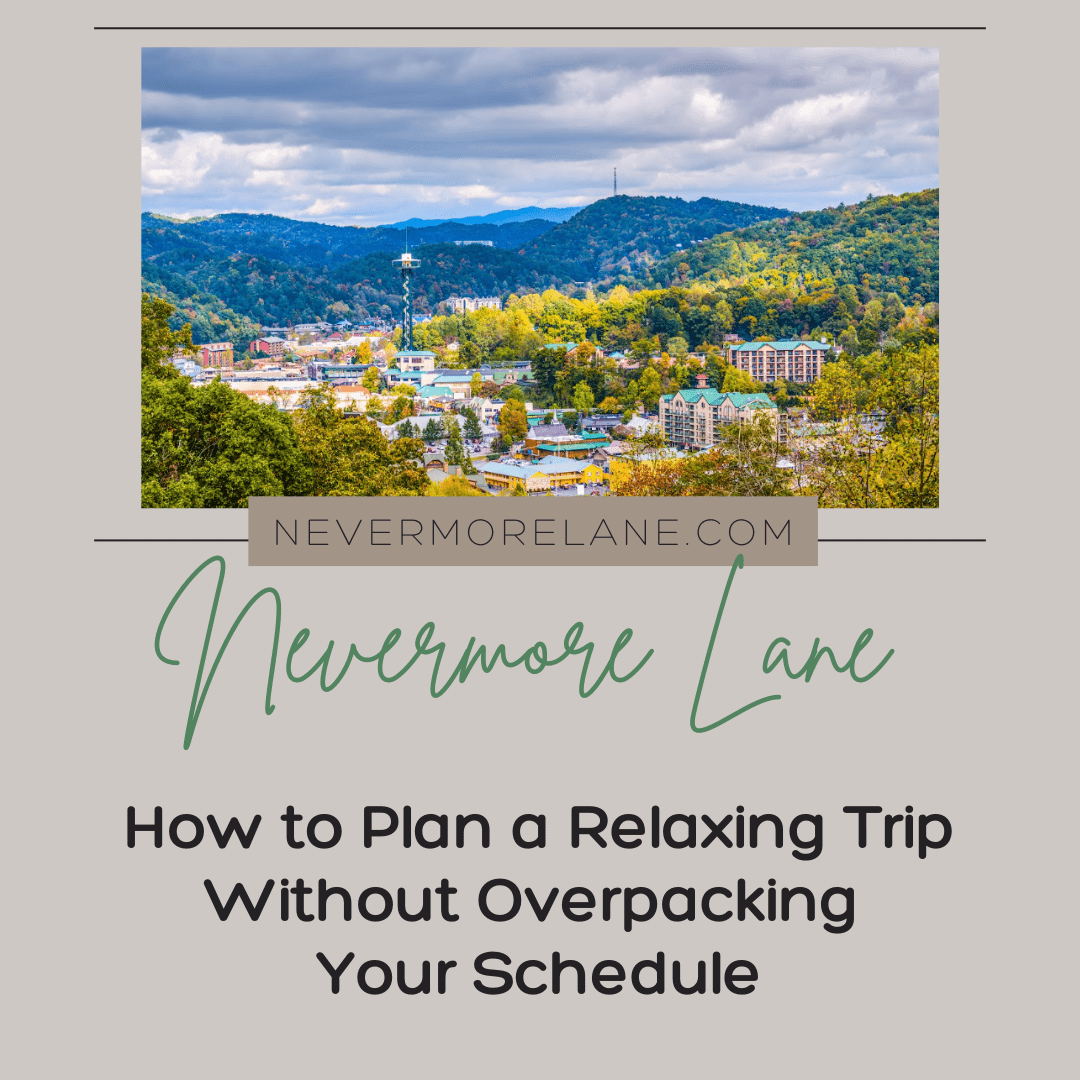
A good vacation should give you plenty to experience without making every day feel like a race against the clock. That balance is especially useful when planning a trip to Gatlinburg. The surrounding national park recorded roughly 11.5 million recreation visits in 2025, so popular travel periods can bring plenty of other visitors into the area as well.
Instead of trying to fit every attraction, meal, scenic stop, and activity into a rigid itinerary, build the trip around a few priorities. Where you stay, how much you schedule each day, and how much flexibility you leave for weather or unexpected discoveries can make the difference between an enjoyable getaway and one that feels strangely like work.
Choose Your Home Base With Your Daily Plans in Mind
Accommodation is more than somewhere to sleep. Its location and amenities can influence how much time you spend driving, finding parking, preparing meals, or simply getting from one activity to another.
Think about the kind of vacation you actually want. If mornings are better when you can make your own breakfast, a kitchen may matter. If you enjoy taking a break between activities, a comfortable living area or pool could become surprisingly valuable.
For travelers who want convenient access to the center of Gatlinburg, downtown Gatlinburg condos for rent can make it easier to build a flexible itinerary around the area. Laurel Inn Condominium offers accommodations with features such as kitchens and private balconies, giving guests a comfortable home base where they can slow down between plans rather than feeling obligated to stay out all day.
The right accommodation should support the way you want to travel instead of forcing your itinerary to work around where you booked.
Give Each Day a Main Purpose
One of the easiest ways to exhaust yourself on vacation is to treat every interesting place as something that has to fit into the schedule.
A better approach is to give each day a general focus.
You might devote one day to outdoor activities, another to entertainment and shopping, and another to a slower combination of sightseeing and relaxation. Grouping similar activities together can reduce unnecessary travel and make the day feel more connected.
This does not mean planning every hour. In fact, leaving some flexibility in a travel itinerary can make it easier to adjust when something takes longer than expected, or you discover an activity you would rather spend more time enjoying.
A useful rule is to decide what would make the day feel successful even if nothing else happened. Once that priority is covered, everything else feels like a bonus.
Don’t Confuse a Full Schedule With a Good Vacation
There is a particular kind of vacation fatigue that comes from finishing one activity while already worrying about being late for the next one.
It is completely avoidable.
Try limiting the number of activities that require reservations, tickets, or strict arrival times on the same day. One major scheduled experience can provide structure without controlling the entire day.
Leave enough time for a relaxed meal, an unexpected stop, or an hour back at your accommodation.
Those gaps may look empty when you are planning from home, but they rarely feel wasted once the trip begins. They become the time when you linger over breakfast, explore something you did not know existed, or simply sit down because your feet have filed a formal complaint.
Plan Around Crowds Instead of Fighting Them
Popular destinations are rarely equally busy throughout the entire day.
If there is an attraction you particularly want to experience, consider visiting earlier rather than automatically placing it in the middle of the afternoon. The same principle can work for restaurants and other popular stops.
This is where planning ahead becomes useful without becoming restrictive. You can research opening hours, reserve the activities that genuinely matter, and leave less important plans flexible.
It can also be worth looking at travel dates before committing to a trip. Weekends, holidays, school breaks, and seasonal events can significantly change the experience of a popular destination.
The objective is not to avoid every other traveler. It is simply to avoid spending an unnecessary portion of your vacation waiting.
Give Outdoor Plans Some Flexibility
Nature does not care about your carefully organized itinerary.
Rain, changing temperatures, poor visibility, or other conditions can quickly alter outdoor plans. Instead of allowing that to ruin an entire day, build a few alternatives into the trip.
You do not need a detailed second itinerary. Simply know which activities could work indoors and which plans can easily move to another day.
Check forecasts shortly before heading out, and pack according to the activities you actually expect to do. Planning what you pack around your itinerary and expected weather can also help you avoid carrying things you are unlikely to use.
Comfortable shoes, a practical outer layer, water, and a small day bag will often be more useful than preparing for every imaginable scenario.
Make Meals Part of the Experience, Not a Scheduling Problem
Food can quietly become one of the biggest sources of wasted vacation time.
A popular restaurant may have a long wait exactly when everyone is tired and hungry. Instead of making every meal a major event, decide which dining experiences really matter to you.
You might plan one special dinner while keeping lunch flexible. Having simple breakfast foods or snacks at your accommodation can also make mornings easier, particularly when you want an early start.
Eating slightly outside traditional meal times can sometimes give you more flexibility as well.
Most importantly, do not schedule activities so tightly around meals that a longer lunch creates stress for the rest of the afternoon. Good food deserves better than being eaten while someone keeps checking the time.
Leave Something Unplanned
An open afternoon can look like poor planning when you are staring at an itinerary weeks before departure.
Once you are actually traveling, it can feel like a luxury.
Leaving part of the trip unscheduled gives you room to return to something you enjoyed, follow a recommendation you heard after arriving, rest after a busy morning, or adjust because of weather.
It also makes the itinerary more resilient. If an activity gets moved or canceled, you have somewhere for it to go instead of rearranging three other days.
You are not losing vacation time by leaving space in the schedule. You are giving yourself more control over how that time gets used.
Plan Enough to Make the Trip Easier
The best vacation itinerary sits somewhere between planning nothing and planning every minute.
Book the accommodation that suits your priorities. Reserve experiences that would genuinely disappoint you to miss. Research the practical details that could otherwise waste time, and decide on a few things you particularly want to experience.
Then leave some room.
A good itinerary should guide the vacation without dominating it. When you have enough structure to avoid unnecessary hassles and enough flexibility to change your mind, you spend less time managing the trip and more time actually enjoying it.