Smart Ways to Protect Your Home Without Making It Feel Like a Fortress
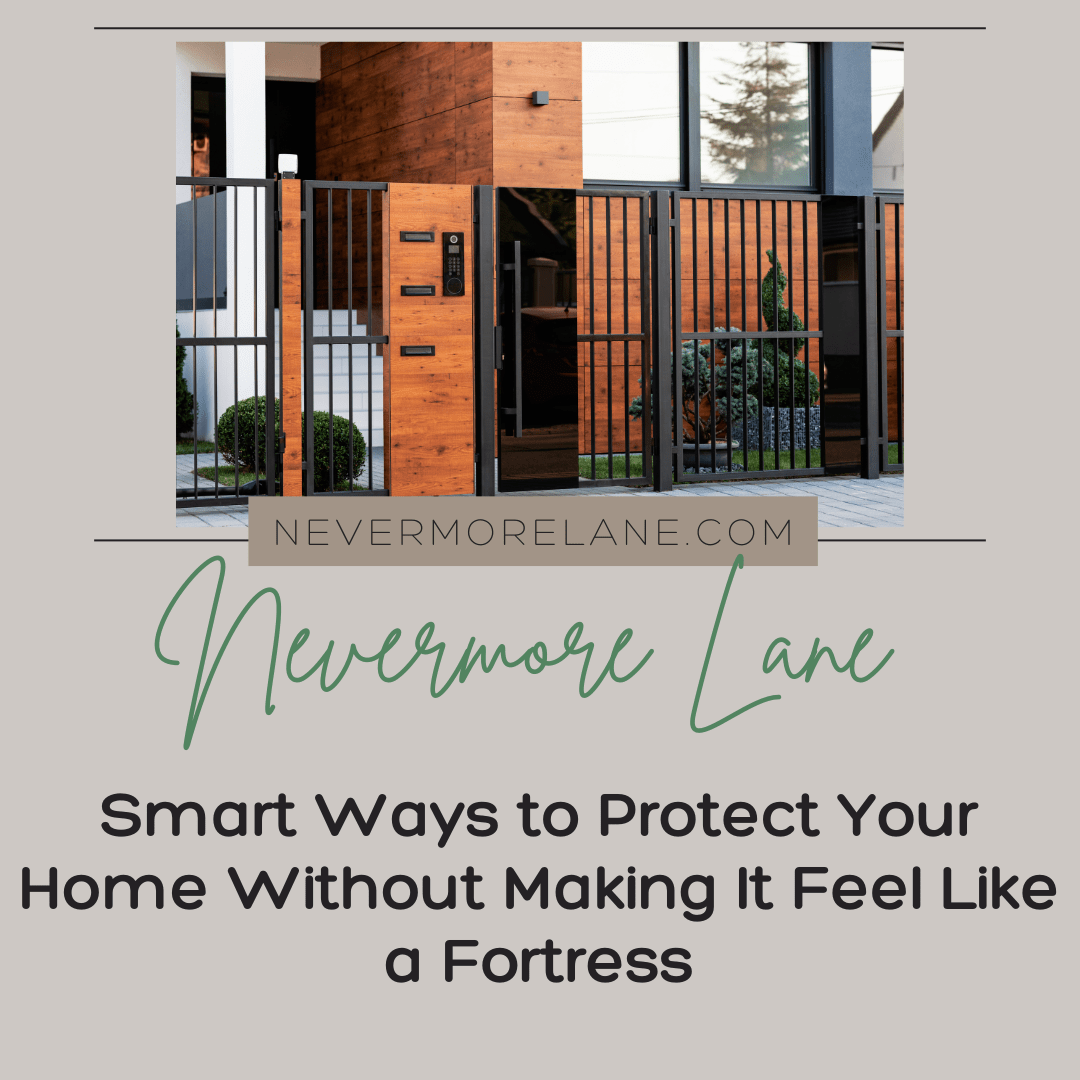
There’s a particular kind of peace that comes from knowing your home has your back, not in a way that makes you feel boxed in or on constant alert, but in the quiet reassurance that lets you actually exhale when you walk through the door. So much of slow living is about creating space to breathe, to notice, to be present, and that’s hard to do when part of you is always half-listening for a leak, a storm warning, or an unlocked window. Real security isn’t about turning your home into something cold or clinical; it’s about weaving thoughtful protection like installing End Zone Camera into the rhythm of your everyday life so it fades into the background, leaving room for the calm you’re actually after.
Your home should feel calm, functional, and personal, not like a stress factory with a roof. If you live in Arlington, Texas, there is also substantial value worth protecting: the median value of owner-occupied homes was $304,700 in 2020–2024, and the city had more than 142,000 households. Weather adds another consideration. National Weather Service climate data for Arlington shows about 39.6 inches of precipitation annually, with normal summer highs reaching roughly 94°F in July and August. With heat, rain, storms, and everyday property risks in the mix, protecting your home is just as important as making it look good. Smart planning can help you preserve your investment, avoid expensive surprises, and keep the space comfortable and easy to live in.
Don’t Overlook the Paperwork Side of Protection
A well-protected home isn’t only about tools, repairs, and upgrades. It’s also about knowing what happens if something goes wrong.
That means keeping a current home inventory. Take photos of each room, save receipts for major purchases, and store digital copies in cloud storage. If you ever need to document losses, that record can save time and frustration.
It’s also smart to review coverage before you need it, not during a crisis when your ceiling is dripping and your patience is gone. If you’re comparing options for home insurance Arlington has many choices available, so look beyond the premium alone. Compare deductibles, dwelling coverage, personal property protection, liability coverage, additional living expenses, and important exclusions before choosing a policy.
Protection gets much easier when you know exactly what’s covered and what isn’t.
Start With the Risks You Can Actually Control
You can’t control the weather, random accidents, or every plumbing issue waiting behind a wall like a bad plot twist. You can control how prepared your home is.
Walk through your space with fresh eyes. Look for loose handrails, clogged gutters, aging roof shingles, cracked seals around windows, and overworked extension cords. These don’t sound glamorous, but they can lead to costly damage.
A simple seasonal checklist helps more than most people expect. In spring, inspect drainage around your foundation. In summer, check your sprinkler settings so you’re not soaking siding or creating puddles near the house. In colder months, pay attention to insulation and exposed pipes.
Small maintenance tasks protect your home’s appearance and structure at the same time. That’s a solid deal.
Treat Curb Appeal as Part of Home Protection
A neat exterior does more than impress neighbors or make your delivery driver slightly less confused. It can reduce real risks.
Trim trees that hang over the roof. Branches can scrape shingles, block drainage, or fall during storms. Keep walkways level and well lit to lower the chances of slips and trips. Replace damaged fencing before it becomes a problem in high winds.
Your landscaping choices matter too. Dense shrubs near windows may look polished, but they can also block visibility. Gravel beds, proper grading, and well-placed downspouts help move water away from the house.
When you think about curb appeal, include durability in the plan. Outdoor materials should handle local weather, not just look good for one season. The best exterior upgrades usually pull double duty: style and protection.
Build a Home Safety Setup That Fits Real Life
Home safety works best when it matches how you actually live. A complicated setup that nobody uses is basically décor with delusions of grandeur.
Start with the basics:
- – Smoke detectors on every level
- – Carbon monoxide detectors near sleeping areas
- – Fire extinguishers in the kitchen and garage
- – Motion-sensor exterior lighting
- – Secure locks on doors and accessible windows
- – A labeled shutoff plan for water, gas, and electricity
If you travel often, smart sensors and video doorbells can add peace of mind. If you have kids or pets, cabinet latches, cordless window coverings, and secure storage for chemicals become more important.
The goal isn’t to turn your home into a gadget showroom. It’s to create systems that prevent damage, support quick action, and make daily life smoother.
Focus on Water First Because It Causes Quiet Chaos
Water damage has a sneaky reputation for a reason. It often starts small, hides well, and gets expensive fast.
Check under sinks, behind toilets, around tubs, and near appliances like dishwashers and washing machines. Replace brittle supply lines before they fail. If your water heater is older, monitor it closely for rust, leaks, or strange noises.
A few practical upgrades can make a major difference:
- – Install a leak detector near high-risk appliances
- – Clean gutters regularly
- – Extend downspouts away from the foundation
- – Reseal tile grout and caulk where needed
- – Know where your main water shutoff valve is
Basements need extra attention, especially after heavy rain. A sump pump with battery backup can be a lifesaver in the least dramatic but most useful way possible.
When people think of home damage, they often picture fire or storms. Water usually plays the long game.
Make Renovations With Resilience in Mind
Renovating a home is exciting until your budget starts doing gymnastics. Still, if you’re already making changes, it makes sense to build in protection while the walls are open and the tools are out.
Choose materials that fit your climate and your maintenance tolerance. Luxury finishes are nice, but durable flooring, moisture-resistant drywall, and quality roofing underlayment often deliver more long-term value.
If you’re updating kitchens or bathrooms, ask about shutoff valves, ventilation improvements, and waterproofing details. If you’re replacing windows or doors, look for products with strong seals and energy performance suited to your area.
Electrical upgrades deserve attention too. Older panels, overloaded circuits, and outdated wiring create safety risks that no stylish pendant light can distract from.
A smart renovation plan protects the look of your home and reduces the chances that you’ll need to redo expensive work later.
Create Habits That Keep Protection Ongoing
Home protection isn’t one big project you finish on a Saturday. It’s a set of repeatable habits that keep problems from piling up.
Try a simple monthly routine. Test alarms. Check for leaks. Look at exterior drainage after rain. Open the utility closet and pay attention to anything that smells odd, sounds unusual, or looks off.
Then set a few annual reminders:
- – Service your HVAC system
- – Inspect the roof and flashing
- – Review insurance details
- – Trim large trees
- – Clean dryer vents
- – Revisit your home inventory
These habits don’t need to eat up your calendar. Most take minutes, not hours. The payoff is catching issues early, protecting your budget, and keeping your space functional and beautiful.
A home feels better when it’s cared for in visible and invisible ways. You notice the paint color. You appreciate the layout. You also benefit from the maintenance, planning, and protection working quietly in the background every day.
Photo Credit