How to Keep a Commonplace Book and Why Every Reader Should
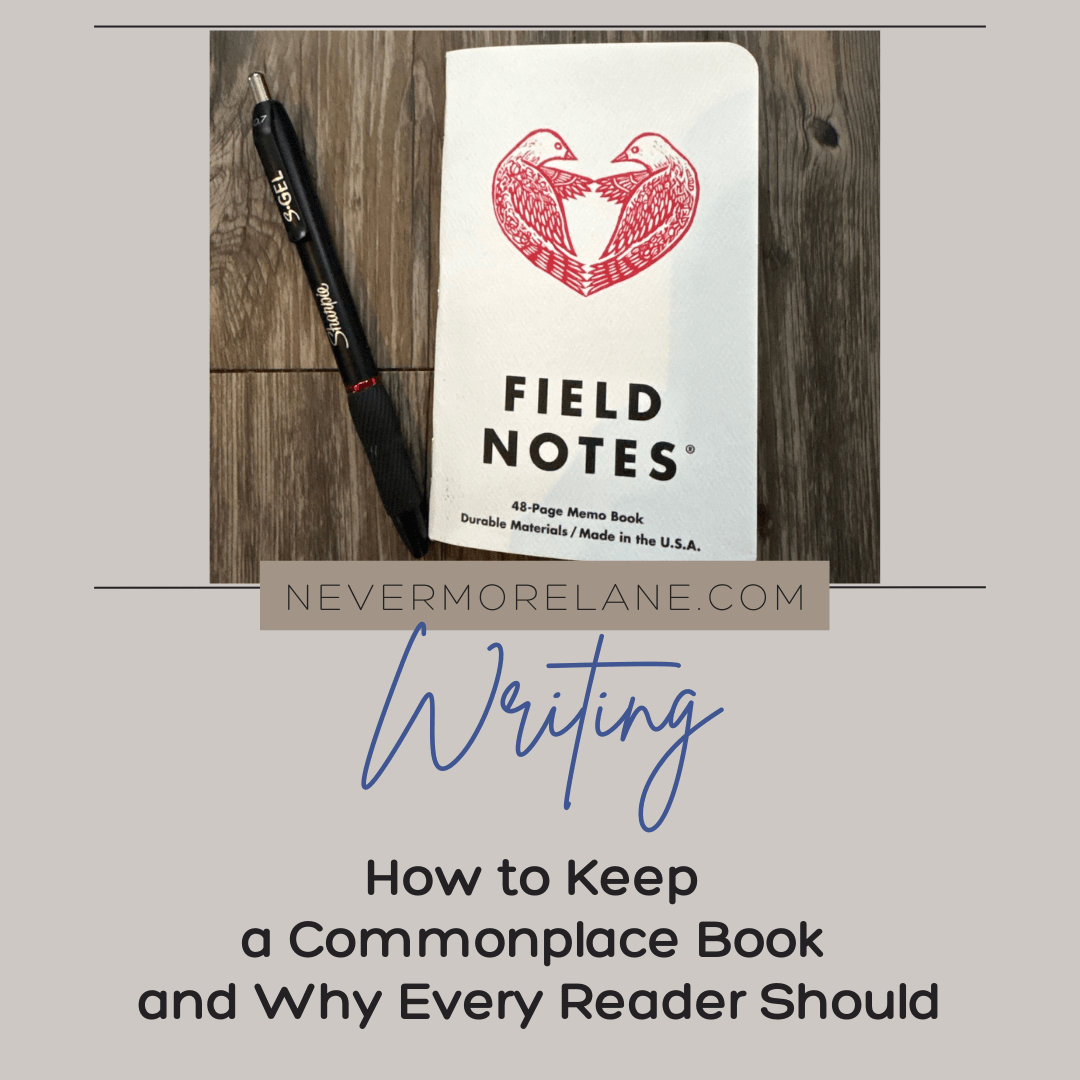
There is a particular kind of magic that happens when you write something down by hand.
Not typed, not saved to a notes app, not highlighted in an e-reader with the vague intention of returning to it someday. Written. Pen to paper, ink settling into the grain of the page. The act itself is a kind of ritual, a slowing down, a telling your nervous system that this thought is worth keeping.
That is what a commonplace book is. A keeper of worth-keeping things.
The practice is old, older than most of us realize. Renaissance scholars kept them. Enlightenment thinkers carried them. Marcus Aurelius filled pages with lines he wanted to live inside of. Commonplace books were the original reading journals, the original quote collections, the original analog search engines for a thinking person’s inner life.
And yet they have never been more relevant than right now, in an age when we consume so much and retain so little.
What Is a Commonplace Book, Exactly?
A commonplace book is a personal collection of passages, quotes, ideas, observations, and reflections that move you. The name comes from the Latin locus communis, meaning a common theme or argument worth remembering. Historically, readers used them to gather wisdom across sources, a kind of handwritten anthology of everything that struck them as true or beautiful or worth returning to.
Unlike a reading journal, a commonplace book is less about chronicling what you read and more about curating what resonates. It is not a summary. It is not a review. It is a treasury.
Your commonplace book might hold a line from a novel that cracked you open. A passage from a collection of essays you were not expecting to love. Something a poet said about winter that made you stop walking. A fragment of your own thought you caught mid-reading and wrote down before it dissolved.
There are no rules about what belongs. There is only what calls to you.
How to Begin
You need very little to start. A notebook you love the feel of, a pen that moves the way you want it to, and the willingness to write slowly.
Choose a notebook that invites lingering. This is not the place for a spiral-bound notepad. A Leuchtturm, a Midori, a stitched journal you found in a small shop, something with weight and intention. The container matters because it signals to you that what goes inside it matters.
Keep it near where you read. On the nightstand, beside your reading chair, tucked into your bag alongside your current book. Accessibility is everything. If you have to go find it, you won’t use it.
When something stops you, write it down. Copy the passage exactly, or distill it into the phrase that arrested you. Note the source, the book, the author, the page if you want to find it again. Then, if something rises in you in response, write that too.
That response is often the most valuable part.
What to Put Inside
Anything, truly. But here are the kinds of things that tend to find their way into a well-loved commonplace book:
Passages from fiction that feel like they were written for you specifically. Lines of poetry that work on you the way music does. Sentences from essays or nonfiction that articulate something you have always felt but never had the words for. Your own observations while reading, the questions a book raises, the memories it surfaces, the moments when a character’s grief or joy feels uncomfortably familiar. Quotes you encounter outside of books, in conversation, in letters, in the margins of a used book someone else loved first.
There is a particular delight in finding another reader’s underlining in a secondhand book. A commonplace book is the private version of that, the record of your own inner underlining life.
The Slow Magic of Returning
Here is what no one tells you about keeping a commonplace book: the real gift is not the writing. It is the returning.
When you flip back through months or years of gathered passages, you begin to see yourself. The themes that appear again and again. The kinds of sentences that always stop you. The questions you have been sitting with longer than you realized. The books that shaped you in ways you are still understanding.
A commonplace book becomes a map of your inner landscape over time. It is slow and quiet documentation of who you are as a reader, and as a thinker, and as a person building a life around the things that matter.
In a world that is always urging us toward more, faster, constantly refreshed, there is something genuinely radical about writing one beautiful sentence into a notebook and leaving it there to age like good wine.
Start one. Fill it slowly. Return to it often.
That is the whole of it, and it is more than enough.
Like what you read? Drop me a line – let’s chat over virtual coffee.
~ Chrystal