How to Build a Professional-Grade Workout Space at Home
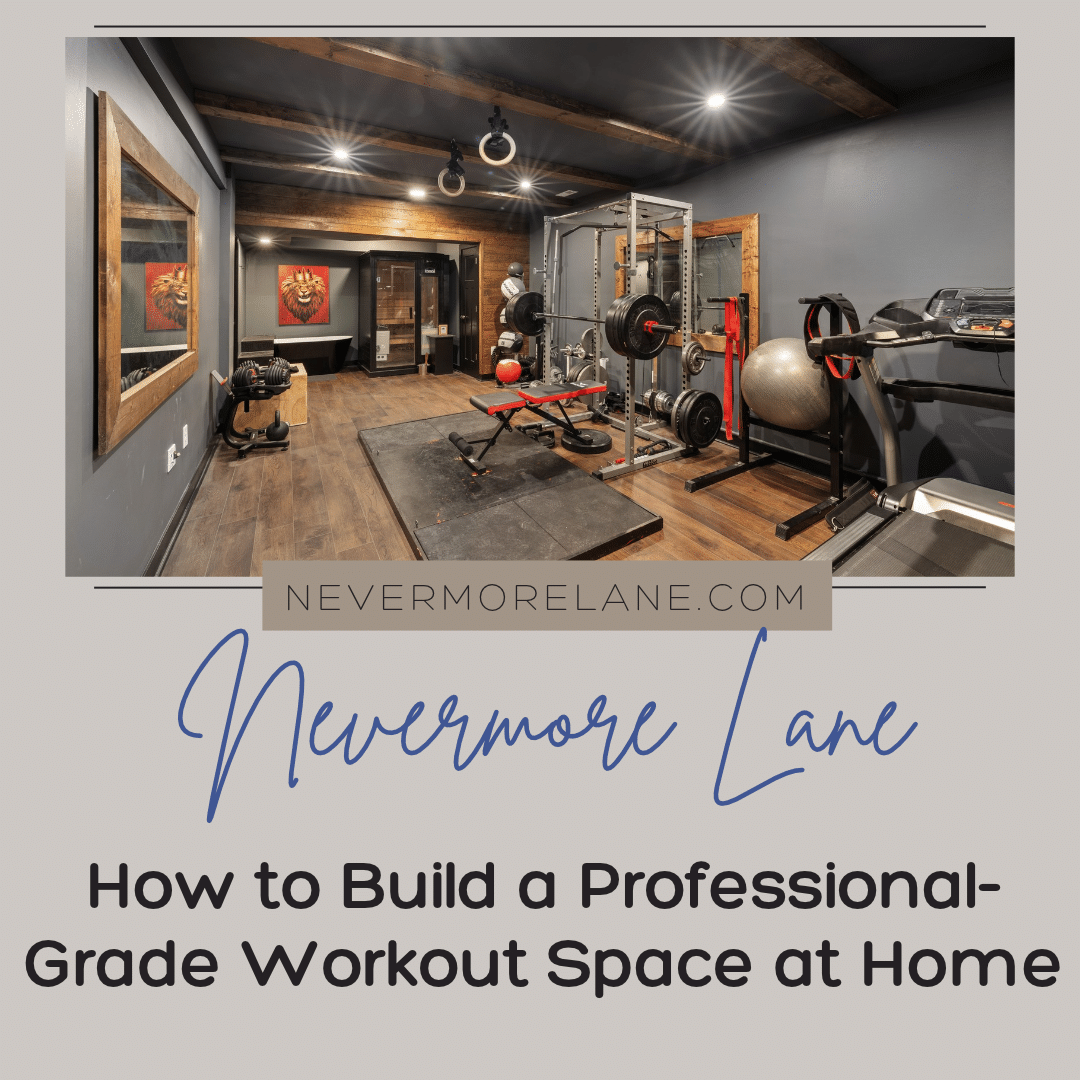
Creating a personal workout space has evolved significantly over the past few years. What used to be a dusty corner of the garage with a few neglected dumbbells has transformed into a highly curated wellness environment. Industry analysis projects the global home gym market will reach billions by the end of the decade, driven by a growing desire for convenient, premium workout solutions. For functional fitness communities, investing in top-tier gear is no longer seen as a luxury. It is a primary signal of long-term commitment to health and wellness. By focusing on smart design, biomechanical compliance, and durable materials, you can create a professional-grade workout space at home that rivals any premium facility.
Transitioning your mindset from a casual living room routine to a dedicated physical training sanctuary requires a shift in how you view your equipment. A true wellness sanctuary should inspire you to train consistently, eliminating the friction of commuting to a crowded facility. When your environment is purposefully designed, your motivation naturally increases, making daily exercise a seamless part of your lifestyle rather than an arduous chore.
The Blueprint for a Heavy-Duty Foundation
The most noticeable difference between a standard residential setup and a professional environment is structural engineering. Genuine high-end strength machines are constructed using heavy-duty seven-gauge or eleven-gauge steel frames. Conversely, budget residential units often rely on lighter gauge tubing that tends to flex and wobble under heavy loads. This structural integrity matters immensely when you are pushing your physical limits without a spotter nearby. Peace of mind is a critical component of effective solo training, and a solid frame provides exactly that.
When you decide to upgrade, exploring Commercial Fitness Equipment ensures that your home sanctuary is built to withstand decades of intensive use. Quality power racks and strength machines boast an average functional lifespan of fifteen to twenty years, making them a worthy lifelong investment. Furthermore, premium gear features fully replaceable parts rather than the sealed assemblies commonly found in consumer retail products. This means you can easily service a specific component instead of replacing the entire unit down the line, saving money and reducing environmental waste.
Prioritising Ergonomics and Injury Prevention
Moving heavy weights safely requires more than just sheer strength. It requires precise biomechanics. When equipment perfectly mirrors the natural movement paths of the human body, it prevents unnecessary strain on ligaments and tendons. High-end fitness setups are rigorously tested against strict global compliance standards to ensure mechanical stability, safe moving-part guards, and appropriate structural limits under repetitive stress.
The science of ergonomics plays a vital role in how we interact with our environment, whether we are working at a desk or lifting weights. According to the Occupational Safety and Health Administration, fitting a physical task to a person’s capabilities through ergonomic design lessens muscle fatigue and reduces musculoskeletal disorders. When your machines match your natural anatomical levers, your workouts become significantly safer and more effective. You are no longer forcing your body to adapt to the limitations of poorly constructed machinery, which is the leading cause of preventable training injuries.
Perfecting Alignment for Solo Training
One of the major benefits of moving from shared facility machines to a dedicated personal space is the ability to perfectly tailor equipment dimensions to your own biomechanics. In a busy gym, users often skip adjusting the seat height or the backrest angle to save time. At home, your equipment remains set up specifically for your body type. Over time, this consistent alignment pays massive dividends for your physical wellbeing.
Maintaining proper alignment is vital for long-term progression and recovery. Ensuring your posture is supported by well-engineered machines is one of the best ways to protect joint health during high-impact training on a daily basis. Without the constant wear and tear that comes from mismatched equipment, you can train harder and recover faster. A well-designed setup completely removes the friction of travel and eliminates the most common barriers to training consistency.
Essential Components for Your Setup
If you are ready to elevate your personal training environment, prioritising a few core pieces of equipment will give you the most versatile foundation. Instead of cluttering your space with single-use gadgets, focus on foundational items that offer multiple functional uses. A minimalist but high-quality approach yields the best results for a home sanctuary.
- A Heavy-Duty Power Rack: The centrepiece of any serious space. Look for eleven-gauge steel construction and secure safety pins. This allows you to perform heavy squats, bench presses, and pull-ups safely on your own.
- An Adjustable Cable Trainer: Industrial cable systems provide smooth, constant tension that is perfect for isolating specific muscle groups. These units are highly versatile and replicate the functional movements needed for both rehabilitation and hypertrophy.
- Premium Cardio Solutions: Choose treadmills or stationary bikes engineered with continuous-duty motors. These robust motors are designed to withstand hours of daily operation without overheating, offering a much smoother ride than standard residential units.
- Ergonomic Benches: A solid, adjustable bench with thick padding supports your spine during heavy pressing movements. Look for benches that offer multiple incline angles to target different muscle fibres safely.
Building a premium workout space requires thoughtful planning and an understanding of biomechanical safety. By choosing robust materials, focusing on ergonomic design, and selecting versatile core pieces, you can cultivate an environment that fosters long-term adherence. Ultimately, reducing the distance between your living room and your gym to zero transforms your relationship with fitness, acting as an investment in your lifelong health and daily physical endurance.
Photo by Curtis Adams: https://www.pexels.com/photo/modern-home-gym-interior-with-fitness-equipment-36777945/