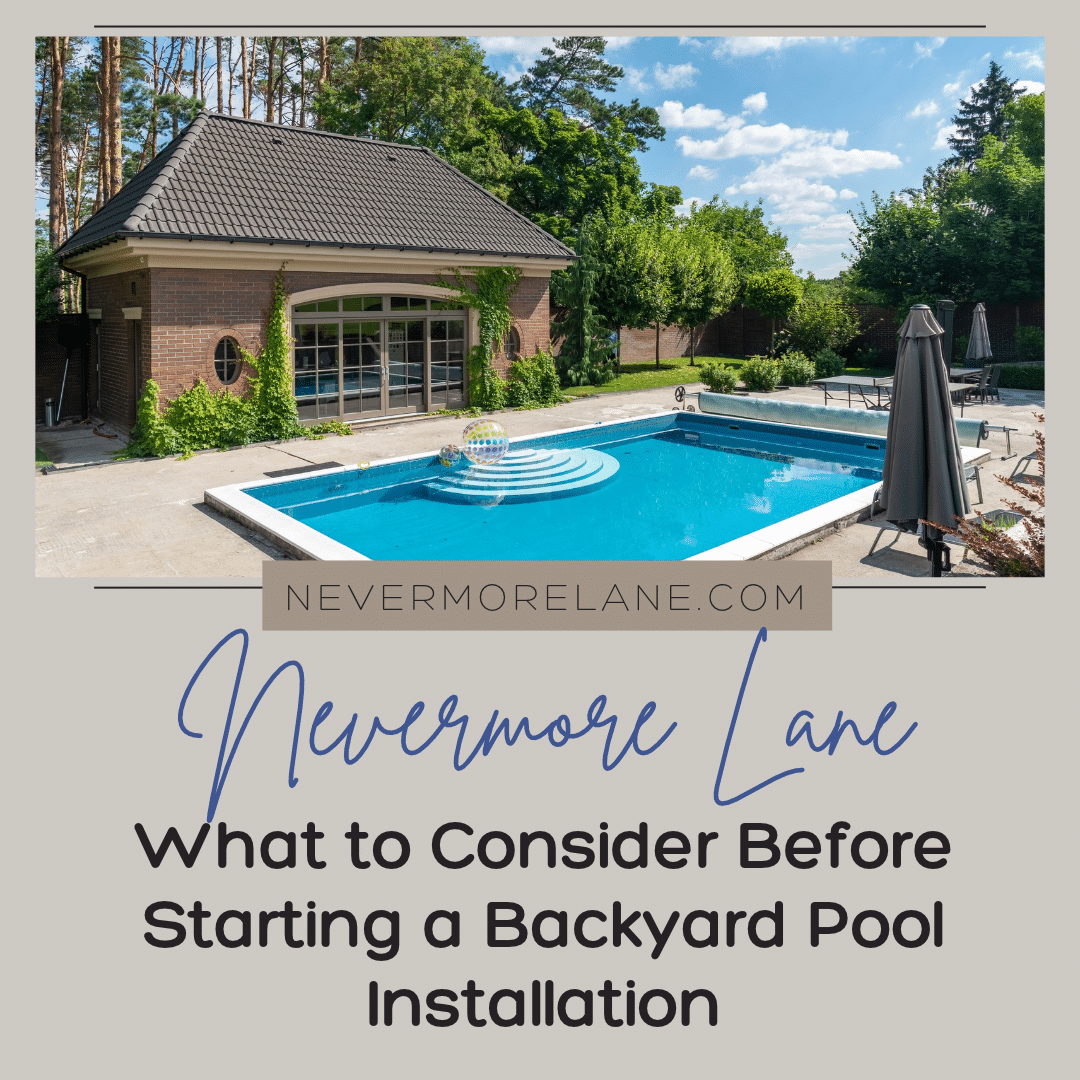
What to Consider Before Starting a Backyard Pool Installation
Key Takeaways
- Plan around the pool’s purpose rather than choosing a shape first.
- Review access, drainage, utilities, sunlight, privacy, and setbacks before finalizing a layout.
- Budget for the complete backyard project, not just the pool structure.
- Include barriers, gates, surfaces, and equipment access in the initial design.
- Use a detailed written scope and a clear change process to limit surprises.
Table Of Contents
- Start With the Pool’s Purpose
- Review the Yard Before Choosing a Design
- Build a Complete Project Budget
- Plan Safety From the Beginning
- Choose Features That Support Daily Use
- Select Efficient Pool Equipment
- Coordinate Construction and Landscaping
- Compare Pool Builders the Smart Way
- Prepare for Long-Term Maintenance
- Use a Final Planning Checklist
- Conclusion
A backyard pool can become a favorite place for exercise, family time, and outdoor entertaining, but the best results begin well before excavation. Homeowners in Florida and Alabama can look to Blue Haven Pools for an example of a full-service provider that connects custom pool design with construction, renovations, equipment, resurfacing, and warranty support. Blue Haven Pools On The Gulf serves areas including Gulf Breeze, Panama City, Tampa, Sarasota, Fort Myers, and Mobile, giving it practical experience with regional backyard and climate considerations.
Low-stress planning means making the major decisions in the right order. Start with how your household will use the water, evaluate the property, set a realistic all-in budget, and make safety and maintenance part of the original design.
1. Start With the Pool’s Purpose
Write down the primary use before discussing finishes or water features. A pool intended for active family swimming needs different depths, entry points, and open-water space than a pool designed mainly for quiet lounging. Consider who will use it most often, including young children, teens, older relatives, and guests.
This decision should guide the size, shape, steps, benches, sun shelf, and surrounding patio. A compact pool with comfortable seating may suit frequent entertaining better than a large design that leaves little room for dining or circulation.
2. Review the Yard Before Choosing a Design
Every property has physical limits that affect placement and cost. Review required setbacks, slopes, drainage patterns, sun exposure, wind, privacy, equipment access, existing patios, retaining walls, trees, septic components, and underground utilities. Local permitting offices and homeowners associations may also have requirements that influence the plan.
A small adjustment can prevent larger problems later. For example, moving a pool farther from a mature tree may reduce future leaf cleanup and avoid conflicts with roots. Likewise, preserving a wider path for excavation equipment can reduce the need to remove fencing, landscaping, or hardscape.
Photorealistic wide establishing shot of a planned backyard pool area in a warm Florida or Alabama residential setting, showing the proposed pool, patio, surrounding lawn, mature trees, privacy fencing, landscaping, and clear access space for construction equipment in one cohesive scene; natural daylight, realistic scale, no people, no text.
3. Build a Complete Project Budget
The pool shell is only one part of the total project. A complete budget should account for design, engineering, permits, inspections, excavation, soil work, drainage, coping, decking, interior finishes, fencing, lighting, equipment, landscaping, irrigation, and furniture or shade structures.
Also include future operating and maintenance costs, such as water treatment, electricity, service visits, repairs, and replacement parts. Set aside a contingency for concealed site conditions or approved changes. Most importantly, request a written scope that identifies inclusions, allowances, exclusions, and responsibilities instead of comparing only base prices.
4. Plan Safety From the Beginning
Safety works best when it is part of the layout. Build clear sightlines from commonly used living areas, select slip-resistant surfaces near entries and high-traffic zones, and plan secure storage for chemicals and maintenance tools. Keep rescue equipment accessible, and make water-safety skills and active supervision household priorities.
The CDC recommends a four-sided fence at least four feet high that separates a home pool from the house, along with a self-closing, self-latching gate. Verify local barrier, gate, alarm, and cover requirements before construction begins, since rules can vary by jurisdiction.
5. Choose Features That Support Daily Use
Features should solve a real need or improve how often the space is used. Sun shelves can provide a shallow area for lounging and play. Benches create places to sit and socialize. Lighting improves visibility for evening use, while heating can extend comfortable swimming time in appropriate climates.
Rank every option as a must-have, nice-to-have, or later addition. Water features, fire elements, automation, and elaborate finishes can be enjoyable, but they may add installation, cleaning, or service needs. Prioritizing helps protect the budget when tradeoffs arise.
6. Select Efficient Pool Equipment
Equipment influences water quality, comfort, noise, and ongoing operating costs. Choose a pump that is properly sized for the pool and plumbing system rather than simply selecting the largest available model. Discuss filter type, cleaning frequency, heater options, automation controls, and access for routine service with the project team.
The Department of Energy’s pool pump standards information is a useful starting point for understanding why efficiency and equipment specifications matter. Variable-speed pumps and adjustable schedules may offer more control, but the right setup depends on the pool’s design and local conditions.
7. Coordinate Construction and Landscaping
Treat the pool and yard as one project. Reserve space for equipment, drainage routes, walkways, seating, outdoor dining, and future repairs. Consider privacy screens, shade structures, and lighting before finalizing the pool position, not after the deck is installed.
Choose plants that suit the climate and can tolerate heat, splash, and regular trimming. Avoid placing heavy leaf-dropping trees, aggressive roots, or irrigation spray close to the pool and equipment area. A coordinated plan creates a backyard that is easier to use and maintain.
8. Compare Pool Builders the Smart Way
- Confirm licensing, insurance, and experience with local permits.
- Review recent projects similar in size, style, and site conditions.
- Ask who manages design, permits, inspections, cleanup, and communication.
- Request a detailed estimate that explains allowances and exclusions.
- Discuss change orders, delays, payment milestones, and warranty service.
- Speak with references from comparable completed projects.
The lowest initial price is not always the lowest final cost. A clear scope, realistic timeline, and responsive communication process can be more valuable than a small difference in the starting estimate.
9. Prepare for Long-Term Maintenance
Pool ownership includes testing and balancing water, emptying baskets, cleaning filters and surfaces, checking equipment, clearing leaves, and inspecting gates and barriers. Plan for professional help when repairs, seasonal inspections, or equipment diagnostics are needed.
An easy-to-maintain pool is often a better long-term choice than a larger design with features that receive little use. Simple access to filters, valves, controls, and service areas makes routine care less frustrating.
10. Use a Final Planning Checklist
- Have you identified the pool’s main users and purpose?
- Has the property been reviewed for access, drainage, utilities, and setbacks?
- Does the budget include safety, landscaping, equipment, and future upkeep?
- Are barriers and gates included in the original layout?
- Are the pool, patio, planting, lighting, and drainage planned together?
- Does the contract explain payments, timeline, warranty, and changes?
- Is there a realistic maintenance plan for the first year and beyond?
Our Final Pool Thoughts
A low-stress pool project starts with careful decisions before construction begins. When the design fits the property, household routines, budget, climate, safety needs, and maintenance capacity, the finished backyard is more likely to provide lasting value and enjoyment.
Photo by Max Vakhtbovych: https://www.pexels.com/photo/patio-swimming-pool-in-summer-8143681/