How a Self Monitoring Alarm System Makes Everyday Life Easier
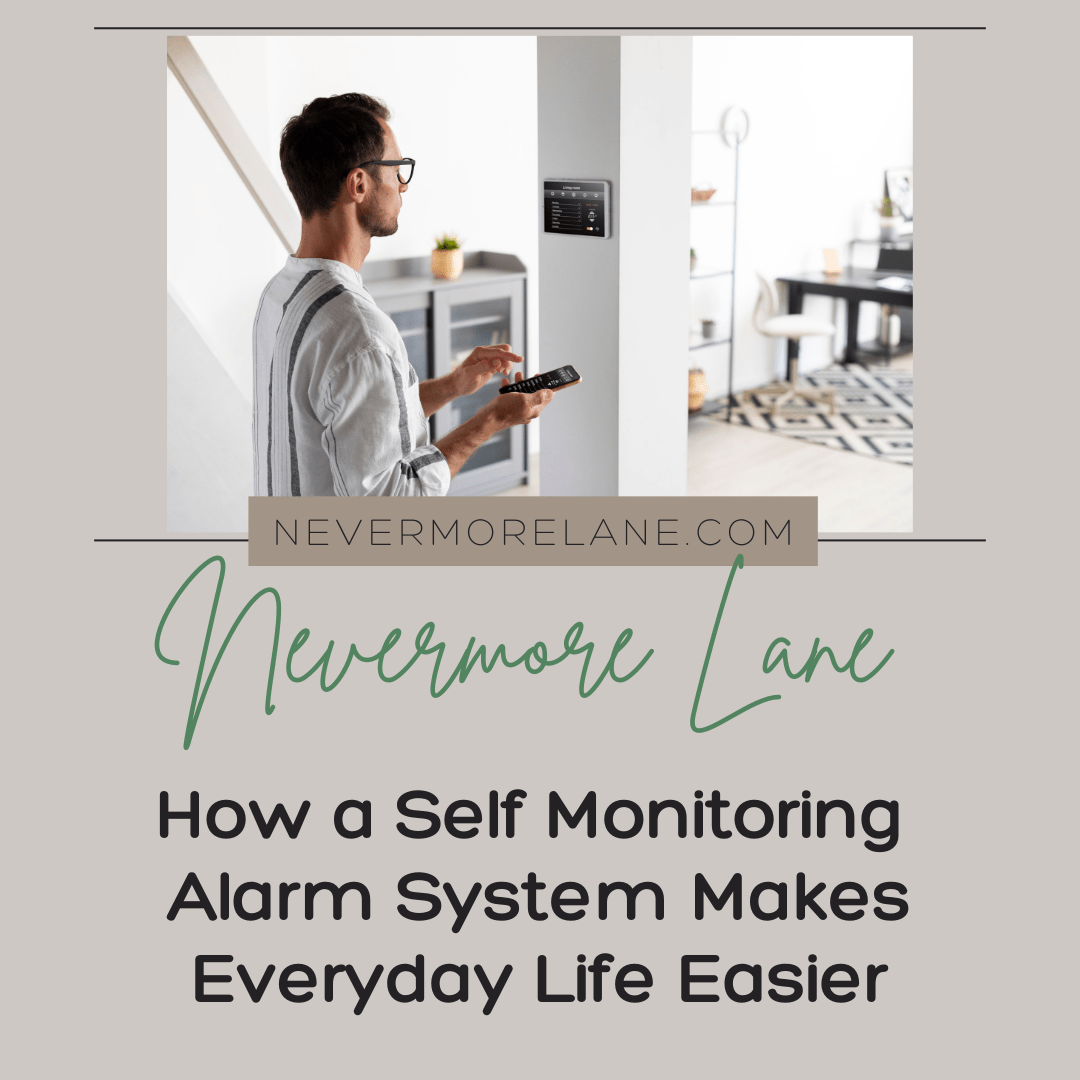
Home security once meant choosing between expensive monitored services with ongoing fees or having no proper system at all. That has changed significantly.
Self-monitoring alarm systems now give homeowners real security benefits, including instant alerts, remote access, and full visibility of their property, without monthly subscriptions or long-term contracts. For people who prefer direct control over their home security, self-monitoring offers a more flexible and practical solution.
Here’s how it makes everyday life easier in practical, tangible ways.
1. You Know What’s Happening at Home in Real Time
One of the biggest benefits of a self-monitoring alarm system is instant visibility. If motion is detected, a door sensor is triggered, or a camera picks up activity, you receive an alert on your phone immediately.
This allows you to check live footage, understand the situation, and decide what action is needed without waiting for a third-party monitoring centre.
Key advantages include the following:
- Instant alerts wherever you are
- Live access to cameras and security feeds
- Faster decision-making during unexpected events
- Greater peace of mind when away from home
- More control over how you respond
This real-time awareness replaces uncertainty with direct information, helping homeowners feel more confident and in control.
2. It Puts You in Control of Your Own Security
Professional monitoring services respond to alerts based on their protocols, not yours. They follow procedures that may or may not match your circumstances, and they may not always have the context needed to distinguish a genuine concern from a false alarm. A self monitoring system gives that control back to the homeowner.
For a self monitoring alarm system set up through Alarms247, the homeowner decides what constitutes an alert worth acting on, how to respond, and when to involve emergency services, rather than having those decisions made by a third party.
For people who want direct oversight of their own property rather than delegated monitoring, this level of control is a fundamental improvement over the traditional model.
3. It Removes Ongoing Monthly Costs
Professional monitoring contracts involve recurring monthly fees that accumulate significantly over time. For a homeowner who maintains a system for five or ten years, those fees represent a substantial ongoing expense, one that continues regardless of whether the monitoring service ever actually responds to a real incident.
Self monitoring eliminates that recurring cost. After the initial equipment investment, the system operates without mandatory ongoing fees. The homeowner manages alerts personally, uses free or low-cost app platforms, and isn’t locked into a contract that’s difficult to exit. Over the lifetime of the system, the financial savings are meaningful, and the security capability is comparable.
4. Setup Is Simpler Than Most People Expect
Many homeowners avoid alarm systems because they expect installation to be complicated and disruptive. Modern self-monitoring systems are built to be much simpler.
Wireless sensors, battery-powered cameras, and app-based setup allow most systems to be installed quickly without major wiring or professional help.
Key benefits include the following:
- Quick and simple home installation
- Less disruption compared to traditional systems
- Easy control and setup through mobile apps
- Flexible changes as your home needs evolve
- Simple expansion for added security areas
This makes self-monitoring systems a practical option for homeowners who want reliable security without a difficult setup process.
5. It Works While You’re Home as Well as Away
Home security is often framed as something relevant primarily when the property is empty. In practice, a self monitoring system provides meaningful benefits when the household is at home too. Motion alerts that notify when a delivery arrives while you’re working upstairs. Door sensors that alert when children leave the house unexpectedly. Activity logs provide a record of who came and went throughout the day.
According to the FBI’s Uniform Crime Reporting data on residential burglary, a significant proportion of residential break-ins occur during daylight hours when properties may be occupied, making security systems relevant to occupied homes as well as empty ones. The awareness a self monitoring system provides is genuinely useful regardless of whether the household is home or away.
6. Peace of Mind Is the Benefit That Matters Most
Beyond the features and technology, the biggest benefit of a self-monitoring alarm system is peace of mind. Knowing you will be alerted immediately if something unusual happens helps reduce daily stress and uncertainty.
You can check on your home at any time, whether you are at work, traveling, or simply away for the day. You are not relying on someone else to notice a problem or decide how to respond.
That confidence stays with you every day, when leaving the house, during long trips, and even at night, knowing your home is protected. For many homeowners, this lasting sense of control is what makes the system most valuable.
The Daily Convenience That Self Monitoring Systems Actually Deliver
Self monitoring alarm systems have moved the capability and control of home security into the hands of the homeowner, removing mandatory fees, third-party dependencies, and the inflexibility of traditional monitored contracts. The result is a security approach that’s more responsive, more personal, and more adaptable to how individual households actually live.
For anyone reconsidering their home security setup, self monitoring is worth understanding properly before assuming the traditional model is the only option.