Create a Healthier Home: Practical Steps for a Cleaner, Safer Space
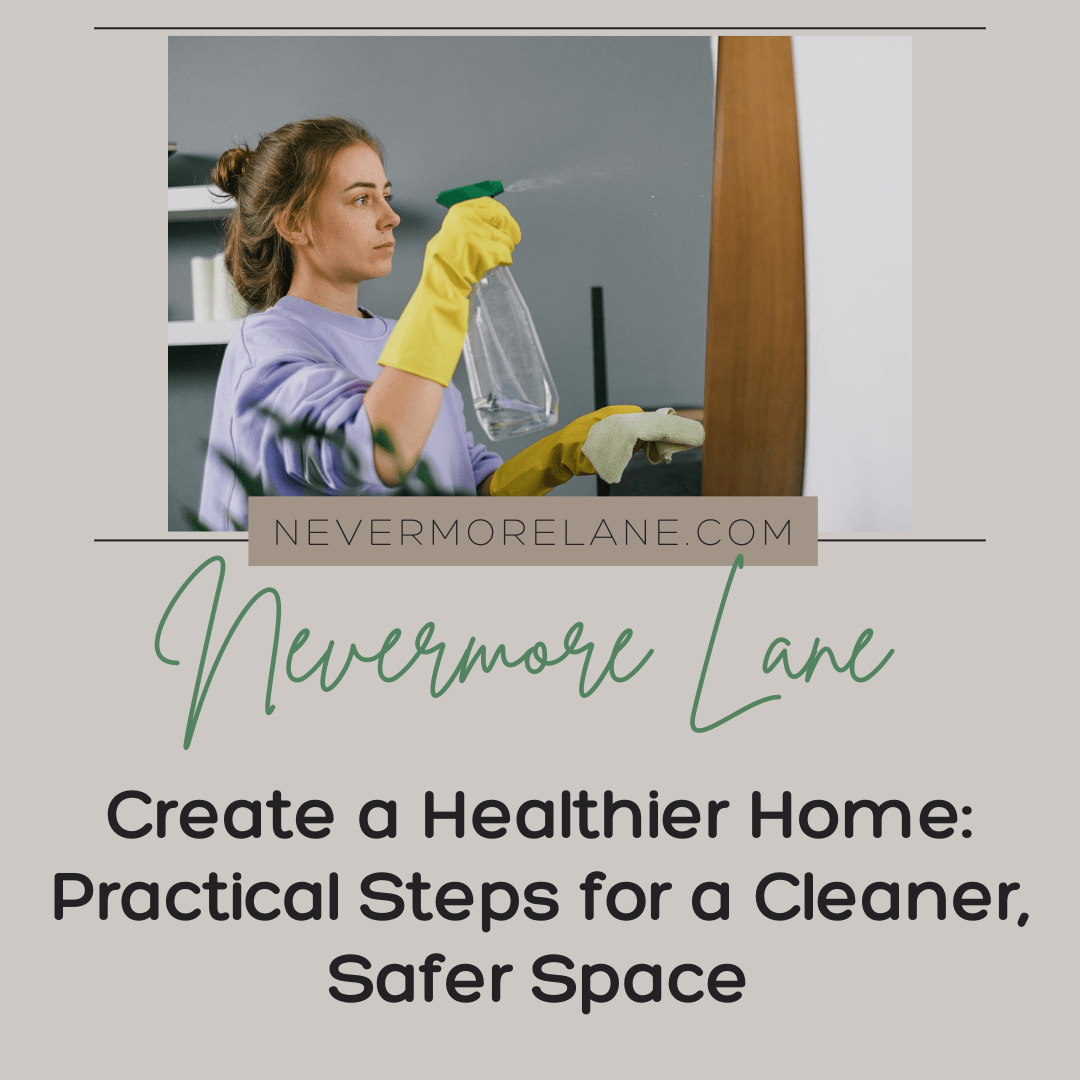
Your home should feel easy to live in. Not just clean on the surface, but fresh, safe, and comfortable in every room. The problem is, small issues build up fast. Dust collects where you don’t notice. Moisture sits where it shouldn’t. Tiny gaps invite pests inside without you seeing it happen. None of this looks serious at first, but it affects how your home feels day to day.
The fix isn’t complicated. You don’t need expensive upgrades or a full reset. What matters is paying attention to the basics and handling them the right way. When you stay on top of a few key areas, your home stays cleaner, your air feels lighter, and you deal with fewer surprises.
Let’s get into the steps that actually help.
Prevent Pests from Entering Your Home
Pests don’t need much to get inside. A small gap near a window, a loose seal under a door, or even a vent without proper covering can be enough. Once they’re in, they settle fast.
Start by checking entry points. Look around doors and windows. If you see cracks or worn seals, fix them. Weather stripping and caulk go a long way here. Food storage matters just as much. Keep dry goods sealed and take trash out regularly. Even small leftovers can draw pests in.
Spring brings another issue. Wasps and hornets become more active as they start building nests. You’ll usually spot them near roof edges, balconies, or quiet corners outside.
If you see a few flying around, it often means a nest is close by. Check early before it grows.
If a nest is visible or activity increases, don’t try to remove it yourself. Wasps and hornets can become aggressive when disturbed. In those cases, it’s safer to call professional wasp and hornet control services. They have the right tools and protective gear to handle it without risk.
Improve Indoor Air Quality
Air quality shapes how your home feels. If the air is stale or heavy, it affects comfort right away. You might notice it as a stuffy room or a lingering smell that won’t go away.
Start with ventilation. Open windows when the weather allows. Fresh air clears out trapped particles and brings balance back into the space. If outdoor air isn’t always an option, air purifiers help. They capture dust, pollen, and other small particles that float around indoors.
Be careful with sprays and strong cleaners. They add chemicals into the air, and those can stick around longer than expected. Use them sparingly and choose milder options when possible.
Keep Moisture Under Control
Moisture causes more problems than most people expect. It leads to mold, damages surfaces, and creates a damp smell that’s hard to ignore. Bathrooms and kitchens are the main trouble spots. Steam builds up fast, especially after hot showers or cooking. Without proper ventilation, that moisture settles on walls and ceilings.
Use exhaust fans every time. Let them run for a few minutes after you’re done. That helps pull excess moisture out before it sticks around. Leaks need quick attention. Even a small drip under a sink can create a damp area that spreads. Check under sinks, around appliances, and near windows.
If you notice condensation on windows, it’s a sign that humidity is too high. A dehumidifier can help balance things out, especially in humid climates.
Keeping moisture in check protects your walls, prevents mold growth, and keeps the air from feeling heavy.
Choose Safer Household Products
Not all cleaning products are a good fit for daily use. Some contain strong chemicals that leave behind residue or fumes. These can irritate the skin and affect indoor air. Reading labels helps. Look for products with clear ingredient lists. Avoid ones with strong artificial scents or harsh warnings unless necessary. Milder cleaners can still handle everyday mess. For surfaces like counters and tables, you don’t need heavy-duty formulas.
Switching to safer options reduces exposure to chemicals and keeps your indoor environment more balanced.
Maintain a Clutter-Free Environment
Clutter builds quietly. A few extra items on the counter, a pile of things on a chair, boxes that never get unpacked. It doesn’t seem like much at first, but it changes how a space feels. When surfaces stay crowded, dust settles faster, and cleaning becomes harder. You end up moving things around instead of actually getting rid of dirt.
Start small. Clear off one surface at a time. Keep only what you use daily within reach. Everything else should have a proper place. Storage helps, but only when it’s used well. Don’t just move clutter into drawers. Organize it so you can find things easily and avoid stacking items without purpose.
Less clutter means fewer spots for dust to collect. It also makes cleaning faster, which helps you stay consistent without extra effort.
Focus on Kitchen Hygiene
The kitchen sees constant use, so it needs regular attention. Food prep, spills, and heat all create the perfect environment for bacteria if things aren’t cleaned properly. Wipe down counters after each use. Even small spills can attract insects or lead to sticky buildup. Use a clean cloth or disposable wipes to avoid spreading germs.
Cutting boards need care, too. Raw foods, especially meat, can leave bacteria behind. Wash them thoroughly after each use and let them dry completely. And, don’t ignore the sink. It handles everything from food scraps to dirty dishes. Rinse it out daily and clean it with a mild disinfectant to keep odors away.
Check your fridge as well. Expired food can go unnoticed and affect the smell of the whole space. A quick check every few days keeps things under control.
A clean kitchen reduces the risk of contamination and keeps your food prep area safe.
Make Your Home Safer for Everyone
Safety isn’t just about big risks. Small precautions matter just as much. A few simple steps can prevent serious problems. Smoke detectors are essential. Install them in key areas and test them regularly. Batteries should be replaced as needed, not just when the alarm starts beeping.
Fire hazards often go unnoticed. Avoid overloading outlets and keep flammable items away from heat sources. This includes things like paper towels near the stove. If you have children or pets, secure items that could cause harm. Cleaning supplies, sharp tools, and small objects should be stored out of reach.
A safer home feels more controlled. You spend less time worrying about accidents and more time using your space comfortably.
A healthier home comes down to being a bit more intentional with how you use and care for your space. It’s about noticing the small things before they turn into bigger problems and staying consistent with habits that actually support your day-to-day life. When your air feels clean, your surfaces stay clear, and your home runs safely, everything else feels easier to manage. Stick with these practical steps, and you’ll create a space that stays comfortable, reliable, and ready for whatever your routine brings.