What to Do When Your Home Has Water Damage
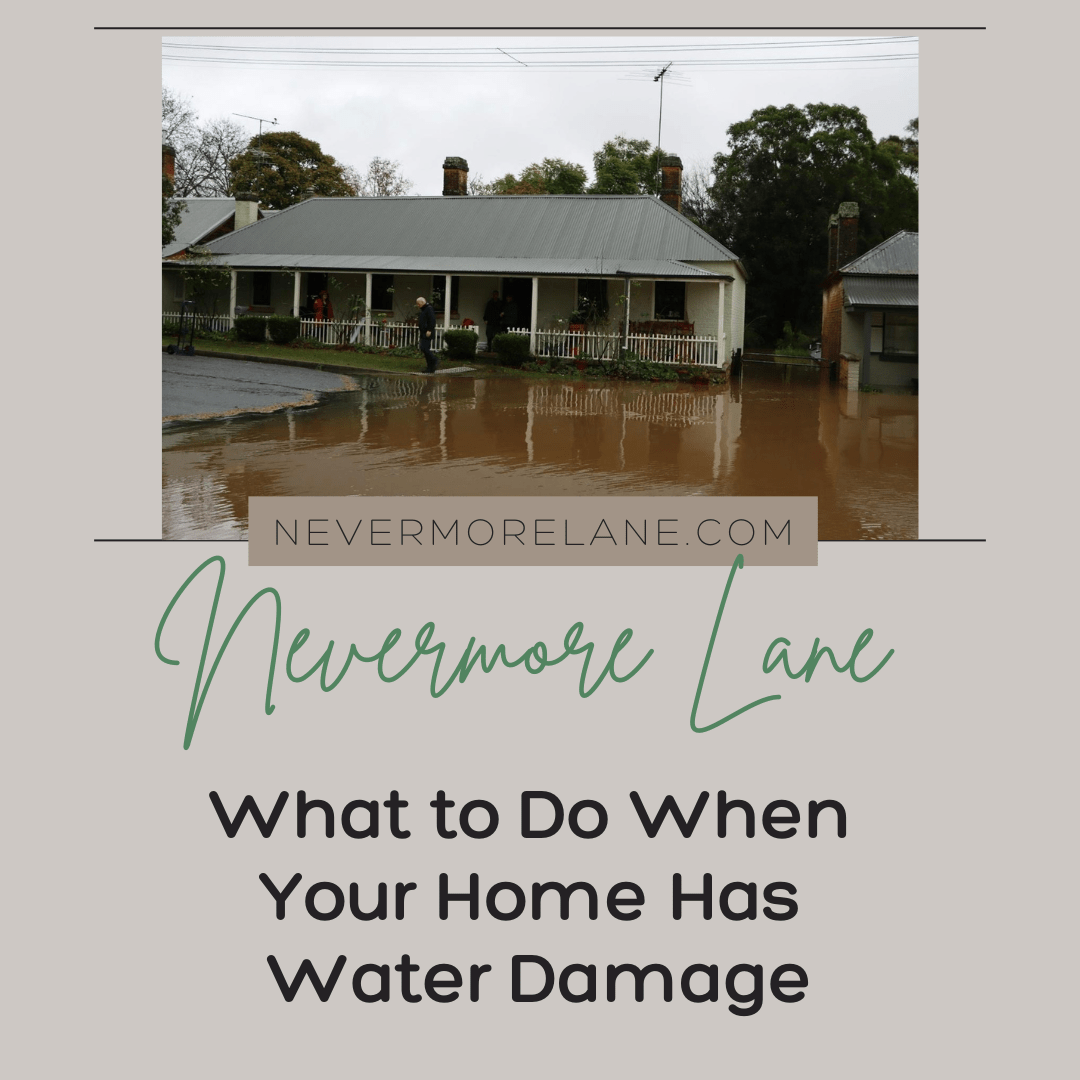
Water damage can feel overwhelming the moment you notice it. A soaked ceiling, warped flooring, or standing water in the basement immediately raises questions about safety, cost, and long-term impact. Quick, steady action makes a significant difference in limiting destruction and protecting your investment.
First priority involves making sure everyone in the home is safe. Next comes identifying the source of the water and stopping it if possible. Documentation should follow closely behind, since insurance claims depend on accurate records. Cleanup and drying need to begin as soon as conditions are safe.
Check for Immediate Safety Hazards
Safety always comes before cleanup. Water and electricity create a danger when they meet. Standing water near outlets, appliances, or electrical panels calls for caution. Shutting off power to the affected area reduces the risk of shock. If access to the breaker panel requires walking through water, waiting for a professional is the safer choice.
Contaminated water presents another concern. Water from broken supply lines is very different from water that backs up from drains or floods from outside. Gray or black water may carry bacteria and harmful debris. Protective gloves and boots help limit exposure during inspection. Flooring can also become unstable.
Understand the Financial Impact of Water Damage
Water damage affects more than walls and flooring. Repair costs vary widely depending on how much water entered the home, how long it remained, and which materials absorbed it. Hardwood floors, insulation, cabinetry, and drywall each respond differently to moisture. Some materials can be dried and restored, while others require full replacement.
Insurance coverage depends on the source of the problem. Sudden pipe bursts are often covered under standard homeowners’ policies. Gradual leaks or unresolved maintenance issues may not qualify. Careful documentation strengthens your claim and prevents unnecessary disputes. The cost to repair water damage usually ranges from several thousand dollars for minor pipe leaks to much higher amounts when structural drying, demolition, and mold remediation become necessary. Delayed action often pushes those numbers upward because moisture spreads beyond visible areas. Understanding potential expenses reinforces the need to act quickly and decisively. Stopping the source becomes the next logical step.
Stop the Source of Water Immediately
Active water flow continues to cause damage every minute it remains unchecked. Burst pipes, malfunctioning appliances, roof leaks, and foundation cracks are common causes. Locating the source allows you to prevent additional saturation.
Beyond these immediate actions, assessing the full extent of plumbing damage and ensuring a lasting fix often necessitates calling in a plumbing repair company for a thorough evaluation and professional repair. Identifying subtle leaks or underlying issues that led to the failure requires specialized equipment and expertise to prevent recurrence, protecting the home from future water damage.
Turning off the main water supply is often the fastest solution for plumbing failures. Homeowners should know the location of the shutoff valve before an emergency happens. Roof leaks may require temporary tarping until professional repairs can be completed. Appliance-related leaks may stop once the unit is disconnected.
Remove Standing Water and Start the Drying Process
Standing water seeps into flooring, baseboards, and subflooring quickly. Immediate removal limits how deeply moisture penetrates. Mops, buckets, and wet vacuums work well for smaller areas. Larger flooding events may require professional extraction equipment.
Air circulation plays a key role in drying. Fans positioned to move air across wet surfaces speed evaporation. Dehumidifiers pull moisture from the air, preventing it from settling back into materials. Opening windows can help when outdoor humidity is low. Time matters during this stage. Mold growth can begin within 24 to 48 hours under the right conditions. Thorough drying protects structural integrity and reduces the likelihood of additional restoration work later.
Protect Furniture, Electronics, and Personal Items
Water spreads quickly through carpets and into furniture legs. Moving items away from damp areas prevents further absorption. Placing aluminum foil or wooden blocks under furniture legs keeps them from soaking up moisture from wet flooring.
Electronics require special care. Power should remain off until devices are fully dry and inspected if necessary. Important documents, photographs, and keepsakes should be relocated to a dry environment as soon as possible. Gentle air drying works for some materials, though professional restoration may be needed for valuable or delicate items.
Inspect Walls, Floors, and Structural Components
Surface water often tells only part of the story. Moisture can settle behind drywall, beneath flooring, and inside insulation without leaving obvious signs right away. Careful inspection helps determine how far the damage extends.
Soft spots in drywall, bubbling paint, and staining along baseboards suggest water intrusion behind the surface. Wood flooring may cup or warp as it absorbs moisture. Subflooring can weaken if water remains trapped underneath. Ceiling sagging points to saturation above, which may require immediate attention to prevent collapse.
Contact Your Insurance Provider and Start a Claim
Early communication with your insurance company keeps the recovery process organized. Most policies require prompt reporting after discovering damage. A clear timeline of events, along with photos and written notes, strengthens your claim.
Adjusters typically inspect the affected areas to determine coverage and repair scope. They evaluate the source of the water, the category of damage, and the condition of materials before the incident. Honest and detailed communication helps avoid misunderstandings. Keeping receipts for emergency repairs, drying equipment rentals, and temporary accommodations supports reimbursement requests.
Strengthen Your Home Against Future Water Damage
Preventive measures protect both your property and your budget. Routine plumbing inspections can catch small leaks before they become major problems. Appliance hoses should be checked regularly for cracks or wear. Replacing aging water heaters and washing machine lines reduces failure risks.
Gutters and downspouts need proper alignment to direct water away from the foundation. Grading around the home should slope outward to prevent pooling. Roof inspections after major storms help identify loose shingles or flashing issues. Water leak detection systems provide early alerts when moisture is detected. Humidity monitoring inside the home helps maintain balanced indoor conditions that discourage mold growth.
Water damage demands immediate attention, though a calm and structured approach leads to better outcomes. Safety comes first, followed by understanding financial implications and stopping the source. Drying, inspection, and careful documentation form the foundation of effective recovery.
Insurance coordination and preventive upgrades complete the process. Each step connects logically to the next, creating a clear path from crisis to restoration. Quick decisions and informed actions protect your home’s structure, preserve your belongings, and reduce unnecessary expenses.