Affordable Perfume Alternatives That Smell Like Luxury for Less
There’s a particular kind of sticker shock that hits when you’re standing at a department store counter, holding a bottle of cologne you actually like, and turning it over to find a price tag north of $200. For a lot of people, that’s the exact moment they either swipe the card anyway or walk out smelling like nothing at all.
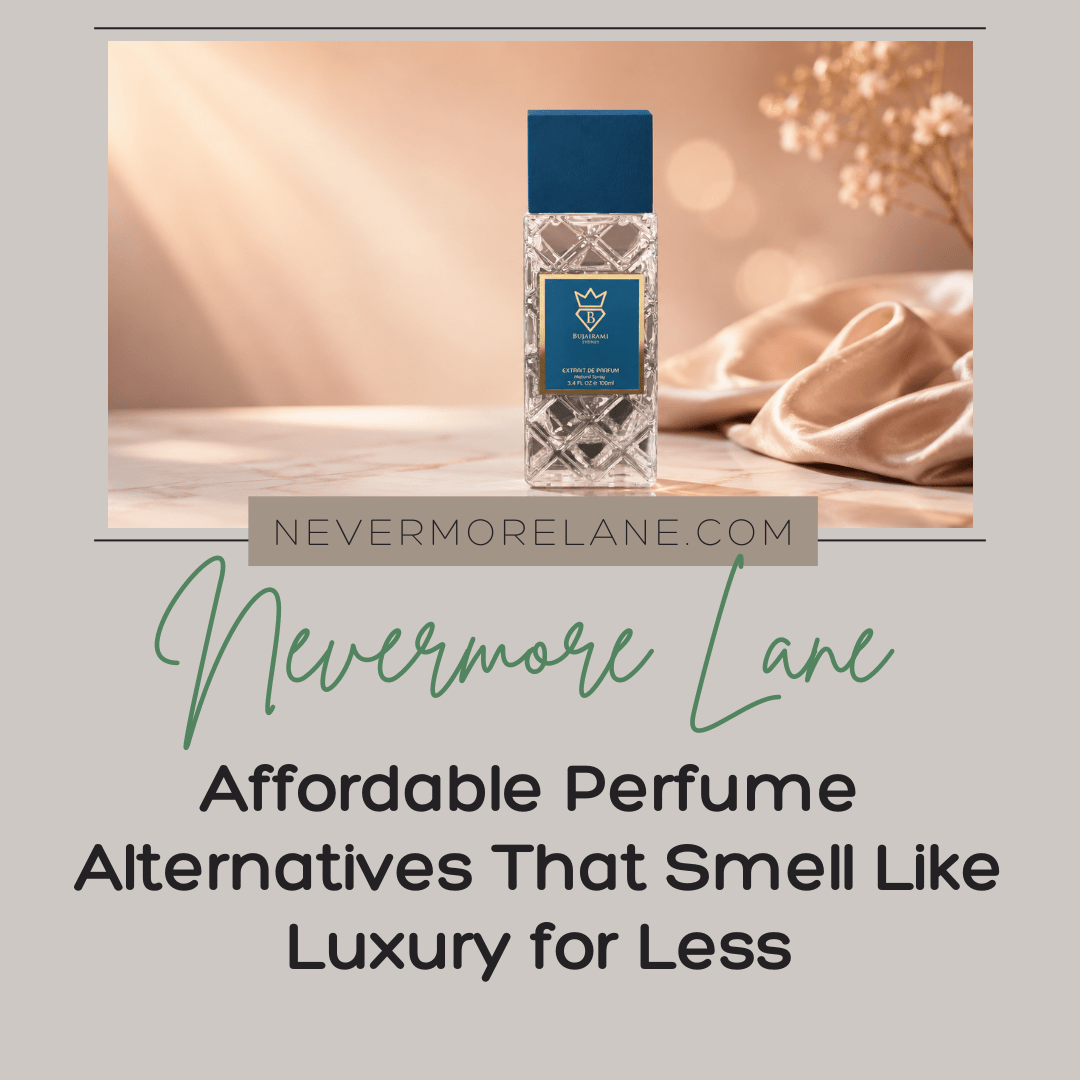
Neither option is great, and neither is necessary. A genuinely well-made affordable fragrance can get you most of the way to that luxury scent for a fraction of the cost, and browsing Bujairami’s range of men’s fragrances is a good place to see just how far that budget can stretch.
There’s still a bit of stigma attached to the word “dupe,” usually from people who haven’t actually tried a well-made one. Once you get past that, the maths starts to look pretty hard to argue with.
Why Designer Cologne Costs What It Does
Most of the price on a designer bottle has little to do with what’s actually inside it. Brand licensing alone can eat up a huge chunk of the retail cost, especially for fragrances tied to a fashion house or celebrity name. Add in glass bottle design, advertising campaigns, and the margin retailers expect, and the fragrance oil itself might account for a fairly small slice of what you’re handing over at the till.
That’s not a knock on luxury brands. It’s just how the economics work, and it explains why two bottles that smell almost identical can be priced hundreds of dollars apart. A $250 bottle of Aventus and a $50 alternative built around the same pineapple and birch accord aren’t drawing from wildly different quality ingredients so much as wildly different overheads.
What “Affordable Alternative” Actually Means
The phrase gets thrown around loosely, so it’s worth being honest about what it covers. It’s not the same as the $8 body spray you grab at a servo, sprayed on thick to cover up a big night out.
A genuine alternative fragrance is formulated to sit in the same concentration range as an eau de parfum, using real fragrance oils rather than a handful of cheap aromachemicals. The quality gap between those two categories is enormous, even though people often lump them together under “cheap perfume.”
Some brands go further and release their alternatives as extrait strength, which means more oil and less filler than even a standard eau de parfum. That’s worth knowing, because it’s the opposite of what most people assume when they hear the word “affordable.”
How Close These Scents Really Get
Closer than most sceptics expect, but it depends heavily on who made it. A well-blended alternative to something like Dior Sauvage or Creed Aventus can smell remarkably similar on first spray, because perfumers can usually identify and recreate the dominant notes in a popular formula.
Where things diverge is in the finer detail: how a scent evolves over six or eight hours, and the subtle complexity a master perfumer builds into an original composition. But here’s the part that tends to surprise people. Most noses in a room, including plenty of fragrance enthusiasts, can’t reliably tell a well-made alternative apart from the original once it’s settled on skin for an hour.
It’s not unusual for someone to compliment what they assume is a $200 bottle, only to find out it cost a fraction of that. Nobody cares in that moment, and honestly, nobody should. If the goal is to smell genuinely good rather than win a blind test against a perfumer, a well-formulated alternative does the job.
Wearing Fragrance With Confidence on a Budget
Confidence in fragrance comes down to consistency, not price. Smelling intentional and suited to the occasion matters more than whether anyone recognises the brand name on the bottle.
A good approach is picking two or three fragrances that cover different situations: something clean and citrusy for work, something warmer and spicier for evenings out, rather than pouring your whole budget into one bottle and wearing it every single day. Because affordable alternatives cost a fraction of designer pricing, building that kind of range is actually realistic instead of a five-year savings goal.
It’s worth thinking about the season too. Heavier, spice-forward scents that feel great in winter can come across as overwhelming in Australian summer heat, so having a lighter citrus or aquatic option on hand for warmer months keeps you from overdoing it without even realising.
What to Check Before You Buy
A few basics are worth checking first. Look for a brand that lists actual fragrance notes rather than vague marketing copy, since that usually signals real effort went into the blend rather than a similar name slapped on a random scent.
Check the concentration too, extrait or eau de parfum strength will always outperform a diluted eau de toilette. And pay attention to how a brand handles returns, because a company confident in its product isn’t going to make things difficult if a scent doesn’t work out on your skin.
If you can grab a small sample or tester size before committing to a full bottle, do it. Skin chemistry varies enough from person to person that a scent worth loving on a mate might sit differently on you, and a five dollar sample is a much cheaper way to find that out than a fifty dollar bottle.
Our Final Thoughts on Fragrance
Smelling expensive has never actually required spending like it. The real skill is knowing what you’re buying and why, rather than assuming a bigger price tag automatically means a better fragrance.
Once you find a handful of alternatives that suit you, fragrance stops feeling like a luxury you have to save up for and starts being something you just enjoy. That’s really the whole point of wearing scent in the first place, and it shouldn’t cost you a fortune to get there.