Do Kratom Pronunciations Change by Region? What Travelers Should Know
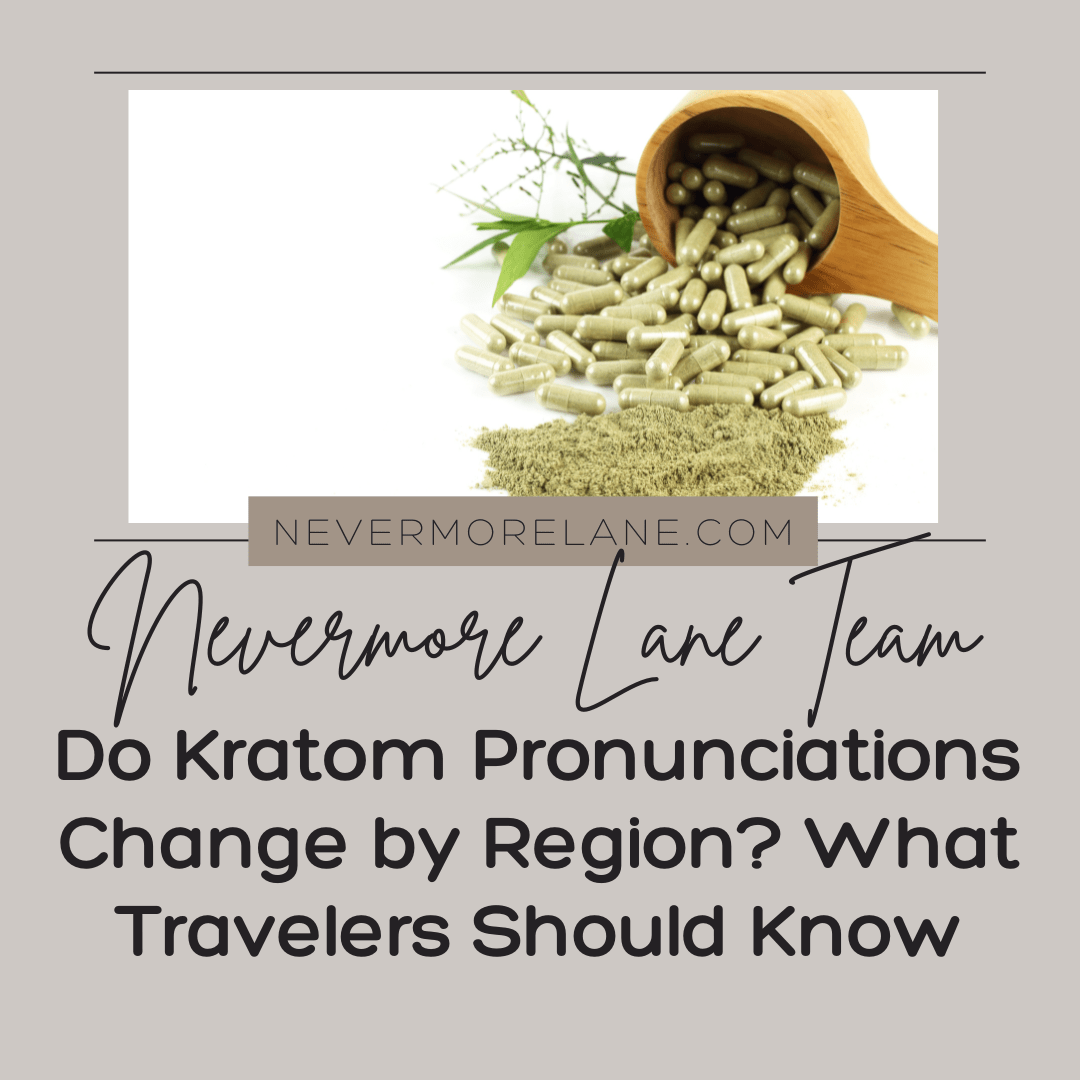
Travelers exploring kratom’s cultural significance and legal status across different regions often encounter pronunciation variations that create confusion during conversations with local vendors, researchers, or cultural guides who may interpret mispronounced terms as unfamiliarity with respectful usage practices. The botanical name Mitragyna speciosa and various regional terms for kratom carry different pronunciations based on linguistic traditions, local dialects, and cultural contexts that evolved independently across Southeast Asian communities where the plant holds traditional importance. Many visitors discover too late that their pronunciation attempts inadvertently signal tourist status or cultural insensitivity, potentially limiting access to authentic information about traditional uses and regional perspectives on this controversial botanical.
Kratom Stock photos by Vecteezy
The understanding emerges when travelers recognize that kratom pronunciation variations reflect deeper cultural connections and regional histories that deserve respectful acknowledgment rather than casual dismissal as mere linguistic curiosities. Different regions maintain distinct pronunciation traditions that connect to ancestral knowledge, traditional preparation methods, and cultural ceremonies that span generations of indigenous use. The most culturally aware travelers invest time in learning proper regional pronunciations while understanding the legal and social contexts that shape local attitudes toward kratom discussion and usage.
Navigate kratom conversations respectfully across different regions through awareness of pronunciation variations and cultural sensitivities that demonstrate understanding of traditional contexts and local perspectives. The key lies in recognizing that proper pronunciation serves as a bridge to meaningful cultural exchange rather than simply correct phonetic expression of botanical terminology.
Common Pronunciations Of Kratom Around The World
Here’s where things get funny. The plant is the same everywhere, but the way people say “Kratom” can make you feel like you’ve stepped into a game. In Thailand, it’s short and snappy, “kra-tom,” almost like they’re in a hurry. In Malaysia and Indonesia, you’ll catch a different tone: sometimes “ker-tom,” sometimes “kra-tawm,” depending on who you’re talking to.
Fly over to the U.S., and you’ll find people split down the middle, half say “kray-tum,” while others insist on “kra-tum.” Head to Europe, and every accent puts its own spin on it; the French stretch the vowels, while Germans make the “t” sound extra sharp.
The fun part? No one’s really wrong. It just proves that Kratom has picked up a bunch of accents while traveling the world, kind of like a well-traveled friend with stories in every city.
Source: Pixabay
Why Do Kratom Pronunciations Differ?
Here’s the fact you’re not crazy if you’ve heard ten different ways to say “Kratom.” It really does change depending on where you are. In Thailand, the word comes from Thai itself, so locals say it quick and clipped, kind of like “kra-tom.” Fly over to the U.S., and suddenly people are split into teams; some swear it’s “kray-tum,” others stick with “kra-tum.”
Neither side is backing down. Head to Europe and you’ll hear even more twists, because every language has its own rhythm. A French speaker will stretch it out, while a German might make the “t” hit harder.
So why all the versions? Only because people just shape words to fit the sounds they’re often used to. Nothing is right or wrong, it’s just accents doing their thing. If you’re traveling, expect a few surprises, smile when you hear a new version, and roll with it.
What Should Travelers Know? 5 Things To Know
Nobody’s keeping score.
Don’t worry about saying it perfectly. Whether you go with “kray-tum” or “kra-tum,” people will get it. Locals have heard all sorts of kratom pronunciation attempts from travelers. The important part is asking with confidence; most of the time, they’ll know what you mean right away.
Listen and copy.
A simple trick is to pay attention to how the person in front of you says it. If a shop owner in Thailand says “kra-tom,” repeat it back that way. Matching their kratom pronunciation makes things easier, and it also shows a little respect for the local version.
The U.S. is split.
In America, you’ll quickly notice two main camps: “kray-tum” and “kra-tum.” Most of it is common, and neither is incorrect. Do not land in a bubble of overthinking, thinking you made a big mistake while speaking. You must tell yourself you are free to choose whichever pronunciation is more comfortable for you. Also, you’ll be fine whether you’re in a café, a store, or talking with other buyers. Just say what you like and get it home.
Expect new twists in Europe.
Europe adds even more flavor. A German speaker might hit the “t” harder, while in France, the vowels come out longer. Your pronunciation should not necessarily match with others. People mostly know what you’re trying to say; it’s just their accent giving it a different appearance altogether.
A smile smooths everything.
Sometimes you might still get a blank look, and that’s fine. Just smile and give it a chance again. People are patient when they see you’re trying. Even if you are far from perfect, a friendly attitude turns it into an easy, laugh-it-off moment.
Source: Pixabay
Fun Anecdotes & Mispronunciations Travelers Might Encounter
- The “Kray-tom” Face: In Thailand, saying “kray-tum” might get you a quick smile or puzzled look. Locals usually say “kra-tom,” so your version sounds a little foreign but still understandable.
- Texas Confidence: Walk into a smoke shop in Texas and ask for “kra-tum,” and the clerk may correct you with “You mean kray-tum?” They’re just used to their own version.
- The Stretchy French Twist: In France, you may hear “kra-tohm” with an extra vowel sound. Travelers often think it’s a new word entirely.
- The German “T”: In Germany, the “t” can sound extra sharp, making “Kratom” come out stronger, almost like “kra-tom!”
- Lost in Translation: Some travelers report locals mistaking “Kratom” for “cardamom” when pronounced awkwardly in English. Context usually clears it up fast.
- Laugh It Off: A mispronunciation rarely causes problems; most of the time, it turns into a quick laugh and a story to share later.
It’s Really No Big Deal
Here’s the honest truth: no one says Kratom the same way everywhere, and that’s part of the charm. In Thailand, it’s quick and clipped. In the U.S., you’ll hear the “kray-tum” crowd and the “kra-tum” crowd arguing like it matters. In Europe, accents twist it again. There isn’t one “right” kratom pronunciation; there are just different ones, shaped by language and habit.
If you’re traveling, don’t consider it a big deal. Say it in whatever way you know it, and if someone says it differently, just play along. You’re not taking a test here, you’re just trying to order tea or talk in a shop. Most people will get you, even if you stumble. And if they don’t, a second try or a little laugh usually does the trick. That’s all it really is: a word that sounds different depending on where you land.
Respect Regional Traditions Through Proper Pronunciation Awareness
Kratom pronunciation varies significantly between Southeast Asian regions where the plant holds traditional cultural importance and Western countries where botanical interest focuses primarily on alkaloid research. Thai, Malaysian, and Indonesian communities maintain distinct pronunciation patterns that reflect linguistic heritage and cultural usage contexts. Understanding these variations demonstrates respect for traditional knowledge systems.
Regional legal climates influence how openly kratom discussions occur and whether proper pronunciation knowledge becomes accessible to travelers and researchers. Countries with restrictive policies may limit educational opportunities while regions with traditional tolerance provide more authentic cultural learning experiences. Travelers should research local regulations before engaging in kratom conversations.
Cultural sensitivity requires understanding that kratom pronunciation extends beyond phonetic accuracy to encompass respect for indigenous knowledge and traditional practices. Many communities view casual botanical tourism as exploitation of ancestral wisdom without reciprocal cultural understanding. Appropriate pronunciation paired with cultural awareness opens doors to meaningful educational exchanges.