You Can’t Outwork a Living Space That Drains You
You can love your job. You can be ambitious. You can be disciplined, organised, and deeply motivated.
And still feel constantly tired.
That’s the part people don’t always talk about. Burnout isn’t only created in boardrooms or inboxes. Sometimes it’s waiting for you when you get home. In the lighting. The noise. The layout. The sense that your space is asking things of you instead of giving anything back.
You don’t need a total life overhaul to move forward. But you do need to pay attention to where you’re trying to recover.
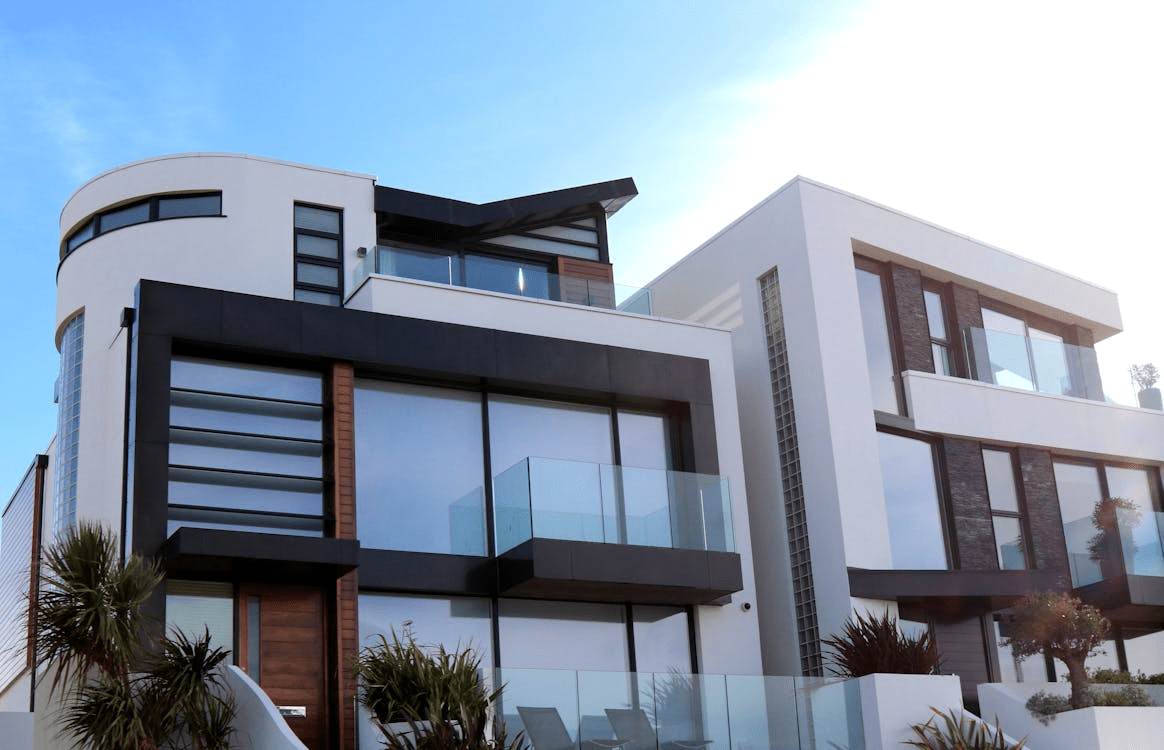
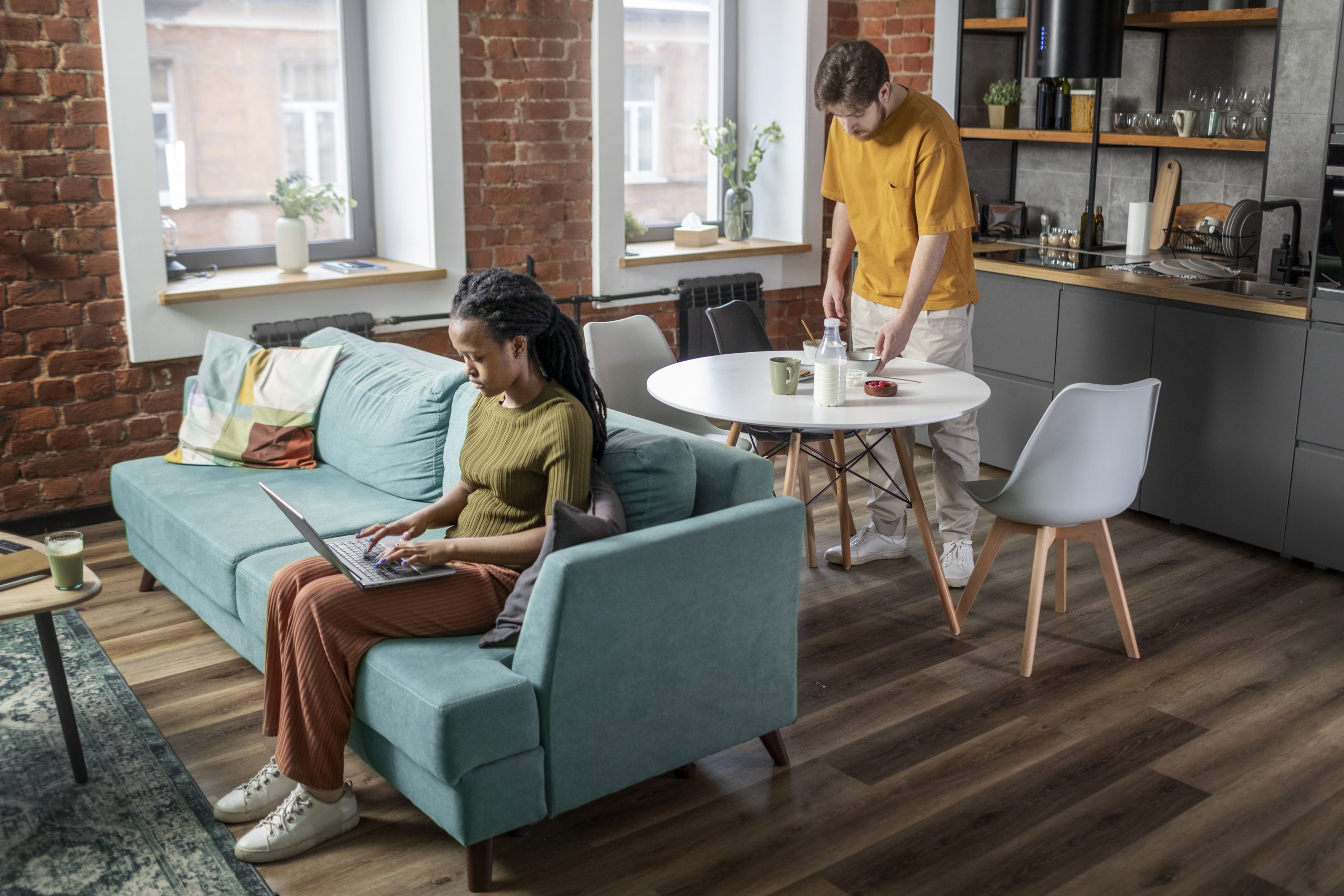
Via Pexels
Burnout isn’t always About the Job
When you feel stretched thin, it’s easy to assume the problem is workload or pressure. Sometimes it is. But sometimes you’re actually doing fine at work and still feel depleted because your living space never lets your nervous system stand down.
If your home is cramped, chaotic, poorly maintained, or constantly disruptive, it keeps you in a low-grade stress loop. You never fully rest. Even your downtime requires effort.
Over time that drain times add up.You start waking up tired. You lose creative energy. Your patience gets shorter. And no amount of productivity hacks will fix that, because the problem isn’t how hard you’re working. It’s where you’re trying to recharge.
When Better Living Conditions Support Long-Term Ambition
Ambition needs fuel. Not hype. Not hustle culture. Actual, physical support.
A well-designed living space does something subtle but powerful. It reduces friction. You waste less mental energy navigating discomfort, clutter, or constant repairs. You sleep better. You think clearer. You feel more in control.
This is where luxury apartments often get misunderstood. It’s not about status or showing off. It’s about infrastructure that works. Sound insulation that lets you focus. Reliable utilities. Layouts that respect how modern professionals actually live and work.
When your environment supports you, consistency becomes easier. And consistency is what compounds over time.
Choosing Stability While You Scale Your Career
Early career culture glorifies struggle. The idea that instability builds character. That you’re supposed to tolerate uncomfortable living situations until you “make it.”
But there’s a difference between strategic sacrifice and unnecessary stress. Choosing a stable, functional home while you grow your career isn’t settling. It’s creating a base that allows you to take smarter risks elsewhere. You can push harder at work when your personal life isn’t constantly demanding repairs, compromises, or emotional bandwidth.
Stability doesn’t make you complacent. It makes you resilient.
Your Environment Shapes How You Show Up
Pay attention to how you feel when you walk through your front door. Not how you think you should feel. How you actually feel.
Do your shoulders drop, or tense?
Do you feel grounded, or immediately overstimulated?
Does your space reflect the person you’re becoming, or the version of you that was just trying to get by?
Your home doesn’t need to be perfect. It does need to be aligned.
Working Harder isn’t Always the Answer
If you’re constantly pushing but not moving forward the way you expect, it might not be a motivation problem. It might be an environmental problem.
You can’t outwork a space that drains you every day. But you can choose one that quietly supports your growth, your rest, and your long-term goals.
Sometimes the most empowering career move isn’t another late night. It’s changing where you come home to.