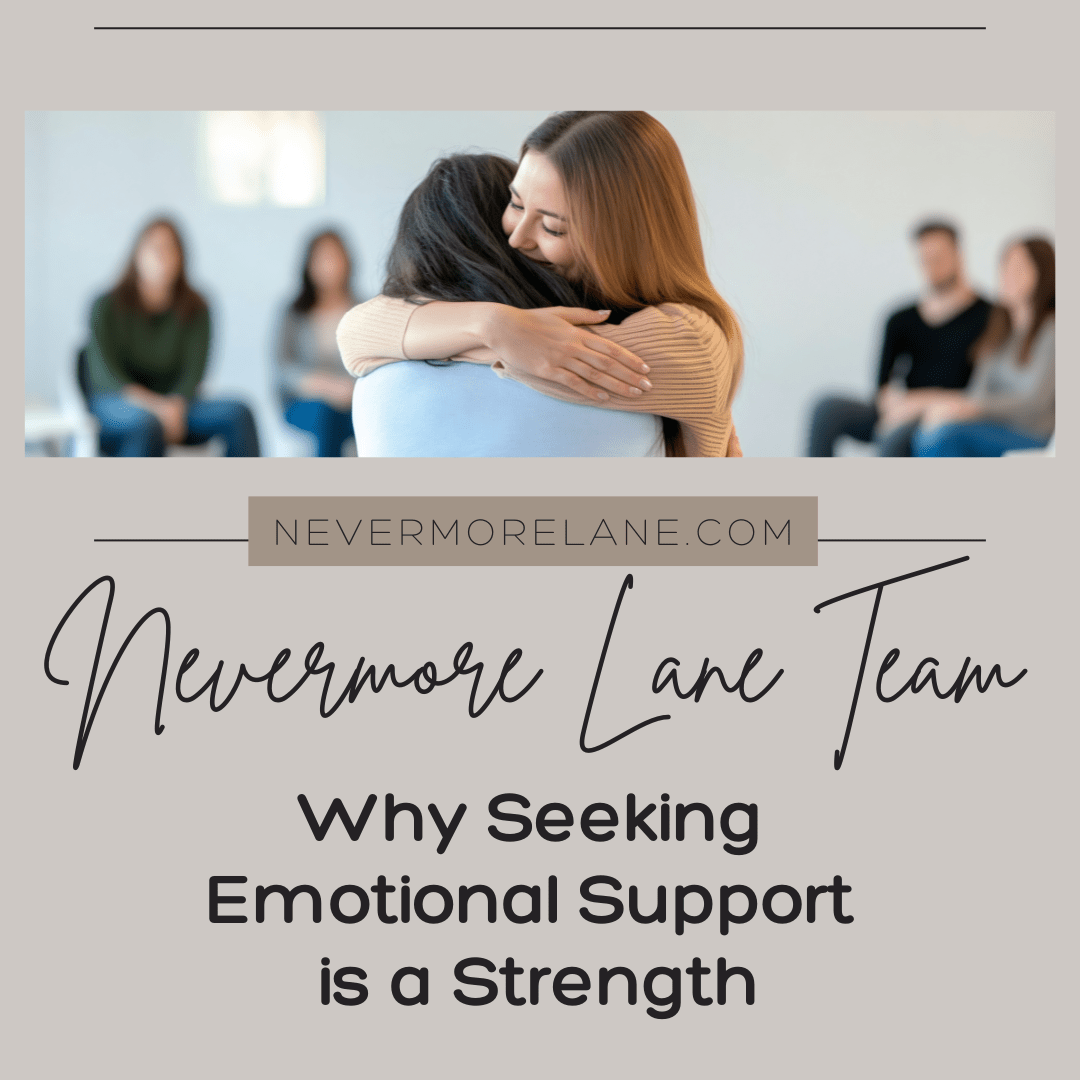
Why Seeking Emotional Support Is a Strength
Key Takeaways
- The Misconception About “Doing It Alone”: Let go of the belief that independence means isolation so you can build healthier, more supportive connections.
- Emotional Support Builds Self-Awareness: Open conversations help you reflect, recognize emotional patterns, and grow your emotional intelligence.
- Support Systems Improve Mental Health: Build strong relationships and self-care habits to lower stress and protect your emotional well-being.
- How Vulnerability Strengthens Confidence: Be open about your emotions and invest in yourself to develop courage, authenticity, and lasting confidence.
- The Role of Healthy Relationships in Growth: Strengthen trust and empathy by forming genuine connections and joining support groups.
- Practical Ways to Seek Emotional Support: Reach out to trusted people, explore the benefits of journaling, and seek professional guidance when needed.
- Overcoming Barriers to Asking for Help: Replace fear and stigma with honesty and courage so you can welcome the support you deserve.
- Turning Support into Strength: Use emotional support to build resilience, gratitude, and confidence that help you grow stronger over time.
Everyone faces moments when emotions feel too heavy to carry alone. Still, many people try to hold it all in, believing that asking for help means they are not strong enough. The truth is, strength is not about facing everything by yourself. It is about having the courage to reach out when life feels overwhelming.
In this article, you will learn why seeking emotional support is a powerful act of self-awareness and resilience. You will also see how connection, vulnerability, and understanding can help you heal, grow, and feel more in control of your life.
The Misconception About “Doing It Alone”
Modern culture often glorifies independence. You hear phrases like “stand on your own two feet” or “tough it out.” While self-reliance is valuable, relying only on yourself can become isolating. Carrying everything alone drains your energy and keeps you from healing.
You don’t lose strength by leaning on others. You gain perspective and understanding. Humans have always thrived through connection. Families, communities, and friendships all exist for a reason. Asking for support simply honors that truth.
Still, many people feel pressure to appear strong even when struggling. You might feel that showing emotion is a weakness or fear that others will misunderstand. Over time, that habit leads to burnout, emotional fatigue, and even strained relationships. Recognizing that you don’t have to “do it all” is a vital first step toward inner peace.
Emotional Support Builds Self-Awareness
Understanding your emotions can be confusing when you’re holding everything inside. Emotional support gives you a clearer view of what’s happening within. Here’s how it helps you build better self-awareness:
- Encourages reflection: Talking about feelings helps you organize and make sense of them.
- Reveals blind spots: Others can notice patterns or behaviors you may not see.
- Strengthens emotional vocabulary: Naming emotions helps you respond more calmly and intentionally.
- Improves perspective: Supportive conversations help you see beyond your immediate worries.
- Promotes emotional regulation: Discussing feelings with someone who listens helps you calm intense emotions before they take over.
- Inspires accountability: When you share your experiences, you become more aware of how your choices affect your emotions and relationships.
Each of these moments deepens your understanding of yourself. You also begin to recognize your emotional needs, the internal signals that tell you when to slow down, connect, or ask for help. As you learn to express yourself openly, your emotional intelligence grows, allowing you to manage relationships and reactions with more balance and empathy.
Developing self-awareness also makes it easier to identify when something feels off. You start catching emotional patterns before they turn into deeper stress. This awareness helps you take proactive steps toward healing instead of waiting until you feel overwhelmed.
Support Systems Improve Mental Health
Having people who listen to you can ease stress and lighten emotional weight. Connection reduces feelings of loneliness and helps your mind process emotions better. When others show empathy, it reminds your nervous system that you’re safe. That sense of safety calms anxiety and encourages healing.
If you’re struggling to manage overwhelming emotions or persistent anxiety, seeking guidance from a mental health treatment center can help you understand what’s happening beneath the surface. These centers provide a safe environment where professionals teach coping strategies and help you rebuild balance in your life. Reaching out for this kind of support doesn’t mean you’re broken. It means you’re taking proactive steps toward well-being.
Science supports this, too. A study shows that social support lowers stress hormones and boosts mood regulating chemicals in the brain. That’s why emotional support is more than comfort. It’s a key part of staying mentally healthy and protecting your overall emotional well-being.
Regular connection also strengthens your immune system, improves sleep, and even enhances focus. When you surround yourself with caring people, you’re investing in both your mind and body.
How Vulnerability Strengthens Confidence
Opening up about your emotions might feel uncomfortable at first. You might worry about being misunderstood or judged, but true confidence begins when you stop hiding and start showing your authentic self. Vulnerability is not a weakness. It is a powerful act of courage that allows you to connect with others and with yourself more deeply.
Letting others in shows emotional courage. It means you are comfortable being seen as imperfect. That honesty inspires connection because people respond to sincerity, not perfection. When you share openly, you show others that it is safe to be real, too.
Over time, vulnerability builds inner strength. You learn to express yourself clearly and without fear. It turns pain into purpose and helps you stand taller in your truth. Choosing to invest in yourself by setting healthy boundaries, nurturing your growth, and honoring your emotions reinforces that same confidence and self-respect. Being vulnerable also helps others see that they can do the same, creating a chain of openness and trust that strengthens every bond you build.
The Role of Healthy Relationships in Growth
Supportive relationships give you space to grow. When people listen and encourage you, they create an environment where learning feels safe. That safety lets you explore who you are and who you want to become.
Healthy connections remind you that growth doesn’t happen in isolation. You develop new ideas and habits by engaging with others. They challenge you kindly and help you see potential you didn’t know you had.
Mutual encouragement builds resilience. You celebrate wins together and share lessons from mistakes. These shared moments create meaning and motivation to keep improving.
Strong support systems and deep emotional connection also nurture trust and empathy. They remind you that your journey doesn’t have to be lonely and that true growth happens through relationships built on understanding and active listening. Over time, these qualities form the heart of emotional stability and personal development.
 Practical Ways to Seek Emotional Support
Sometimes, knowing where to start is the hardest part. If you’re unsure how to seek emotional support, these simple actions can help:
- Reach out to a trusted friend or family member for an honest talk.
- Try journaling to release your thoughts in a safe, private way.
- Look for local or online support groups with people who share your experiences.
- Speak with licensed therapists who can guide you through emotional challenges.
- Join a community group or faith-based program to stay connected.
- Practice asking for help in small ways, like advice or a listening ear.
Each of these options gives you room to open up without pressure. The more you practice reaching out, the more natural it becomes to seek help when life feels heavy.
Even small acts of social contact, such as chatting with a coworker or walking with a neighbor, can brighten your mood and remind you that you’re not alone. These daily interactions provide comfort and stability, especially during stressful times.
Overcoming Barriers to Asking for Help
Many people hesitate to seek help out of fear. You might worry others will see you differently or think you’re weak. But needing support doesn’t mean you’ve failed. It means you’re aware enough to care for your mental health.
Stigma still stops many from speaking up. Some grew up believing emotions should stay private. Others have been dismissed before and fear rejection again. These experiences make reaching out harder, but not impossible.
To break that barrier, start with honesty. Tell someone you trust that you’re finding things difficult. Often, you’ll discover they’ve felt the same way at some point. That shared understanding can ease your hesitation and remind you that connection heals.
You can also seek help from professionals trained in therapeutic techniques. These structured methods help you reframe negative thoughts and strengthen your coping skills. With the right guidance, asking for help becomes a sign of progress, not weakness.
Turning Support into Strength
When you embrace support, you change how you face challenges. It’s no longer about just surviving, it’s about growing. Here’s how emotional support turns into lasting strength:
- You gain fresh insights that help you solve problems with confidence.
- You build resilience by seeing proof that you can recover with help.
- You develop gratitude that improves your mindset and emotional balance.
- You strengthen hope by realizing you don’t have to face hardships alone.
- You build confidence through mutual encouragement and shared progress.
- You learn to trust both yourself and others, creating a stronger foundation for emotional stability.
Each of these outcomes builds on the other. Together, they transform emotional support into personal empowerment and stronger self-awareness. Over time, this growth also contributes to better physical health and a balanced mindset. The process becomes cyclical, the more support you accept, the stronger and more capable you become of offering it to others in return.
When support becomes part of your life, it changes how you experience challenges. You move through pain with purpose, knowing you’re never alone. That awareness turns vulnerability into confidence and connection into strength.
You Never Have to Be Alone
Strength isn’t about facing everything in silence. It’s about letting others in when life feels heavy. By reaching out, you honor your emotions and give yourself the best chance to heal.
The truth is, everyone needs support sometimes. That need doesn’t make you fragile. It makes you human. When you learn to lean on others, you discover how powerful compassion really is.
Let yourself accept help without guilt or fear. In doing so, you’ll find that emotional support doesn’t weaken your strength. It defines it.