Why More Remote Workers Are Choosing Lifestyle-First Destinations
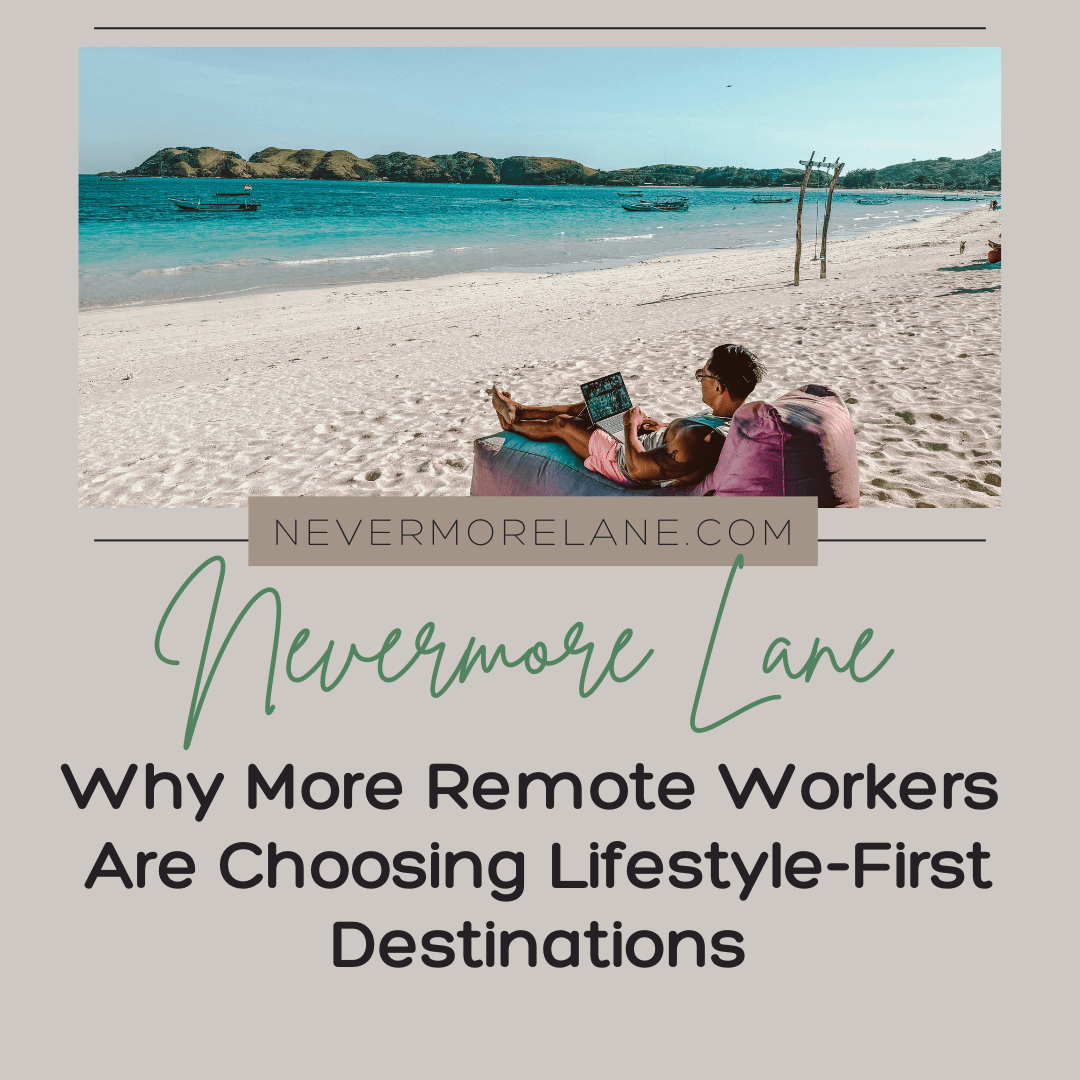
Remote work has changed more than daily schedules and office routines. It has shifted the way people think about where and how they want to live.
Data from a Robert Half survey shows that remote work has declined in the first quarter of 2026. Around 77% of new job postings were for fully on-site roles, 19% for hybrid, and only 4% for fully remote roles. At 9%, the marketing & creative and healthcare fields offer the most remote jobs in 2026.
But despite this decline, many professionals are no longer tied to expensive urban centers or crowded business districts. Instead, they are searching for places that support a slower pace, a stronger work-life balance, and better overall well-being.
This shift has created a new kind of lifestyle priority. Many remote workers now choose destinations based on comfort, community, and quality of life rather than proximity to their office. Access to nature, wellness-focused amenities, and peaceful surroundings often carry more value than a short commute or downtown apartment.
The rise of lifestyle-first living reflects a deeper desire for flexibility and personal fulfillment. People want homes that feel restorative instead of stressful. They want environments that inspire creativity while still allowing them to maintain successful careers from anywhere in the world.
The Desire for Balance Is Reshaping Relocation Trends
For years, professional success was associated with living in major cities filled with fast-paced energy and endless networking opportunities. While some people still want that, remote work has given others the freedom to reconsider what truly supports their happiness.
Long work hours combined with traffic, overcrowding, and rising living costs have encouraged many professionals to rethink their priorities. Some have realized they don’t want to structure their lives around exhausting routines that leave little room for personal interests.
Lifestyle-first destinations appeal to remote workers because they create space for healthier habits and more intentional living. A morning walk near the ocean or afternoons spent working from an outdoor café can create a sense of balance.
There are many such destinations that experienced digital nomads recommend, such as:
- Thailand
- The Faroe Islands
- Vietnam
- Greece
- Malaysia
These recommendations are based on visa requirements, reliable Wi-Fi, cultural attractions, cafes, and more. It is also recommended to travel off-season to avoid overcrowded locations because of tourists. This will let you work and explore at your own pace, without worrying about distractions.
Why are smaller towns becoming more attractive to remote workers?
Smaller towns often provide lower living costs, less congestion, and stronger community connections compared to major urban centers. Many remote workers appreciate quieter environments that support concentration and healthier routines. These locations may also offer better access to nature, reduced commuting stress, and a slower pace that improves overall daily satisfaction.
Why Coastal Destinations Continue to Attract Remote Professionals
Coastal destinations have become especially popular among remote workers searching for a lifestyle upgrade. Ocean views, warm weather, and relaxed communities offer a strong contrast to crowded metropolitan areas.
A BBC article notes that this shift is reshaping coastal region economies and infrastructure.
Prof Dimitrios Buhalis, from Bournemouth University, says this shift goes “far beyond where people choose to live. We are seeing a gradual but important shift from places being understood mainly as seasonal visitor destinations, to places that can support year-round economic activity, social participation, and knowledge exchange.”
Cabo has emerged as one of the destinations attracting attention from remote professionals and long-term travelers. The region offers a blend of luxury, natural scenery, and year-round sunshine that appeals to those seeking comfort and flexibility.
Someone who regularly visits the region may also be interested in luxury real estate in Cabo. This can serve a dual purpose, as you can enjoy it whenever you want. Additionally, if you are out for months to visit other countries, you can also rent it out to other digital nomads.
Del Mar Los Cabos states that high-end coastal living can offer a peaceful escape from the stress and fast pace of everyday routines. Residents can enjoy a refined lifestyle centered around comfort, personalized experiences, and upscale living.
What features do remote workers typically look for in coastal destinations?
Remote workers often search for coastal destinations that combine reliable infrastructure with relaxing surroundings. Fast internet, modern housing, accessible healthcare, walkable communities, and safe neighborhoods usually rank high on their priority lists. Many professionals also value outdoor recreation opportunities, wellness amenities, and local businesses that support long-term stays rather than short tourist visits.
The Shift Toward Experience-Driven Living
Remote workers are increasingly investing in experiences that improve their everyday lives. This mindset has encouraged people to seek locations where they can enjoy their surroundings.
A lifestyle-first destination creates opportunities for meaningful daily routines. Access to fresh food, local culture, outdoor recreation, and creative communities can make everyday life feel more fulfilling. Small experiences such as watching sunsets, visiting local markets, or taking breaks in nature can improve emotional health and reduce burnout.
A Forbes article notes that Expedia is seeing a major rise in experience-driven travel. People are planning trips around meaningful activities and cultural immersion instead of simply choosing destinations. Millennials and Gen Z are especially prioritizing unique experiences such as local sports events, immersive stays, historical hotels, and more.
Expedia’s research also highlights a growing interest in responsible tourism, with travelers paying more attention to sustainability and community impact. The article suggests that modern travelers now value personalization, memorable moments, and experience-focused journeys more than traditional luxury.
This experience-driven approach also influences how people define productivity. Many remote professionals have discovered that they perform better when they feel rested, inspired, and connected to their environment.
Financial Flexibility and Changing Priorities
Lifestyle-first living is not always about luxury or permanent relocation. For many remote workers, it simply means choosing places that align with their personal values and financial goals. Some professionals move to destinations where they can reduce living expenses while improving their quality of life.
Others prioritize access to nature, cultural experiences, or slower routines over larger living spaces or expensive city lifestyles. The freedom to choose how and where to live has encouraged people to think differently about spending habits and long-term priorities.
This flexibility has also influenced housing trends. Remote workers are exploring short-term rentals, co-living communities, and part-time residency options that allow them to experience different environments annually. The traditional idea of staying in one location for decades no longer appeals to everyone.
Lifestyle-first destinations continue adapting to this demand through improved infrastructure. A ScienceDirect study notes that digital nomads have become a highly attractive market for destinations worldwide. This has encouraged cities and tourism regions to develop “smart destinations” that support remote work, leisure, and modern lifestyle needs.
The study also notes that governments, tourism boards, businesses, and international organizations all play a role in shaping this trend. Simultaneously, researchers point out that digital nomad visa systems reflect economic inequalities between the Global North and the Global South.
Reliable internet, wellness amenities, and comfortable workspaces are now considered essential features in many remote-friendly communities.
What financial challenges can remote workers face when relocating internationally?
International relocation can create unexpected financial responsibilities, including tax obligations, visa costs, healthcare coverage, currency exchange fluctuations, and more. Some remote workers also underestimate housing demand in popular destinations, which can increase rental prices. Careful financial planning helps professionals avoid unnecessary stress while adjusting to a new location and lifestyle.
Remote Work and Lifestyle Trends at a Glance
| New job trend in 2026 | 77% fully on-site, 19% hybrid, and 4% fully remote roles. |
| Industries offering the most remote jobs | Marketing & creative and healthcare (9%) |
| Popular digital nomad destinations | Thailand, the Faroe Islands, Vietnam, Greece, and Malaysia |
| Key remote worker priorities | Reliable Wi-Fi, visa flexibility, cafés, and cultural attractions |
| Coastal living appeal | Warm weather, ocean views, and relaxed communities |
The rise of remote work has created a major shift in how people approach success, personal fulfillment, and everyday living. Many professionals are no longer willing to sacrifice their well-being for proximity to an office.
As remote work continues evolving, more people are expected to prioritize locations that support both professional goals and personal happiness. This movement reflects a broader cultural change where the quality of life matters just as much as career advancement.
Photo Credit