Tree Removal: What Every Homeowner Should Know Before Getting Started
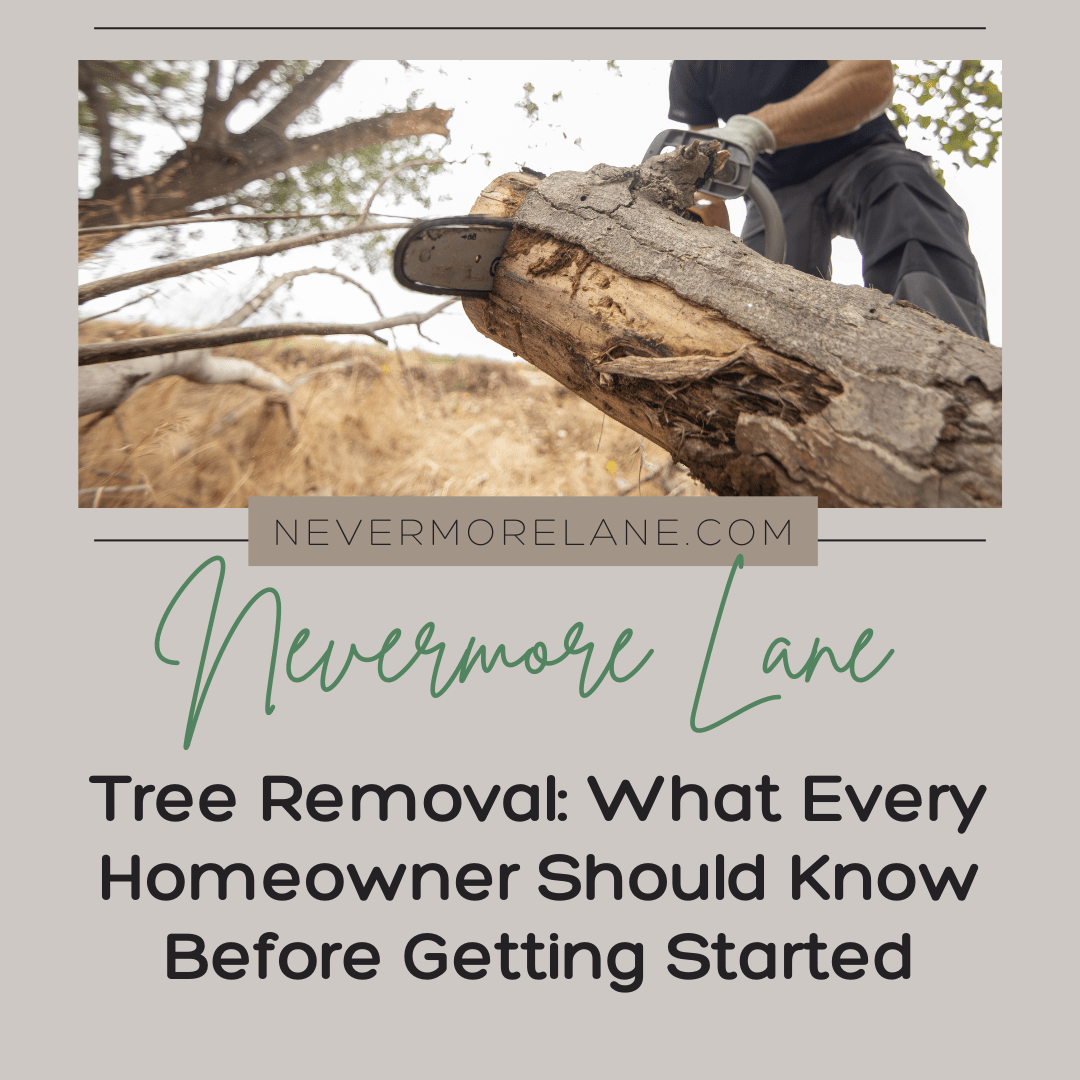
Trees add so much to a property. They give shade in summer, shelter from wind, and a bit of that lived-in, established feel that takes years to grow. But sometimes a tree has to go. Maybe it’s grown too close to the house, the roots are lifting the driveway, or a storm has left it looking unsafe. Whatever the reason, tree removal is one of those jobs that looks simple from the outside but actually involves a fair bit of planning, skill, and the right gear.
If you’ve never had to deal with removing a tree before, here’s a simple guide to help you understand what’s involved, what to expect, and how to find the right help.
Why Trees Sometimes Need to Come Down
There are plenty of reasons a homeowner might need a tree removed. Some of the most common include:
- The tree is dead, dying, or diseased and could fall on its own
- Roots are damaging foundations, driveways, or underground pipes
- Branches are too close to power lines
- The tree is blocking too much light or view
- You’re renovating or landscaping and the tree is in the way
- Storm damage has made the tree unstable
None of these reasons need to be dramatic. Sometimes it’s as simple as wanting more sunlight in the backyard or making room for a new garden bed. Whatever the reason, the process is much the same.
Why You Shouldn’t Just Grab a Chainsaw
It’s tempting to think you can handle a tree removal yourself, especially if the tree doesn’t look that big. But trees are heavier and more unpredictable than they appear. A medium sized tree can weigh several tons, and once you start cutting, you lose control over exactly how and where it falls. Add in nearby fences, sheds, power lines, or your neighbor’s yard, and the risks add up fast.
This is where a qualified arborist comes in. An arborist is trained to assess a tree’s health, lean, weight distribution, and root structure before any cutting begins. They know how to read a tree’s condition and figure out the safest way to bring it down, often in sections if needed, especially in tight backyards where there’s no room for it to fall in one piece. Professional tree removal services rely on this kind of expertise to keep the job safe for everyone involved, including your property and your neighbors’ too.
What Affects the Cost
The cost of tree removal can vary quite a bit depending on a few factors:
- Size of the tree – taller and wider trees take more time and equipment
- Location – trees near power lines, fences, or buildings are trickier and slower to remove
- Access – if machinery can’t get close, the job often needs to be done by hand, which adds time
- Condition – dead or diseased trees can be more dangerous to remove
- Stump removal – this is often quoted separately from the tree removal itself
It helps to be upfront with whoever is quoting the job. Send a few photos if you can, and mention anything that might make access difficult, like narrow side gates or garden beds in the way. The more information they have, the more accurate your tree removal estimate will be.
Getting a Tree Removal Quote
Before any work begins, most homeowners will want a tree removal quote. This is simply a written estimate of what the job will cost, based on things like the size of the tree, its location, how accessible it is, and whether stump removal is included.
A good tree removal estimate should be clear about what’s covered. Ask whether the quote includes:
- Cutting down the tree itself
- Removing branches and limbs
- Clearing and disposing of the wood and debris
- Stump removal or grinding
- Any cleanup of the surrounding area
Some companies offer a free, no obligation quote, which is worth taking advantage of so you can compare a few options. It’s a good idea to get more than one tree removal quote if the job is a big one, just so you know you’re getting a fair price and a realistic idea of the work involved. If the tree’s condition is unclear, it might also be worth asking whether an arborist can assess it first, since this can affect both the cost and the approach.
Don’t Forget the Stump
Once the tree is down, you’re often left with a stump sitting in the middle of your yard. Stump removal is sometimes included in the original quote, but it’s worth checking, since some companies treat it as a separate job.
There are a couple of ways stumps are dealt with. Stump grinding chews the stump down below ground level so it’s no longer visible and grass or garden beds can be planted over the top. Full stump removal pulls the entire root system out of the ground, which is a bigger job but leaves no chance of regrowth.
If you’re planning on landscaping the area afterward, it’s worth thinking about which option suits your plans. Grinding is usually quicker and cheaper, while full removal gives you a completely clean slate to work with.
Choosing the Right Tree Removal Service
When you’re comparing tree removal services, a few simple checks can save you a lot of hassle later on:
- Make sure they’re insured, in case anything goes wrong on the job
- Ask if they have a qualified arborist on staff or working with them
- Check that they hold the right licenses for tree work in your area
- Read a few reviews from other homeowners
- Make sure the quote is detailed and not just a vague number
- Ask how they plan to handle cleanup afterward
A reputable company should be happy to answer all of these questions without any pressure. If someone is rushing you into a decision or won’t give you a written quote, it’s worth looking elsewhere.
A Clearer Yard Ahead
A tree that’s overstayed its welcome doesn’t have to be a headache. Once you know what to ask and who to ask it of, sorting out removal is a pretty quick process. The tricky tree near the house, the stump that’s been sitting there for years, the storm damaged branch hanging over the fence, all of it can be dealt with safely by people who do this kind of work every day.
If you want a hand comparing options, getting a few tree removal quotes from local professionals makes it easy to find a fair tree removal estimate without a lot of back and forth. Sort it once, sort it properly, and get back to enjoying the yard.