The Ultimate Guide to Tailor-Made Safari Adventures in Africa
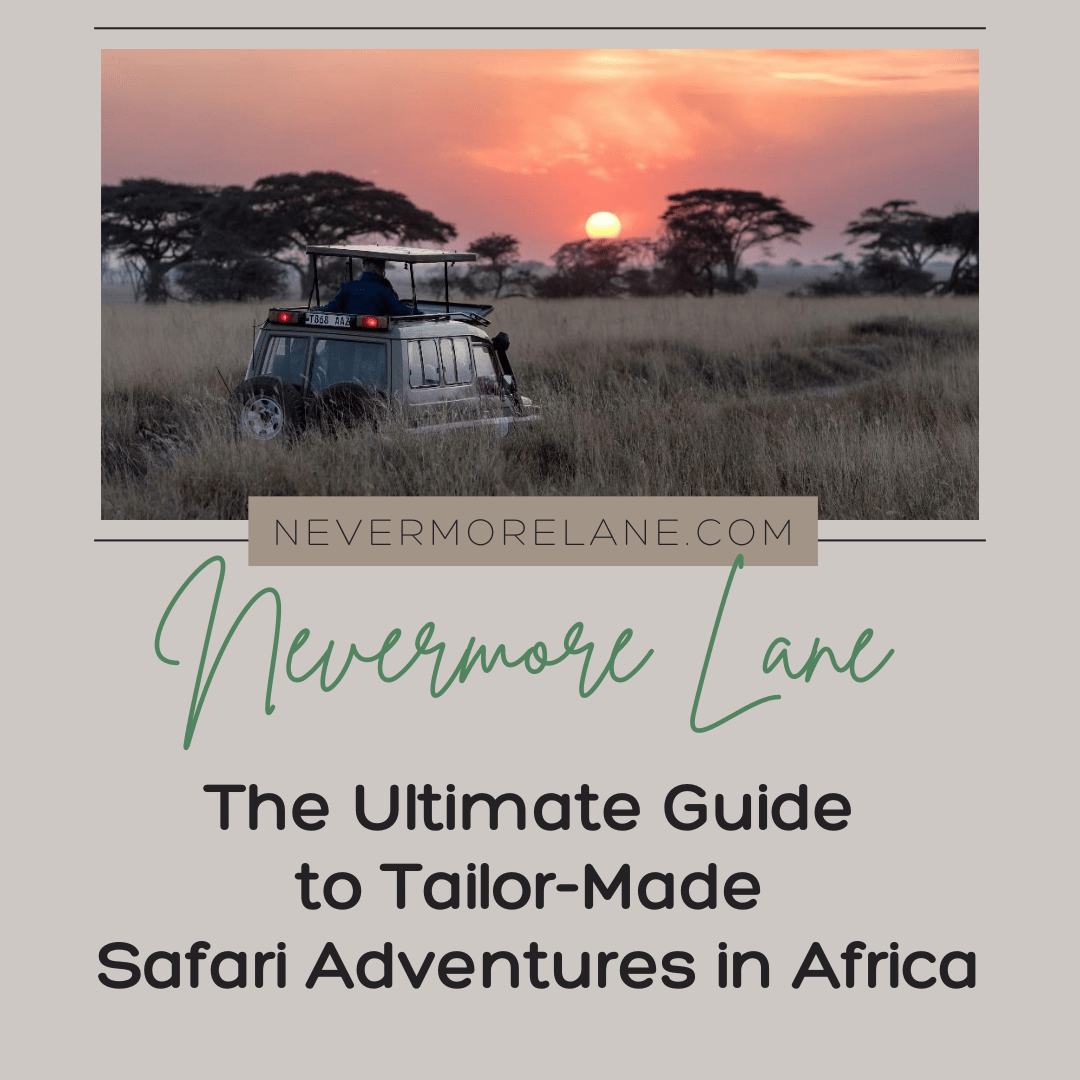
For travellers around the globe, few journeys carry the pull of an African safari. The continent offers a depth of wildlife, landscape, and culture that simply cannot be replicated anywhere else, and the appetite for genuinely personal travel has grown sharply in recent years. Off-the-shelf group tours no longer satisfy the modern traveller, who wants a holiday shaped around individual interests, pace, and comfort.
A tailor-made safari answers that demand directly, putting the traveller in charge of every detail while drawing on expert knowledge of the ground. The result is a journey across Africa that feels authored rather than packaged, with each day designed around what matters most to the people taking the trip.
Working With a Specialist Tour Operator
Planning a bespoke African journey is far easier when guided by a specialist who has spent decades operating in the region. A genuine safari expert understands seasonal movements, lodge quality, guiding standards, and the small logistical details that decide whether a trip succeeds. Tour operators that focus exclusively on Africa tend to deliver far better results than generalist agencies, simply because their relationships on the ground are deeper and more current. One such operator is The African and Oriental Travel Company, a long-established outfit that has spent more than two decades arranging bespoke safaris and inspects its partner camps in person each year. Working with a dedicated specialist removes the guesswork and gives the traveller a single trusted point of contact from the first conversation through to the return home.
Choosing the Right Country and Region
Africa is enormous, and each safari nation offers a distinct experience. Botswana is known for its water-based game viewing in the Okavango Delta, while Kenya and Tanzania hold the open plains made famous by the Great Migration. Namibia draws those who love desert landscapes and dramatic photography, and Zambia is favoured by walking safari enthusiasts who want quieter, less crowded parks. Zimbabwe combines superb guiding with classic bush atmosphere, and Uganda is the destination of choice for travellers hoping to trek gorillas in misty forest terrain. The right choice depends on what kind of wildlife encounter matters most, how much time is available, and how comfortable the traveller wants to be while in camp.
Timing Your Safari Correctly
Season has a stronger influence on an African safari than most first-time visitors realise. The dry months generally deliver better game viewing because animals gather around shrinking water sources and the bush thins out, making sightings easier. Green season travel, on the other hand, rewards those interested in birdlife, newborn animals, and softer light for photography. The Great Migration moves through different parts of the Serengeti and Masai Mara at different times of year, so timing the visit correctly is essential for anyone hoping to witness it. A good specialist will match the chosen month to the chosen park rather than forcing a generic itinerary into a difficult window.
Designing the Day-to-Day Experience
The freedom to shape each day is the central appeal of a bespoke safari. Some travellers want early starts and long game drives, while others prefer slower mornings, leisurely brunches, and afternoon excursions. Walking safaris, night drives, bush breakfasts, and visits to local communities can all be woven into the schedule, depending on the park and the permissions in place. Photographers may request specific guides who understand light, angles, and the patience required to capture a moment properly. Families travelling with children often want shorter drives and child-friendly camps, while couples celebrating an anniversary may want private dining and quieter, more remote locations.
Choosing the Right Style of Accommodation
Accommodation across the African safari circuit ranges from classic canvas-tented camps to boutique lodges with full board service. Tented camps capture the romantic feel of early exploration, with the sounds of the bush close at hand and a strong sense of place. Lodges tend to offer more space, swimming pools, and a wider menu, which suits travellers who want a softer experience after long drives. Mobile camps, which move with the seasonal wildlife patterns, place guests in the heart of the action and are ideal for those chasing the migration. A tailor-made trip allows the traveller to mix and match across these styles, perhaps starting in a comfortable lodge before moving to a remote tented camp deeper in the bush.
Combining Safari With Beach or Cultural Add-ons
Many travellers extend their safari with a beach stay or a cultural visit, taking advantage of the long journey from home. Zanzibar is a popular extension after a Tanzania safari, with white sand beaches, historic Stone Town, and good flight links from the mainland parks. Cape Town pairs naturally with safaris in Botswana or Zimbabwe, offering coastal scenery and excellent food. Cultural visits to local villages, craft cooperatives, or conservation projects add another layer of meaning to the trip and often become the most memorable moments. A skilled planner will arrange these extensions to flow seamlessly, with the right internal flights and transfers booked from the outset.
Travelling Responsibly
The conversation around responsible safari travel has grown stronger, and rightly so. Travellers increasingly want to know that the camps they stay in support conservation, employ local staff fairly, and tread lightly on the environment. Smaller, owner-run camps tend to perform best on these measures, channelling revenue directly into surrounding communities and anti-poaching efforts. Choosing operators that prioritise ethical tourism ensures that the safari contributes positively to the future of African wildlife rather than placing additional pressure on it. Asking direct questions about a camp’s conservation practices is fair, and a good operator will welcome the conversation.
Preparing Before You Travel
Final preparation for a bespoke safari covers practical details such as visas, vaccinations, travel insurance, and packing. Lightweight, neutral coloured clothing works best in the bush, and binoculars are an investment that pays off on every drive. Camera equipment should be packed carefully, with spare batteries and adequate memory cards. Most importantly, travellers should arrive with realistic expectations and a willingness to follow the rhythm of the bush. Wildlife is unpredictable, and the magic of an African safari often appears in the moments between the planned ones.
Photo: source