The Everyday Impact Of Better Home Design Choices
Some homes feel comfortable almost immediately. Nothing appears extravagant, and no single feature demands attention, yet the space feels welcoming. Other homes may contain expensive upgrades, but something feels slightly off. The difference is often found in design choices that quietly influence daily life.
In communities such as Potomac, MD, where homeowners often invest in creating comfortable and functional living environments, home design is frequently viewed as more than decoration. It becomes a way of shaping how a home feels and functions every day. The interesting part is that the most meaningful improvements are not always the most dramatic.
Better home design is not simply about appearance. It influences comfort, convenience, mood, and even how people move through their routines. Small choices, when made thoughtfully, can create noticeable improvements that are experienced again and again.
The Small Details Often Matter Most
Many homeowners assume that major renovations are required to improve a home’s overall feel. In reality, smaller design decisions often have a significant impact.
Natural light offers a clear example of how thoughtful design can transform a home. A brighter room often feels larger, warmer, and more welcoming, even when its dimensions remain exactly the same. Homeowners looking to improve both comfort and efficiency should work with a reliable Potomac window company when planning upgrades. The right solutions can bring more daylight indoors, improve energy performance, and create a more comfortable living environment without requiring major structural changes.
Design choices influence how spaces are experienced. A well-positioned seating area can encourage conversation. Improved storage solutions can reduce visual clutter. Better lighting can make daily activities easier and more enjoyable.
For example, one homeowner may choose to replace outdated windows and immediately notice how much brighter a room feels. Another may reorganize a frequently used space and find that everyday routines become more efficient. These changes may appear modest, but their impact can be felt repeatedly.
Would a home feel different if it supported daily activities more naturally? In many cases, the answer is yes.
Comfort Shapes More Than Convenience
Home design is often discussed in terms of aesthetics, but comfort deserves equal attention. A beautiful space that feels uncomfortable rarely achieves its full potential.
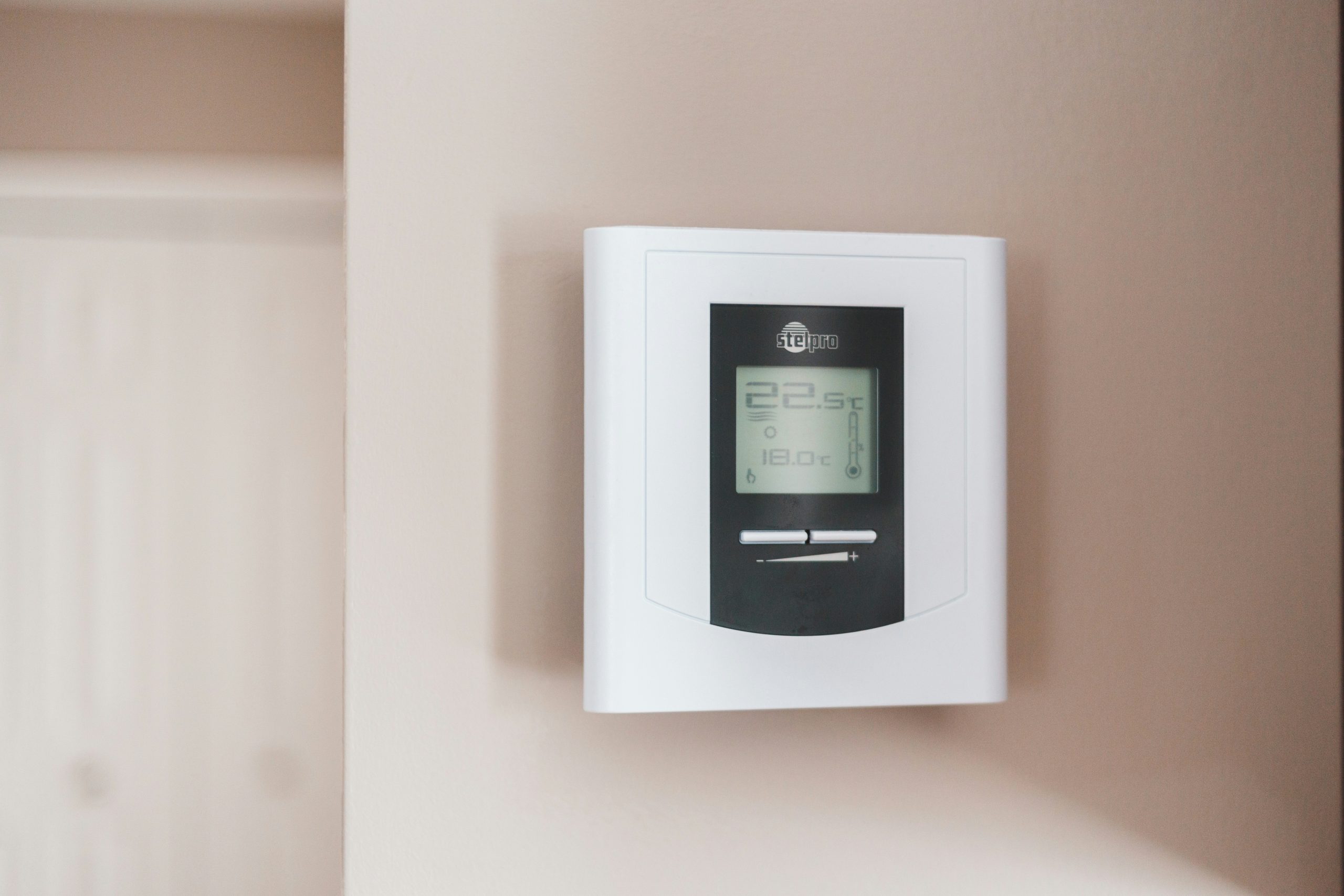
Temperature control, airflow, air quality, lighting, and room functionality all contribute to overall comfort. When these elements work together effectively, a home becomes easier to enjoy. Daily tasks may feel less frustrating, and time spent at home may feel more relaxing.
Many design improvements operate quietly in the background. Better insulation may reduce temperature fluctuations. Improved lighting may reduce eye strain during work or reading. Thoughtful furniture placement may improve movement throughout a room.
Comfort is not always noticed when it exists. It is often noticed when it is missing. This is why practical design decisions should not be overlooked in favor of appearance alone.
A home should support the people who live in it. When comfort is prioritized, the benefits often extend far beyond convenience.
Good Design Makes Everyday Life Easier
One of the most valuable aspects of thoughtful design is its ability to simplify daily routines. Functional spaces reduce unnecessary obstacles and help everyday activities flow more smoothly.
Several design elements frequently contribute to a better living experience:
- Improved natural lighting throughout the home
- Storage solutions that reduce clutter
- Functional room layouts that improve movement
- Energy-efficient features that enhance comfort
- Durable materials that require less maintenance
These features may not attract immediate attention from visitors, but they can significantly influence how a home feels on a daily basis.
Consider a kitchen with efficient storage compared to one where frequently used items are difficult to access. Another example might involve a home office positioned near natural light rather than in a dark corner. Small adjustments can change how spaces function and how people feel while using them.
Good design is often appreciated not because it demands attention, but because it quietly removes frustration from everyday life.
A Better Home Can Improve The Way You Feel
People spend a considerable amount of time at home. Because of that, the environment often influences mood more than many realize.
A well-designed home can create a sense of calm. Natural light can make spaces feel more open. Organized rooms can reduce visual distractions. Comfortable spaces can encourage relaxation after demanding days.
This is one reason homeowners frequently invest in updates that help them enjoy your home more. The goal is not always increasing property value. Sometimes the goal is improving the quality of daily life.
Would people spend time improving their homes if those changes had no impact on how they felt? Probably not. Design choices affect experiences, and experiences influence overall satisfaction.
When a home supports both practical needs and personal comfort, it becomes easier to appreciate the time spent there. The result is often a stronger connection to the space itself.
The Best Improvements Continue Working Every Day
The most successful home design choices are often the ones that continue delivering benefits long after the project is complete. They improve comfort, support routines, and contribute to a more enjoyable living experience without requiring constant attention.
Unlike trends that come and go, functional design improvements tend to remain valuable because they address everyday needs. Better lighting continues to brighten rooms. Improved layouts continue to support movement. Efficient features continue to contribute to comfort.
The goal of thoughtful home design is not perfection. Every household has different priorities, preferences, and routines. What matters is creating a space that works well for the people who live there.
When design choices are approached with both function and comfort in mind, the benefits extend beyond appearance. Daily routines become easier, living spaces feel more welcoming, and the home itself becomes a place that supports everyday life more effectively.
The impact of better home design is rarely limited to a single room or project. It is experienced through countless small moments, and those moments add up to something meaningful. Over time, a thoughtfully designed home can become one of the most valuable contributors to everyday comfort and satisfaction.
Photo: Image Source