Sustainable Choices for Your Home: Long-Lasting Materials
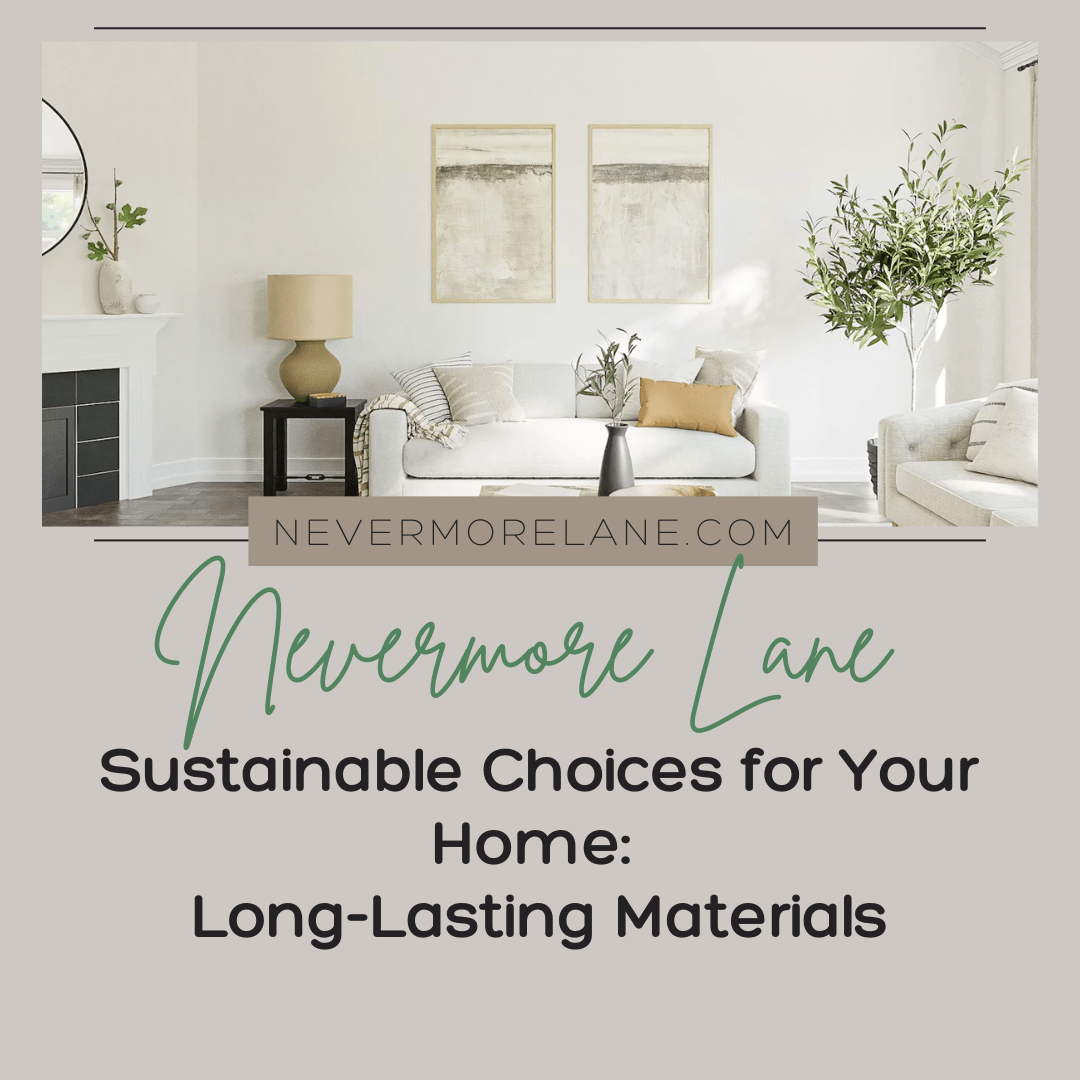
Filling your home with things you love really makes it feel like yours. But it’s a real bummer when that cool new bookshelf starts to sag after a year, or a great deal on a rug turns into a threadbare patch in just a few months.
Picking materials that last a long time isn’t just good for the planet; it’s super practical. It saves you time, money, and the headache of constantly fixing or replacing stuff.
The Cost of Constant Replacement
We’ve all been there, eyeing that trendy, cheap furniture or decor. It looks good and doesn’t cost much upfront, but its short life comes with hidden expenses. Think about it: replacing a peeling coffee table or a wobbly chair every couple of years really adds up. That initial bargain quickly turns into a regular drain on your wallet.
And it’s not just your bank account taking a hit. There’s a high environmental cost too. Most of those mass-produced, low-cost home items are made from things like particleboard and plastics. These are tough to recycle and usually just end up in landfills.
The whole process of making, shipping, and then throwing away these items uses up tons of resources and energy. Choosing eco-friendly home choices means you’re stepping off that constant consumption treadmill and picking items that are actually built to last.
Embrace Durable Options
The first step is to start thinking about things as timeless, not temporary. When you’re out shopping, look for materials known for being strong and durable. Take solid wood, for example. It can stick around for generations, and you can sand and refinish it to make it look brand new again. For countertops, natural stone like granite or quartz is incredibly tough and won’t easily get damaged by heat or scratches. This idea goes for the main parts of your home too, both inside and out.
For patios, walkways, or even cool modern floors inside, concreting gives you a surface that can handle bad weather, lots of foot traffic, and the years, all with very little fuss. Other great choices include metals like stainless steel and cast iron for things like fixtures and furniture. And for rugs, natural fibers like wool and jute can really stand up to daily life without falling apart.
Benefits of Longevity
Picking durable materials offers so much more than just being practical. A home filled with well-made items actually gets more interesting over time. That slight worn look on a leather armchair or the smooth feel of an old wooden dining table tells a story. These pieces don’t just get thrown away; they become part of your family’s history.
Choosing sustainable interior design materials also makes your living space feel calmer and more stable. You won’t be constantly stressing about accidental spills, scratches, or things breaking. Instead of always shopping for replacements, you can put your time and energy into simply enjoying your home. This way, you feel more connected to your surroundings, making your home a real sanctuary.
Eco-Friendly Maintenance
One cool benefit of long-lasting materials that people often miss is how easy and eco-friendly they are to take care of. You can clean solid wood furniture with just some water and gentle soap, and then keep it looking good with natural oils. Stone countertops usually just need a quick wipe. And sealed concrete floors can be swept and mopped without needing harsh chemical cleaners.
This is a huge difference from cheaper options. Laminated surfaces can get damaged easily by the wrong cleaners, and once they chip or peel, you usually can’t fix them. Plus, synthetic fabrics might need special, chemical-heavy treatments to get stains out. By choosing naturally tough materials, you won’t need as many single-use cleaning products or harsh chemicals. That makes your home healthier for everyone and better for the planet.
Investing in things that last is a great way to make your home more sustainable and enjoyable. Your choices won’t just stand the test of time; they’ll also help create a space that feels more personal, peaceful, and truly permanent.
Image Credit: Unsplash