Smart Storage Tips to Keep Your Belongings Safe During Home Renovations
Home renovations are exciting, but they quickly introduce a practical problem that many homeowners underestimate: what to do with everything inside the house. As soon as demolition starts, your furniture, décor, and personal items are at risk. Dust spreads faster than expected, tools move constantly, and even careful contractors can’t eliminate every hazard. Protecting your belongings becomes just as important as upgrading your space.
Many homeowners try to solve this by shifting items from one room to another or squeezing them into garages and basements. While this may work for small projects, it often creates clutter and increases the chance of damage. A more effective approach involves planning and using dedicated storage solutions that keep everything secure, accessible, and out of the construction zone. This ensures your renovation stays organized and your belongings remain in good condition from start to finish.
Why Moving Furniture Room-to-Room Can Do More Harm Than Good
At first, moving furniture from one room to another feels like the easiest option. You clear space for contractors while keeping everything close by. However, this approach quickly leads to overcrowding, making movement difficult and unsafe. Tight spaces increase the risk of bumping into furniture, scratching floors, and damaging walls.
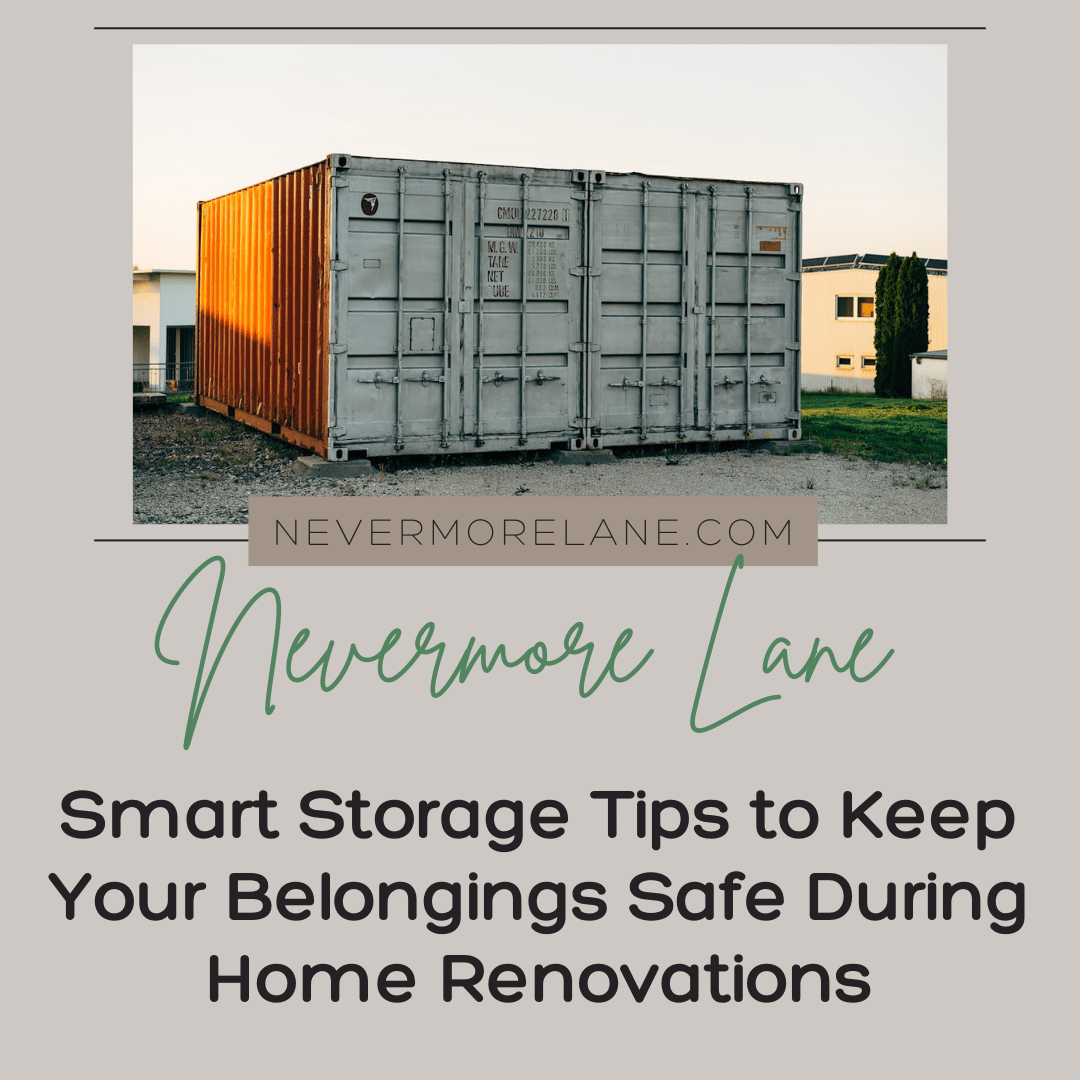
Instead of repeatedly handling heavy and delicate items, it makes more sense to move everything out of the active renovation zone entirely. Creating a separate, controlled storage space reduces clutter inside the home and limits how often items need to be touched or repositioned. This approach allows you to keep your belongings nearby while protecting them from dust, debris, and unnecessary handling. If you are looking for portable storage rentals, there are plenty of options available.
Managing Dust, Humidity, and Debris During Renovations
Construction dust is one of the most persistent challenges during any renovation. Fine particles can settle into upholstery, electronics, and even sealed cabinets. Without proper protection, cleaning afterward becomes time-consuming and sometimes ineffective. Covering items with plastic sheeting helps, but it often isn’t enough to fully block dust from circulating through the air.
Humidity is another factor that homeowners often overlook. Renovations can disrupt airflow and expose materials to changing moisture levels, which may lead to warping or mold growth. Storing items in enclosed, weather-resistant environments helps maintain their condition. Keeping belongings out of active work zones also reduces exposure to falling debris and accidental spills, which are common even in the most organized projects.
Handling Heavy Items with Industrial-Grade Storage Solutions
Large furniture and appliances require careful handling, especially during renovations when space is limited. Improper lifting techniques can lead to injuries or damage to both the item and the home. Using the right tools, such as dollies and lifting straps, makes the process safer and more efficient. It also prevents unnecessary strain on floors and doorways.
Industrial-grade storage solutions provide the durability needed to support heavy items without risk. These units are designed with strong flooring and stable structures that can handle significant weight. By placing bulky items in a secure, off-site or on-site storage unit, you free up space inside the home while ensuring everything remains protected. This setup creates a smoother workflow and reduces the chances of costly accidents during the renovation process.
Creating an Inventory System to Track Every Item
Before packing anything, take time to document what you own. A quick photo of each room and valuable item creates a clear record of condition and placement. This step helps you spot damage later and keeps you organized from the start. It also reduces guesswork when unpacking, especially if the renovation lasts longer than expected.
Labeling is just as important as documentation. Use a simple system with numbered boxes or color-coded tags for each room. Keep a digital or written list that matches those labels. When you need something specific, you won’t have to open every box to find it. This approach saves time and prevents unnecessary handling of stored items.
Securing High-Value and Fragile Belongings
Fragile and valuable items need more than basic packing. Wrap furniture with moving blankets and use foam or bubble wrap for delicate surfaces. Corner protectors help prevent chips and dents during transport and storage. Electronics should be stored in their original packaging when possible, or in sturdy boxes with proper cushioning.
Security is another key factor. Choose storage options that offer lockable units and controlled access. This reduces the risk of theft or tampering during a long renovation. For especially valuable items, consider keeping them in clearly labeled, separate containers so they are easy to monitor and handle with extra care when it’s time to move them back.
Maximizing Storage Space with Smart Packing Techniques
Efficient packing starts with understanding how to use space properly. Place heavier items at the bottom and stack lighter boxes on top to maintain stability. This prevents shifting and reduces the risk of damage. Use vertical space whenever possible, but avoid stacking too high, which can make access difficult and unsafe.
Disassembling large furniture can make a big difference. Detach table legs and disassemble bed frames, and keep all hardware in clearly labeled bags, secured to each corresponding piece. This reduces bulk and allows you to fit more into the same storage area. Pay attention to weight distribution to avoid putting too much pressure on any one section of the storage unit.
Reintegrating Your Belongings After the Renovation
Once the renovation is complete, resist the urge to move everything back at once. Start by ensuring the space is fully cleaned, including floors, surfaces, and air vents. Even small amounts of leftover dust can damage furniture finishes and fabrics. Taking this extra step helps protect your items as they return to their place.
Bring items back in stages, starting with essentials. This gives you time to check for any damage and reorganize thoughtfully. Use the opportunity to improve your layout and storage habits. A careful reintegration process helps maintain the quality of your belongings and ensures your newly renovated space stays clean and functional.