Outdoor Cooking Traditions That Never Go Out of Style
The smoke rising from the grill carries more than just the scent of cooking food. It holds memories of family gatherings, summer evenings, and the primal satisfaction that comes from cooking over open flames. Outdoor cooking connects modern life to ancient practices that predate kitchens and stoves. The methods that sustained humanity for millennia still deliver flavors and experiences that indoor cooking cannot replicate. These traditions persist not through nostalgia alone but because they genuinely create something special.
Certain outdoor cooking methods transcend trends and fads that sweep through food culture. They endure through generations because they work beautifully. Grilling caramelizes proteins through direct heat that stovetops cannot match. Smoking infuses flavors that penetrate deeply into meats and vegetables. Dutch oven cooking over coals creates one-pot meals that taste like patience and care. These techniques survived because they deliver results worth the extra effort they require. They connect people to food in ways that microwave dinners and takeout orders never could.
The appeal extends beyond taste into the experience itself. Cooking outdoors transforms meal preparation from solitary kitchen work into social event. The fire becomes gathering point. The process slows down enough to actually enjoy. The food tastes better partly because of how it was made and who shared the making. Understanding which outdoor cooking traditions endure and why they matter helps people reclaim these practices. The traditions never went out of style. They simply got buried under convenience culture that forgot what real cooking feels like.
Key Takeaways
- Outdoor cooking traditions endure because they centre on fire, time, and shared experience
- Many long-standing methods rely on simplicity rather than complex equipment
- Fire-based cooking encourages patience, awareness, and participation
- Parrilla cooking reflects a broader tradition of intentional outdoor meals
Outdoor cooking has always been about more than food. Long before kitchens moved indoors and meals became something to fit between other commitments, cooking outside was central to how people lived and gathered. Fire dictated the rhythm of preparation, shaped flavour, and created a natural place for people to come together. Those foundations have never really disappeared, even as tools and settings have changed.
What keeps certain outdoor cooking traditions relevant is not nostalgia. It is usefulness. Cooking over fire slows the process down in a way that suits outdoor spaces. It invites observation, conversation, and adjustment rather than speed or precision for its own sake. These methods continue to feel natural because they work with the environment instead of trying to control it.
Why Fire Remains Central to Outdoor Cooking
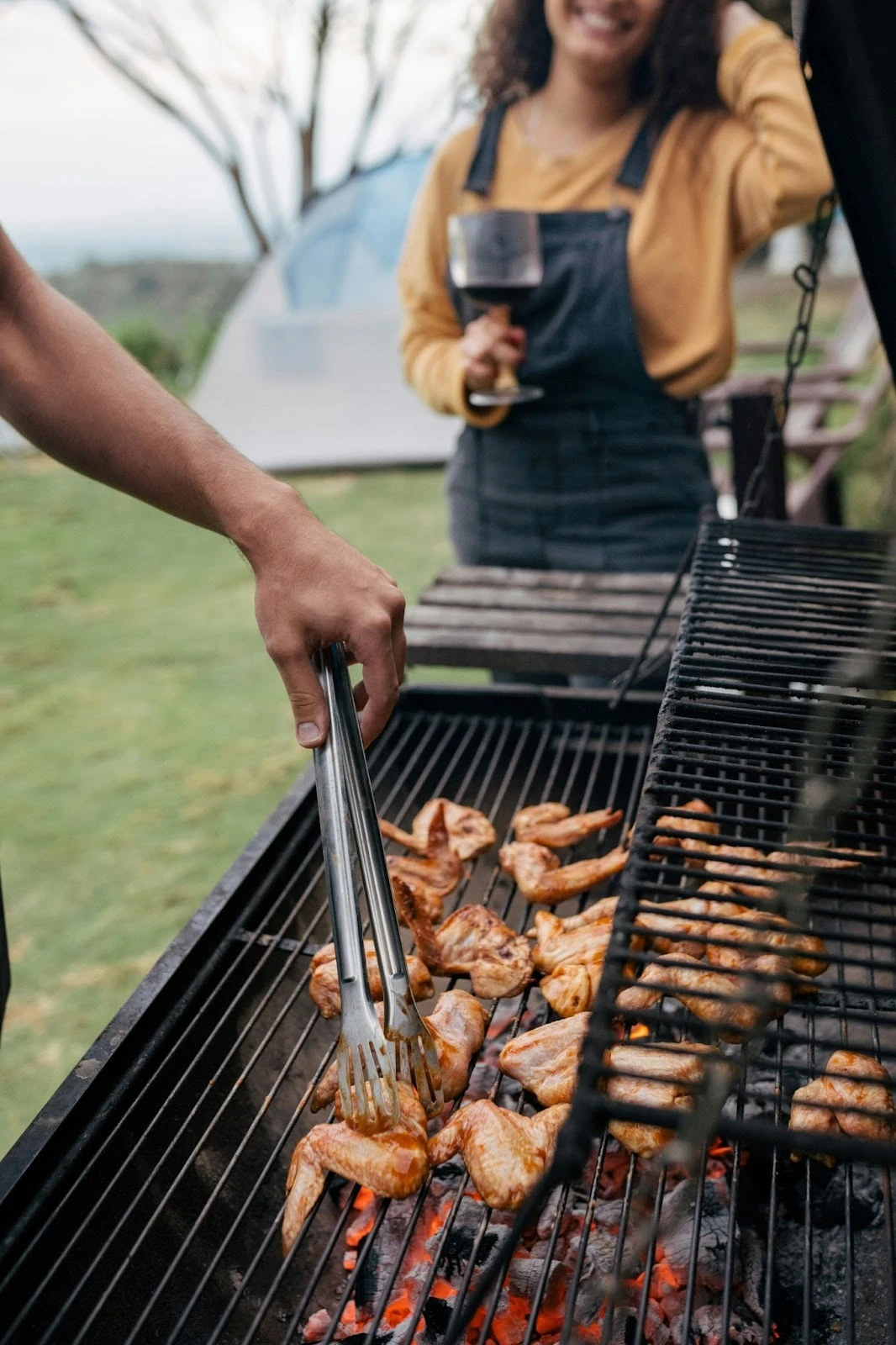
Fire is one of the few constants across outdoor cooking traditions worldwide. Whether it is wood, charcoal, or embers raked into position, fire creates a direct relationship between the cook and the food. Heat is not hidden behind controls or sealed chambers. It is visible, audible, and constantly changing.
This visibility changes how cooking feels. You adjust distance rather than temperature settings. You respond to flame behaviour, not timers. That interaction keeps the cook engaged throughout the process and makes cooking feel active rather than passive.
Fire also shapes flavour in ways that enclosed cooking cannot fully replicate. Smoke, rendered fat hitting embers, and subtle variations in heat all contribute to results that feel distinct and grounded. These sensory elements are a big reason fire-based cooking continues to appeal, even when faster options are available.
Cooking as a Shared Ritual
Many outdoor cooking traditions treat the act of cooking as a communal experience rather than a task to complete. Meals unfold over time, and people drift in and out of the process. Someone tends the fire. Someone else prepares ingredients. Conversation fills the gaps while food cooks at its own pace.
This structure naturally removes pressure. There is no rush to plate everything at once. Cooking becomes part of the gathering rather than a separate responsibility. That dynamic is difficult to replicate indoors, where space and layout often isolate the cook from everyone else.
Outdoor cooking traditions endure because they support this shared rhythm. They allow people to participate at different levels without disrupting the flow of the meal.
Traditions Built on Simplicity and Control
One reason certain methods last is that they rely on simple tools paired with learned skill. Instead of complex mechanisms, control comes from positioning, timing, and attention. This simplicity makes the approach adaptable across generations and environments.
Rather than becoming obsolete, these methods evolve subtly. Materials improve. Setups become more refined. But the core principles stay intact. Heat is managed by distance. Food is cooked with awareness rather than automation.
This balance between simplicity and control makes these traditions resilient. They are not tied to specific technology, which allows them to survive changes in design trends and cooking fashions.
Parrilla Cooking and its Lasting Appeal
Parrilla cooking sits comfortably within this lineage of fire-based outdoor traditions. It emphasises control through adjustable grates and active fire management rather than enclosed heat sources. The cook responds continuously, raising or lowering food as conditions change.
For those drawn to an authentic parrilla grill for outdoor cooking, the appeal is rarely about novelty. It is about participating in a method that values attentiveness and restraint. Parrilla cooking rewards patience and familiarity, building skill gradually through repetition.
This approach aligns closely with older outdoor cooking traditions that prioritise process over speed. It feels deliberate without being rigid, which is why it continues to resonate with modern cooks.
Why These Traditions Continue to Adapt
Outdoor cooking traditions do not remain unchanged because they resist progress. They endure because they absorb change selectively. Modern materials improve durability. Layouts adapt to smaller or more structured outdoor spaces. But the core relationship between fire, food, and cook remains intact.
This adaptability allows traditional methods to coexist with contemporary lifestyles. They scale up or down depending on space and time without losing their identity. That flexibility is a key reason they continue to feel relevant.
The Influence of Environment and Setting
Outdoor cooking has always responded to its surroundings. Climate, available fuel, and space shape how meals are prepared. These environmental factors encourage adaptability rather than standardisation.
This responsiveness keeps traditions grounded. Cooking methods adjust to where they are practiced, which allows them to persist across regions and generations. Instead of being fixed techniques, they function as frameworks that guide how cooking unfolds.
Keep the Flame Alive Through Timeless Practices
Outdoor cooking traditions endure through proven methods delivering exceptional results. Charcoal grilling creates the smoky char that gas cannot replicate. Wood-fired cooking adds complexity from specific woods. Dutch oven campfire meals feed groups efficiently with minimal equipment. Smoking transforms tough cuts into tender perfection through low heat and patience. These techniques worked for ancestors and work equally well today.
The traditions thrive through communities that keep knowledge alive. Barbecue cultures across regions maintain specific methods passed through generations. Camping traditions teach outdoor cooking skills to new practitioners. Backyard gatherings create spaces where techniques get shared naturally. The learning happens through doing rather than reading. The skills build through practice and mentorship.
Outdoor cooking traditions represent more than food preparation techniques. They embody values about slowing down, gathering together, and honoring the process alongside the results. The methods survived because they create experiences worth preserving. The flavors reward the patience. The memories outlast the meals. Sometimes the best traditions involve remembering what worked beautifully long before convenience became the only goal worth pursuing.