Mindful Landscaping Practices for Rainwater Harvesting and Soil Health
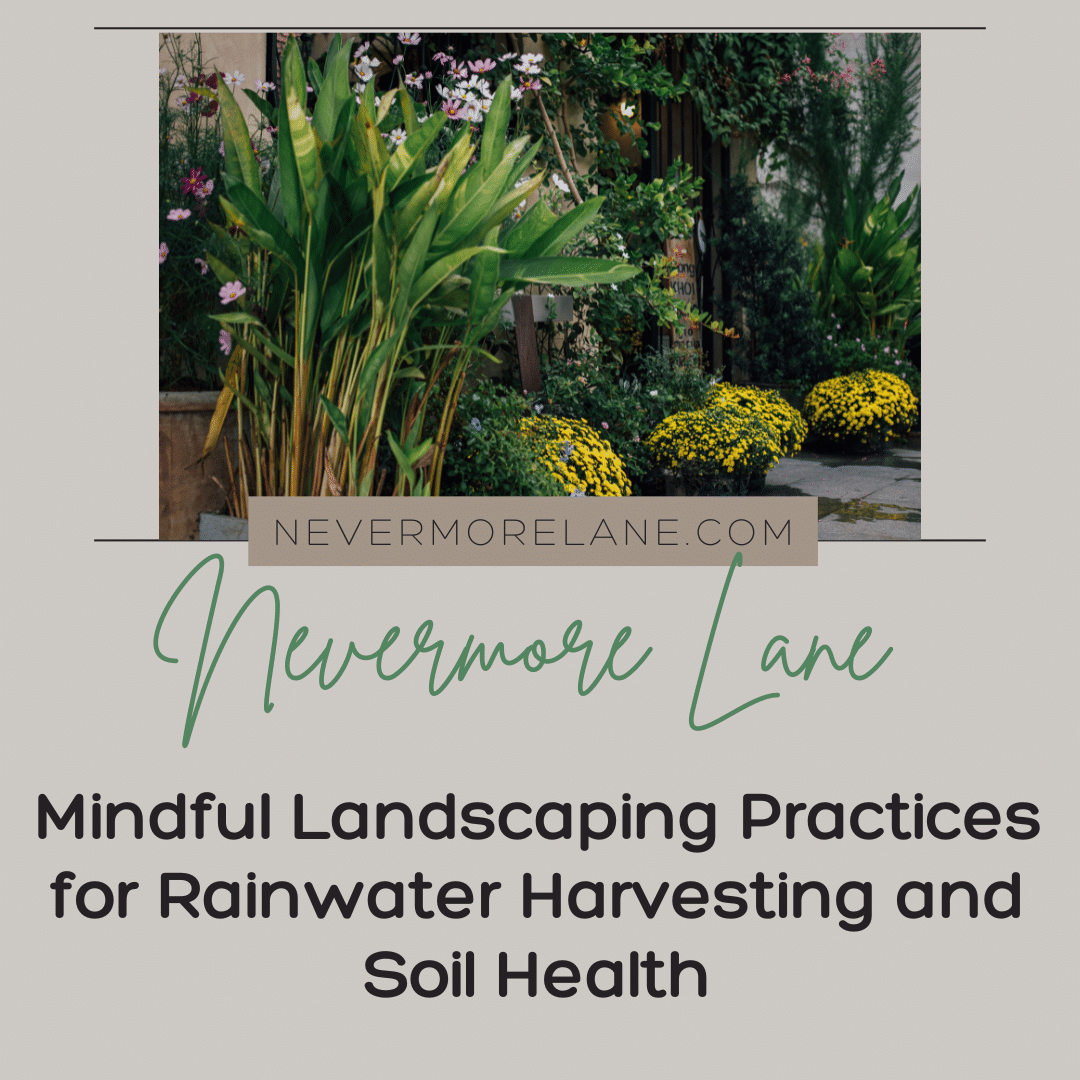
Creating a garden that thrives in harmony with nature requires more than just planting seeds and waiting for rain. It is about fostering an interconnected ecosystem that supports local wildlife while building resilient, nutrient-rich soil from the ground up. While understanding the basics of landscape maintenance every home needs is essential for preserving property value and foundational soil health, ambitious homeowners are now taking their eco-conscious efforts a step further. The transition from small-scale backyard gardening to high-yield sustainable landscaping is paving the way for advanced practices like bulk rainwater harvesting and brewing aerated compost tea. By embracing a slow-living approach and tapping into the natural rhythms of the earth, you can transform an ordinary yard into a vibrant homestead that gives back to the environment in profound ways.
The Power of Harvesting Rainwater on a Larger Scale
Water conservation is at the very heart of mindful homeownership. Relying solely on municipal water for irrigation places an unnecessary strain on local resources while increasing your household utility budget. When you start treating rainwater as a harvestable commodity, the true potential of your property unlocks. A single 25-millimetre rainfall event on a modest 100-square-metre metal roof can capture approximately 2,000 litres of highly usable water. While traditional residential rain barrels are an excellent starting point, they are quickly depleted during peak summer heat when a thriving garden consumes vast amounts of moisture daily. To ensure a drought-resistant irrigation supply, many property owners are upgrading to 1000-litre intermediate bulk containers. These space-efficient tanks offer a heavy-duty alternative to smaller barrels, allowing you to store enough water to maintain connected pollinator pathways and native plant species throughout prolonged dry spells.
Equipment and Strategies for Bulk Liquid Management
Storing massive amounts of rainwater is only the first step in cultivating a resilient property. The real magic happens when you use that collected water to create powerful, organic liquid fertilisers. Brewing compost extracts at scale requires proper fluid management to keep the biological mixture viable. If dissolved oxygen levels drop, the liquid can turn stagnant and anaerobic very quickly, ruining the batch. To effectively aerate a massive 1000-litre container of liquid compost, robust mechanical agitation is absolutely non-negotiable. This necessity is where commercial-grade equipment beautifully bridges the gap between industrial operations and backyard sustainability. By utilising heavy-duty IBC mixers to circulate and aerate these bulk liquids, homeowners can prevent stagnation and safely multiply beneficial soil microbes without breaking a sweat. It transforms an otherwise labour-intensive chore into an automated, highly efficient process that fits perfectly into a busy lifestyle.
Brewing Liquid Gold for Soil Microbiology
The science behind long-term soil health heavily relies on cultivating beneficial fungi and aerobic bacteria. According to educational resources provided by Rutgers University Organic Land Care, compost tea is a liquid extract rich in beneficial microorganisms that requires rigorous aeration and large-scale brewers for big batches. The academic guide strongly emphasises the importance of using collected rainwater rather than municipal tap water. The chlorine and chloramine found in treated municipal water are specifically designed to eliminate bacteria, meaning they will easily destroy the delicate microbiology you are trying to cultivate in your garden. Harvesting pure rainwater circumvents this issue entirely, giving your organic brews the best possible starting point.
When you combine untreated, harvested rainwater with high-quality organic compost, you create an ideal breeding ground for these essential microbes. The optimal brewing window for aerated liquid compost sits comfortably between 24 and 36 hours. During this critical timeframe, oxygen levels must remain strictly elevated through constant agitation. If oxygen deprivation turns a brew anaerobic, the mixture’s pH drops rapidly, creating a hostile environment where harmful pathogens could potentially thrive. A continuous supply of oxygen ensures the final product is sweet-smelling, incredibly nutrient-dense, and perfectly safe for your vegetable beds, fruit trees, and ornamental garden spaces.
Steps to Elevate Your Eco-Conscious Garden
Transforming your backyard into an ecological haven does not have to be an overwhelming endeavour. By breaking the landscaping process down into manageable phases, you can steadily build a property that supports both your family and the broader local ecosystem.
Consider implementing the following mindful property management practices to enhance your outdoor space:
- Maximise your catchment efficiency by directing runoff from metal roofs, which yield up to 95 percent of rainfall, straight into your high-capacity bulk storage tanks.
- Replace water-thirsty, traditional lawns with native, drought-tolerant plant species, a strategic move that can reduce outdoor municipal water consumption by over 50 percent.
- Integrate permeable hardscaping, such as porous pavers, reclaimed wood, and locally sourced stone, to naturally filter overflow rainwater back into the earth and reduce municipal drainage strain.
- Brew your own aerated compost extracts using untreated rainwater and active, continuous circulation to deeply feed your soil’s microbiome.
Embracing these earth-friendly, biophilic design methods allows you to forge a much deeper connection with your land. Through intentional water harvesting, diligent soil care, and sustainable aeration practices, you create a vibrant, resilient landscape that will thrive beautifully for generations to come.
Photo by Huỳnh Như Mavi: https://www.pexels.com/photo/vibrant-garden-with-flowers-and-greenery-36752495/