Essential Maintenance Tips to Extend the Life of Your Vacuum
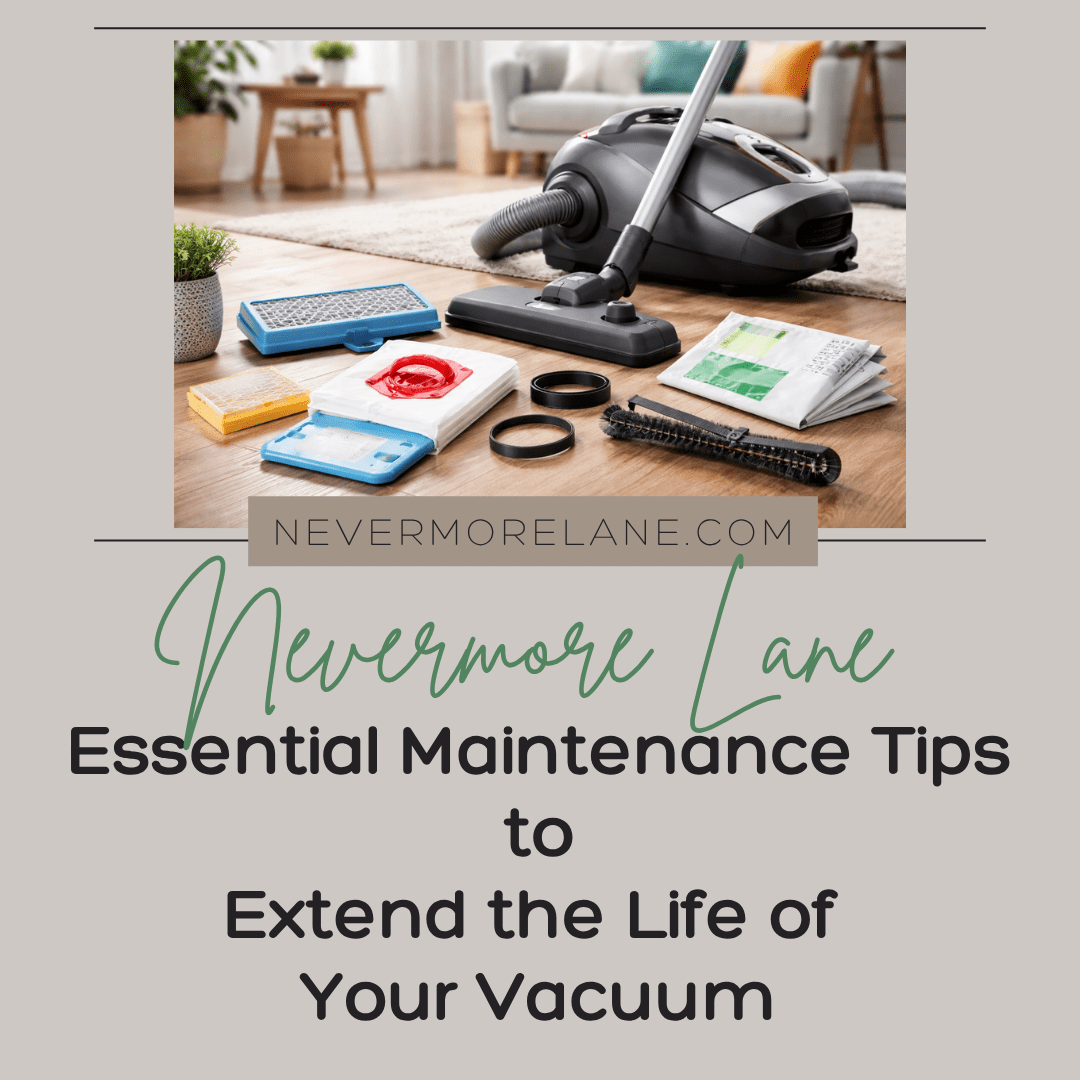
A vacuum is one of the most-used tools in a home, yet it is often treated like an appliance that should “just work” forever. In reality, most vacuum failures stem from a handful of avoidable issues: restricted airflow, neglected filters, jammed brush rolls, and worn Miele vacuum parts that go unreplaced until something breaks.
This audience leans toward practical, DIY-mindedness, which makes vacuum maintenance a natural fit for the ‘small habit, big payoff’ approach. The right routine protects performance, helps control household dust, and can delay the cost and hassle of replacing the machine. (If you’ve ever had a vacuum “suddenly” lose suction, you already know how quickly a small problem becomes a full household disruption.)
This guide focuses on simple, repeatable upkeep that fits real homes.
Think Airflow First, Not “Suction”
Most people describe a vacuum’s performance in terms of suction, but airflow is the underlying driver. When airflow is restricted, motors work harder, heat builds up, and the vacuum becomes less effective while wearing itself down.
A quick airflow checklist takes less than five minutes:
- Empty the bag or bin before it is packed tight
- Check for clogs in the hose and wand
- Inspect the floorhead inlet for compacted debris
- Remove hair and thread from moving parts
Consumer Reports points out that clogged brush rolls, dirty filters, and neglected maintenance are common reasons vacuums lose performance and wear out early. That aligns with what most repair techs see in real life: the machine often isn’t “broken,” it’s just blocked.
Empty The Bag Or Bin Before It Becomes A Brick
Many people wait until the vacuum is “full,” but performance drops before that. A packed bag or bin restricts airflow and can make fine dust harder to capture.
Practical habit:
- If you vacuum weekly, check the bag or bin weekly
- If you have pets or high-traffic floors, check more often
- If suction suddenly drops, check the bag or bin first
This is the simplest maintenance task, and it prevents a surprising number of “my vacuum is dying” moments.
Filter Care Is Non-Negotiable
Filters are not optional accessories. They are part of the vacuum’s engineered airflow and filtration system. When filters clog, suction drops, and dust control suffers.
A realistic schedule for many homes:
- Light use: check monthly
- Pets, high dust, or frequent use: check every 2 to 4 weeks
- Replace or deep-clean per the manufacturer’s instructions
If your vacuum uses HEPA filtration, maintenance matters even more. HEPA is a performance standard. Under standard test conditions, a true HEPA filter captures 99.97% of 0.3-micron particles. The EPA provides a plain-language explainer of what HEPA means and why correct use and maintenance are part of the equation.
Forbes also notes the practical reality worth repeating: full bags and dirty filters reduce performance and can affect dust control.
Brush Roll Maintenance Prevents Belt Problems
Brush rolls are designed to agitate fibers and lift debris, but hair, thread, and fine strings can wrap tightly and create drag. That drag strains belts, reduces cleaning performance, and can create a “burnt” smell.
A simple routine:
- Inspect the brush roll weekly if you have pets or long hair in the household
- Use scissors or a seam ripper carefully to cut tangles
- Remove debris from the brush housing edges
Consumer Reports highlights brush roll and belt issues as common low-cost fixes that can make a big difference in performance when addressed early.
Do A Monthly “Clog Sweep” In Five Minutes
Clogs are often partial rather than total. That’s why the vacuum can still run while slowly losing power.
Once a month:
- Disconnect the hose and wand
- Shine a light through them to spot blockages
- Check the floorhead channel for compacted debris
- Reassemble and confirm airflow feels stronger
This is especially useful in homes with pets, kids who vacuum up small objects, high-pile rugs, or living areas with frequent snack crumbs.
Use The Right Attachment For The Right Job
Maintenance is not only about the vacuum. It is also about how it is used.
Two common mistakes that shorten lifespan:
- Vacuuming wet debris when the unit is not designed for wet pickup
- Vacuuming large, sharp objects that can damage hoses and internal pathways
Using attachments correctly reduces strain on the main floorhead and prevents internal damage.
Replace Worn Parts Instead Of Replacing The Whole Vacuum
Vacuums often get replaced because one component wears down: a belt, brush, filter, seal, or a cracked fitting. Replacing a small part early can restore performance and prevent knock-on damage.
This is where sourcing matters. Having access to Miele vacuum parts supports the “repair and maintain” mindset, especially when you are trying to keep a high-performing vacuum running rather than starting over.
If suction suddenly drops or the vacuum makes a new sound, do not assume the motor is failing. Start with the parts most likely to cause performance issues:
- Filters
- Belts (if applicable)
- Brush roll components
- Hose or wand clogs
- Worn seals
Maintenance Also Supports Dust And Allergen Control
For households managing dust sensitivity, filtration and routine cleaning can matter. The EPA notes that common household dust can contain asthma triggers and recommends regular cleaning practices, including vacuuming, to improve indoor environments.
The CDC also lists dust mites as a common asthma trigger, which is one reason why consistent cleaning and dust-control habits appear across many asthma-management guidelines. This is not a promise of health outcomes. It is a practical alignment: when a vacuum performs properly and filtration is maintained, dust control tends to be more effective.
A Simple Maintenance Calendar You Can Actually Follow
If you want a low-effort system, use this cadence:
Weekly
- Empty bag or bin
- Quick brush roll check
- Inspect the floorhead opening
Monthly
- Clog sweep of the hose and the wand
- Check filters and clean as appropriate
- Inspect for unusual wear
Quarterly
- Replace filters if required by your vacuum type
- Check belt condition (if applicable)
- Confirm attachments are clear and intact
As Needed
- Replace worn components early, especially when performance changes
- Source parts before a breakdown becomes a replacement decision
If you want a “why this matters” reminder with a bit of culture and curiosity, Dyson’s write-up about the BBC’s Secret Genius of Modern Life episode on vacuum technology is a useful read that reinforces how much engineering depends on airflow and filtration.
Your Vacuum is Your Homes Best Friend
Vacuum longevity is not luck. It is airflow, filtration, and small preventative checks. Empty early, maintain filters, clear clogs, detangle brush rolls, and replace worn components before they trigger bigger failures.
Most importantly, make maintenance routine enough that it never becomes a weekend project. If you want to extend the life of a quality vacuum, keeping Meile vacuum parts accessible supports a repair-first approach that saves money, avoids waste, and maintains consistent performance over time.