Is Sod Installation Worth It? Cost vs. Benefit for Homeowners

You want a lawn that looks lush and inviting right away. Waiting months for grass seed to sprout can feel discouraging, especially when you’re eager to enjoy your outdoor space. That’s why many homeowners consider sod, which delivers instant greenery and transforms a bare yard almost overnight.
However, sod comes with a higher upfront cost compared to seed. The real question is whether the benefits justify the expense. To help you decide, let’s explore what sod installation involves, what you’ll pay, and how it can impact your home’s value and lifestyle.
Basics of Sod Installation
Sod is pre-grown grass harvested with soil and roots attached. It comes in rolls or squares that you lay directly onto prepared ground. Because it already has a developed root base, sod establishes quickly and gives you a lawn that looks finished almost immediately.
The installation process is fairly simple but requires care. You place the sod pieces tightly together to avoid gaps, then press them firmly into the ground so the roots can bond and grow.
Special tools make this easier. A sod cutter helps shape or remove old turf, while a sod roller presses the sod firmly into place. Using the right equipment ensures smooth placement and better long-term results.
Upfront Costs
Sod is typically priced by the square foot, and costs vary depending on the supplier. If you’re worried about quality, buying directly from a Denver sod farm or one in your city is a practical option. Fresh sod establishes faster and reduces the risk of wasted money.
You’ll also need proper soil preparation before laying sod. This usually includes leveling, adding soil amendments, using a garden rake to clear debris, and in many cases, performing a soil test to check pH and nutrient levels.
Professional installation adds labor costs, but it also reduces the risk of uneven seams, poor soil contact, and irrigation mistakes. While DIY installation can save money on smaller areas, larger lawns often benefit from professional equipment and experience.
Long-Term Savings and Value
Sod comes with an established root system that stabilizes soil and reduces erosion. This helps suppress weeds early on. Because sod establishes quickly, it stabilizes faster than seed. While sod requires frequent watering during the first couple of weeks, once established it generally needs less rewatering and patching than seeded lawns, which can lower utility costs over time.
Maintenance costs can drop further with smart choices. Using appropriate fertilizer keeps the sod healthy, and pairing it with an efficient irrigation system ensures you’re not overspending on water. Together, these practices help reduce long-term lawn care bills.
Aesthetic and Lifestyle Benefits
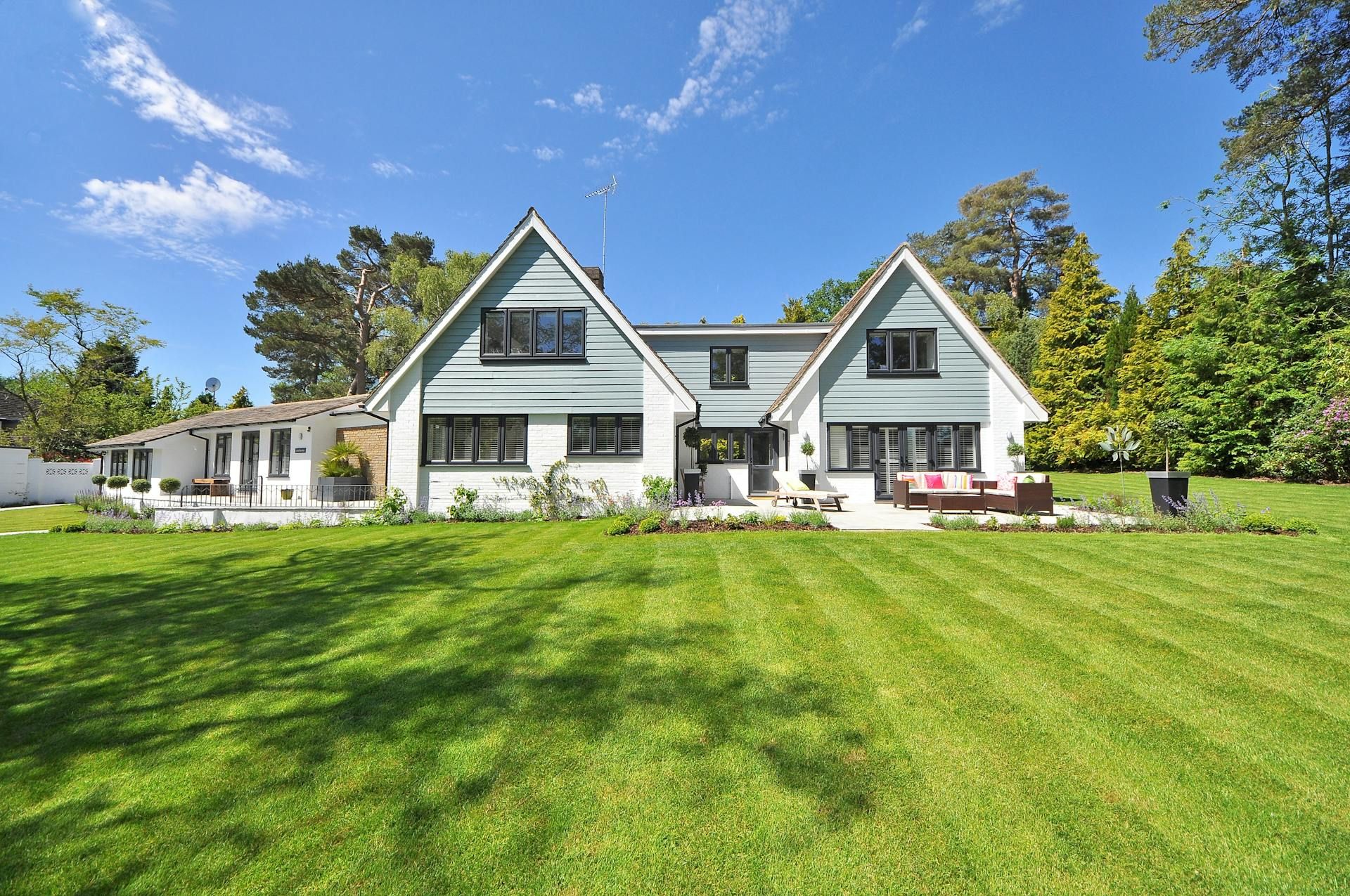
Few home upgrades deliver immediate impact like sod. A lush lawn boosts curb appeal, making your property more attractive to neighbors.
Beyond looks, new sod creates usable space faster. Kids and pets can enjoy the yard within weeks instead of months, which makes it a lifestyle upgrade families appreciate. The speed of transformation adds real value to everyday living.
Sod also brings pride of ownership. It frames your home beautifully and complements other landscaping features. Pairing it with a flower bed enhances the overall design, giving your outdoor space a polished, welcoming feel.
Environmental Considerations
Sod does require water, but modern varieties are bred for efficiency. Choosing drought-tolerant grass types can reduce demand and keep your lawn sustainable.
A healthy lawn cools the area around your home. It also traps dust and improves air quality. That’s a benefit you’ll notice during hot summers.
If you plan carefully, sod can be part of an eco-friendly landscape. Pairing it with native plants and smart irrigation makes it both beautiful and responsible.
Comparing Sod to Seeding
Sod and seed each have practical advantages. Seed is more affordable and allows you to blend specific grass varieties tailored to your soil and climate. However, it takes longer to establish and can be vulnerable to erosion or washout during heavy rain.
Sod provides immediate ground coverage, which makes it especially useful on slopes. The tradeoff is higher initial cost and the need for careful installation to ensure proper root bonding.
Both options can produce durable, attractive lawns when matched to the right environment and maintained properly.
When Sod Makes the Most Sense
Sod is ideal for new construction homes where bare soil dominates the yard. It transforms the property quickly and provides a finished look that seed can’t match in the same timeframe.
It’s also a smart choice if you’re preparing to sell. Buyers notice a green lawn immediately, and that curb-ready appearance can help your property stand out in a competitive market.
Busy homeowners also benefit. If you don’t have time for long-term lawn care, sod gives you a head start with less hassle.
Potential Drawbacks
The biggest drawback is cost. For budget-conscious homeowners, the initial investment in sod can be a barrier.
Poor installation is another risk. If sod isn’t laid correctly or the wrong grass type is selected for your climate, it may struggle to thrive and lead to wasted money.
Finally, sod still needs care. Regular watering, mowing, and fertilizing are essential to keep it healthy. It’s not a maintenance-free solution, so you’ll need to commit to ongoing upkeep.
Making Lawn Establishment Decisions That Serve Long-Term Goals
Sod installation gives you instant beauty, faster usability, and long-term value. It’s a smart choice if you want a lawn that looks great right away and saves you time compared to seeding. The upfront cost is higher, but the payoff comes in convenience, curb appeal, and reduced maintenance challenges.
Your decision should come down to budget, lifestyle, and climate. If you value speed and aesthetics, sod can be worth the investment. If patience and cost savings matter more, seeding may fit better. By weighing both options carefully, you’ll know which path leads to the lawn you want.