How to Protect Your Home from Unexpected Structural Damage
A home is more than just a place to live. It represents years of investment, careful decisions, and the kind of stability that takes a long time to build. When something goes wrong with the structure itself, the consequences can ripple outward quickly, affecting not just the physical integrity of the property but the sense of security that comes with owning it. The good news is that most structural damage does not appear without warning. With the right habits and a proactive mindset, homeowners can stay ahead of problems before they grow into serious threats.
When Your Garage Needs More Than Routine Upkeep
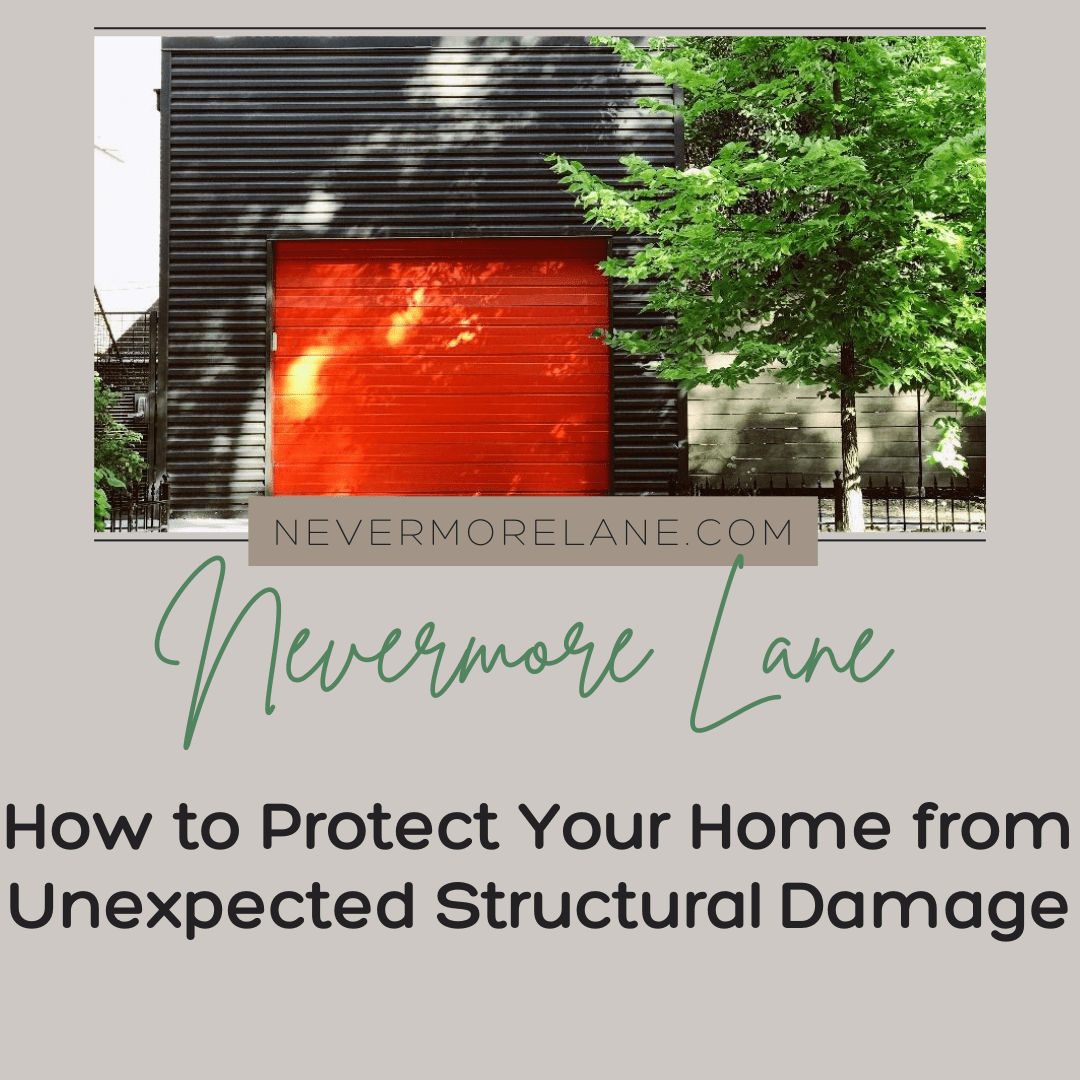
Some parts of a home are easy to overlook simply because they are used every day without a second thought. A garage door operates through a system of mechanical components that work under consistent tension and stress. When that system is compromised, whether through a broken spring, a bent track, or a malfunctioning opener, the structural security of that entry point is at risk. Delaying a fix can turn a minor issue into a safety hazard, which is why calling for emergency garage door repair at the first sign of trouble is the right move rather than waiting to see if the problem resolves on its own.
Start with a Thorough Foundation Inspection
Everything a home stands on depends on the foundation holding firm. Cracks along the base of exterior walls, uneven flooring on the ground level, or doors that suddenly struggle to open and close properly are all indicators that the foundation may be shifting. These signs are easy to dismiss as minor inconveniences, but they tend to worsen over time if left unaddressed. Scheduling a professional inspection allows a qualified structural engineer to assess the extent of any movement and recommend corrective action before the problem affects load-bearing elements above.
Manage Water Before It Manages Your Home
Water is one of the most consistent causes of long-term structural damage in residential properties. It works slowly and often invisibly, seeping into walls, weakening wooden support beams, deteriorating concrete, and creating conditions where mold takes hold. Gutters and downspouts should be kept clear of debris so that rainwater drains away from the structure rather than pooling at its base. The grading of the soil around the home also matters. If the ground slopes toward the foundation rather than away from it, water will consistently work its way toward the base of the structure with every rainfall.
Inspect the Roof on a Regular Schedule
The roof is the first line of defense against the elements, and it takes more abuse than most other parts of the house. Missing or cracked shingles, damaged flashing around chimneys and vents, and sagging sections are all issues that allow water and wind to work their way into the structure below. A roof inspection does not need to happen constantly, but it should occur at a minimum once a year and after any significant storm. Catching a small area of damage early prevents it from spreading across a wider section and eventually compromising the structural decking underneath.
Pay Attention to Load-Bearing Walls
Homeowners who take on renovation projects sometimes remove walls without fully understanding which ones carry structural weight. A load-bearing wall does exactly what the name implies — it supports the weight of the floors and roof above it. Removing or modifying one without proper reinforcement can cause the structure above to shift or sag. Before any wall comes down during a renovation, a structural assessment should confirm whether it carries a load. If it does, a licensed contractor can install the appropriate beam or header to transfer that weight safely before the wall is touched.
Address Wood Rot Before It Spreads
Wooden structural elements are vulnerable to rot when they are exposed to persistent moisture over time. This is especially common in older homes where ventilation in crawl spaces and attics is inadequate. Rot compromises the load-bearing capacity of beams, joists, and framing members without making its presence obvious from the surface. Tapping on wooden elements and listening for a hollow sound, or pressing against them to check for softness, can reveal rot that is not yet visible. Any affected wood should be replaced promptly, and the source of the moisture causing the rot must be corrected at the same time to prevent recurrence.
Keep Trees and Vegetation in Check
Mature trees add character and shade to a property, but they also introduce structural risks that are easy to underestimate. Root systems can extend far beyond the visible canopy and work their way beneath a foundation, creating pressure that leads to cracking and shifting over time. Branches that hang over the roof become a hazard during storms, capable of causing significant impact damage if they break away. Keeping trees trimmed and monitoring their root spread relative to the home’s footprint is a reasonable precaution that protects both the structure and the surrounding landscaping.
Ventilation and Insulation Work Together
Poor ventilation in an attic creates conditions where heat and moisture accumulate, slowly degrading the structural materials from the inside. Over time, this leads to warped rafters, deteriorating sheathing, and a weakened roof deck. Proper insulation alone is not enough if airflow is restricted. Soffit vents, ridge vents, and attic fans all contribute to maintaining the kind of air circulation that keeps moisture levels in check. A home that breathes correctly is far less likely to develop the hidden damage that often goes undetected until it reaches a critical stage.
Protecting a home from structural damage is ultimately about consistency. Regular inspections, prompt responses to early warning signs, and a willingness to invest in maintenance before problems escalate are the habits that keep a structure sound for the long term. The cost of prevention is almost always far lower than the cost of repair, and the peace of mind that comes with a well-maintained home is something no amount of reactive spending can fully restore.
Photo: source